Nepal Districts: A Guide to the Country's 77 Districts
Nepal districts explained: the 77 districts that sit beneath the 7 provinces, how they are organised, the biggest and smallest, and why they matter to travellers.
Below the seven provinces sit seventy-seven districts — the layer that tells a Nepali, and a traveller, exactly where they are.
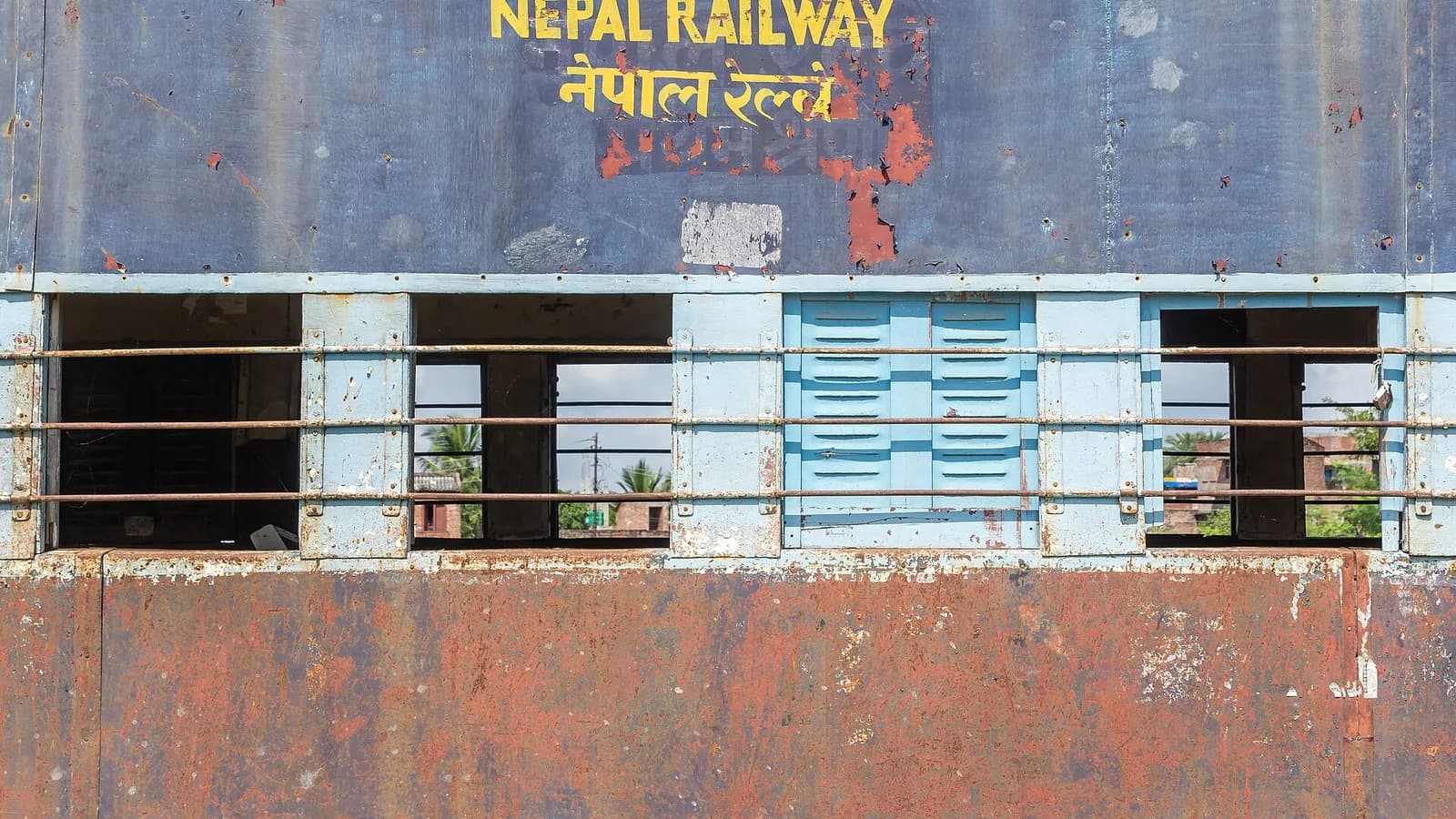
If you spend any time reading about Nepal — addresses, news reports, trekking permits, travel logistics — you will keep running into one word: the district. Nepal's 77 districts are the country's core administrative building blocks, the layer that pins down exactly where a place is. They sit beneath the seven provinces and above the local governments, and learning how they work gives you a clean mental map of the country. This guide explains what a district is, how the 77 are organised, which are the biggest, smallest and most crowded, and why any of it matters for a trip. It pairs naturally with our guide to Nepal's 7 provinces and the data-rich explore districts page, which lists every one.
Key takeaways
- Nepal has 77 districts, grouped beneath the 7 provinces and above 753 local governments.
- The count rose from 75 to 77 when Nawalparasi and Rukum were each split across new provincial boundaries at federalisation.
- Each district has a headquarters and groups together municipalities and rural municipalities.
- Dolpa is the largest by area (~7,889 km²); Bhaktapur is the smallest (~119 km²).
- Kathmandu has the largest population (around 2 million in the 2021 census).
- For travellers, the district is mostly useful as orientation — it tells you which province and region a place sits in.
What a district actually is
Nepal's government is built in three tiers, and the district is the one in the middle:
- Provinces (7) — the top federal tier, created by the 2015 constitution, each with its own assembly and chief minister.
- Districts (77) — the middle administrative layer, each with a headquarters town and a coordinating role.
- Local governments (753) — the bottom tier that handles day-to-day services: a mix of metropolitan cities, sub-metropolitan cities, municipalities and rural municipalities.
A district, then, is an administrative container. It groups together a cluster of local governments under a shared headquarters and sits within a single province. When a Nepali tells you a village is "in such-and-such district," they are giving you the key piece of geographic shorthand — the unit that locates a place precisely and tells you which province and region it belongs to. For the full federal structure and how the provinces came to be, see our Nepal provinces guide.
Why there are exactly 77
For most of modern Nepal's history there were 75 districts, a number so familiar it became a kind of shorthand for "the whole country." That changed with federalism. When the 2015 constitution carved Nepal into seven provinces, two districts straddled the new provincial boundaries and were split in two so that no district sat in more than one province:
- Nawalparasi was divided into an eastern and a western district.
- Rukum was divided into an eastern and a western district.
Those two splits took the total from 75 to 77, which is the figure you will see today. It is a small but telling detail: the districts were reshaped to fit the new provincial map, a reminder that this layer of geography is administrative and has been redrawn within living memory. The 2021 census — Nepal's first under the federal system — counted the country across these 7 provinces, 77 districts and 753 local levels.
The biggest, the smallest and the most crowded
The 77 districts are wildly uneven, and the extremes capture Nepal's geography in miniature — empty high mountains in the north, dense valleys and plains elsewhere.
| Superlative | District | Why it stands out | |---|---|---| | Largest by area | Dolpa | ~7,889 km² of remote, high-altitude north-west | | Smallest by area | Bhaktapur | ~119 km², a tiny heritage district in the Kathmandu Valley | | Largest population | Kathmandu | ~2 million people; the capital and most urbanised district |
A few of these deserve a closer look.
Dolpa — vast and empty
Dolpa, tucked into the remote mountainous north-west, is Nepal's largest district by area at roughly 7,889 square kilometres — yet one of its most thinly populated, a landscape of high passes, deep valleys and part of Shey Phoksundo National Park. It is the kind of country that draws adventurous trekkers precisely because so few people live there; our guides to the Upper Dolpo trek and the wider Dolpo region explore it.
Bhaktapur — tiny but mighty
At the other extreme, Bhaktapur in the Kathmandu Valley is the smallest district at about 119 square kilometres. Size is no measure of significance here: Bhaktapur is densely populated and packed with heritage, from its celebrated Durbar Square to its Newar old town. It is one of the easiest and most rewarding day trips from the capital — see our Bhaktapur day trip guide.
Kathmandu — the crowded heart
Kathmandu district holds the largest population, around 2 million people in the 2021 census, concentrated in and around the capital. It is by far the most urbanised and densely settled district, the political and economic core of the country. Most visitors begin here; our overview of Kathmandu and things to do in Kathmandu are good starting points.
How the districts spread across the provinces
Because each district belongs to exactly one province, the 77 are distributed across the seven federal states — and the way they cluster reflects Nepal's geography. The point is not to memorise which district sits in which province, but to grasp the logic: most provinces run as vertical strips from the high Himalaya in the north to the Terai plains in the south, so a single province typically contains a mix of mountain, hill and lowland districts.
That vertical layout means the districts within one province can be strikingly different from one another — a high, snowbound mountain district and a hot, flat plains district can share the same province. The explore districts page maps all 77 to their provinces and is the quickest way to see how they fit together; for the provinces themselves and what each is known for, our Nepal provinces guide tells the story behind the map.
The three belts every district sits in
There is an older, physical way Nepalis describe their country that cuts across the administrative map: three horizontal belts running east to west across the whole nation. Every district falls mainly into one of them, which instantly tells you a lot about its climate and character:
- Himal (high mountains) — the snow-covered north, home to the eight-thousanders and high trekking valleys. Districts here, like Dolpa, are sparsely populated and bitterly cold in winter.
- Pahad (middle hills) — the temperate hill country where most Nepalis live, terraced for farming and dotted with towns. Kathmandu and Pokhara both sit in this belt.
- Terai (southern plains) — the flat, fertile, subtropical lowland along the Indian border, Nepal's agricultural engine and most densely settled zone.
So when you learn that a place is in a particular district, knowing which belt that district occupies tells you roughly what to expect — thin mountain air, temperate hills, or steamy plains. It also shapes the season you should visit in, which differs sharply between the snowy Himal and the warm Terai; our best time to visit Nepal guide walks through the timing.
Why districts matter for a trip
You will rarely plan your holiday around a district by name — travellers think in terms of Kathmandu, Pokhara, the Annapurnas or Everest. But the district is quietly useful in several practical ways:
- Orientation. A place is identified by its district, and the district tells you which province and region — and therefore which belt and climate — you are dealing with.
- Permits and paperwork. Trekking permits, restricted-area rules and official documents are often defined by district, so the name turns up when you arrange logistics; see our Nepal trekking permits overview.
- News and safety. Reports of weather, road conditions or events are usually pinned to a district, so recognising the name helps you place a story on the map.
- Reading addresses. Nepali addresses lead with the district, so it is the first thing to look for when you are working out where something is.
In short, the district is the locating layer of Nepal. Learn the concept — 77 districts beneath 7 provinces, above 753 local governments — and the country's geography clicks into place.
The bottom line
Nepal's 77 districts are the middle tier of a three-level federal structure: beneath the seven provinces, above the 753 local governments, each with its own headquarters and a job of locating every place in the country. They range from vast, empty Dolpa in the high north-west to tiny, heritage-packed Bhaktapur in the valley, and from the two-million-strong Kathmandu district to remote mountain districts with a few thousand residents. For a traveller, you do not need to memorise them — but understanding what a district is, and which province and belt it sits in, gives you a clean, confident map of Nepal in your head. Dig into the full list at explore districts, and read the story of the provinces above them in our Nepal provinces guide.
Sources
Frequently asked questions
- How many districts are there in Nepal?
- Nepal has 77 districts, grouped beneath the country's 7 provinces. The number rose from 75 to 77 when two districts, Nawalparasi and Rukum, were each split across new provincial boundaries during the move to federalism.
- What is a district in Nepal?
- A district is the middle tier of Nepal's administration, sitting between the 7 provinces above and the 753 local governments below. Each district has a headquarters town and groups together several municipalities and rural municipalities.
- Which is the largest district in Nepal by area?
- Dolpa, in the remote mountainous north-west, is the largest district by area at roughly 7,889 square kilometres. It is sparsely populated, high-altitude country and home to part of Shey Phoksundo National Park.
- Which is the smallest district in Nepal?
- Bhaktapur, in the Kathmandu Valley, is the smallest district by area at about 119 square kilometres. Despite its tiny size it is densely populated and rich in heritage, including its famous Durbar Square.
- Which district has the largest population in Nepal?
- Kathmandu district has the largest population, with roughly 2 million people in the 2021 census. It contains the capital and is by far the most densely settled and urbanised district in the country.
- How do districts relate to provinces in Nepal?
- Each of Nepal's 77 districts belongs to one of the 7 provinces. The province is the top federal tier, the district is the middle administrative layer, and below the district sit the local municipalities and rural municipalities.
Related posts
Nepal Provinces: A Guide to the 7 Federal States
Nepal's provinces explained: the 7 federal states from the 2015 constitution — Koshi, Bagmati, Gandaki, Lumbini and more, and what each is known for.
Read postNepal's Capital: Kathmandu Quick Facts & Visitor Guide
Nepal's capital is Kathmandu, the country's largest city in a Himalayan valley. Quick facts on population, elevation, history and what to see, explained.
Read postNepal Map Explained: Provinces, Regions and Highlights
A Nepal map made simple: the seven provinces and their capitals, the three geographic belts, and the highlights to look for when reading a map of Nepal.
Read post