Luxury Hotels in Nepal: A Traveller's Guide
A guide to luxury hotels in Nepal, from Newari heritage palaces in Kathmandu to mountain lodges in Pokhara and jungle villas in Chitwan.
In Nepal, the finest rooms come with a Himalaya out the window.
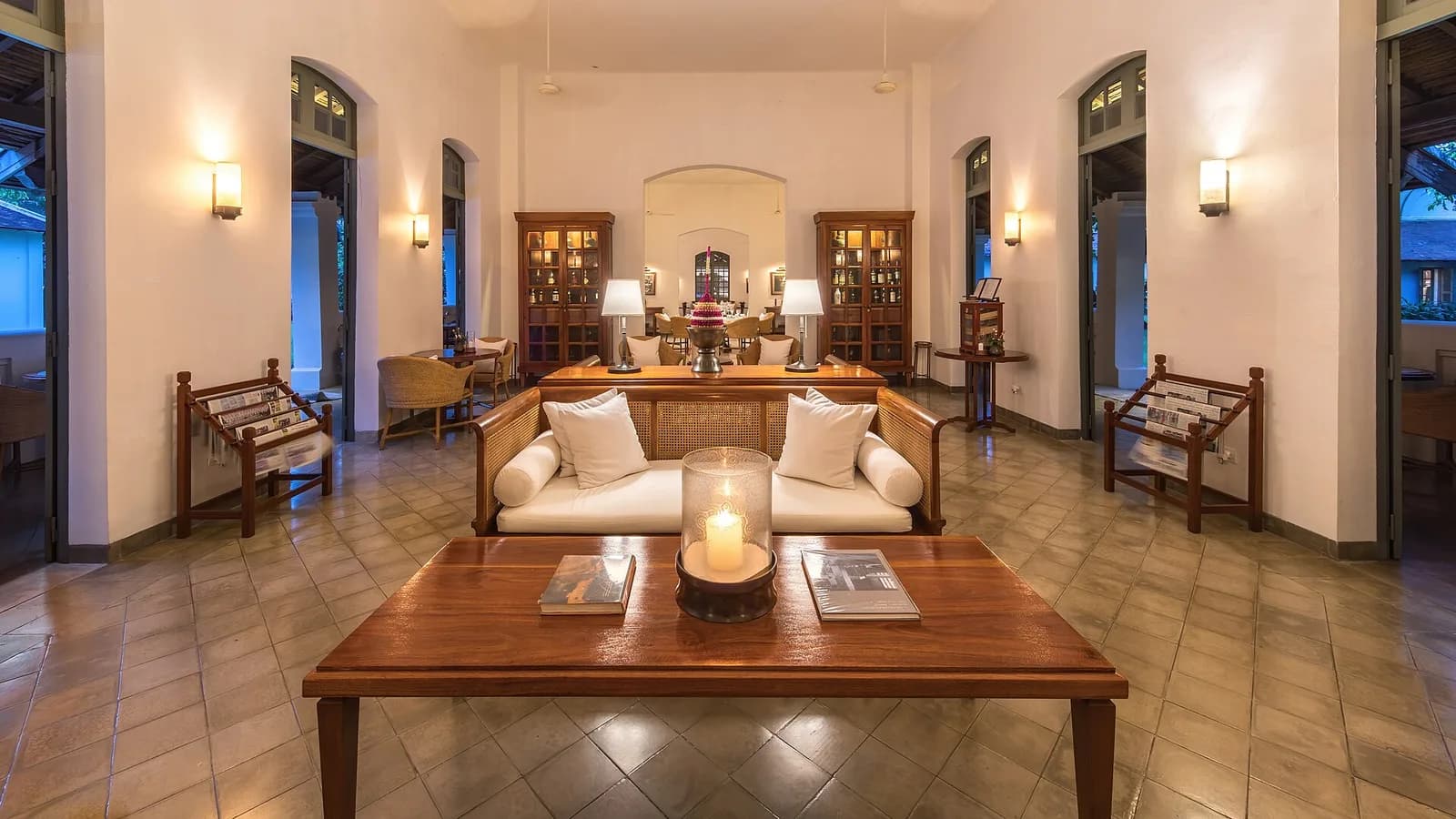
Nepal is best known for budget teahouses and backpacker guesthouses, but the country also has a quietly impressive collection of luxury hotels. From Newari heritage palaces in old Kathmandu to hilltop lodges with Annapurna views and jungle villas beside a tiger reserve, the upper end of Nepal's hospitality scene rewards travellers who want comfort without losing the sense of place. This guide walks through the main types of luxury hotels in Nepal, where they cluster, and how to choose one that matches your trip.
Key takeaways
- Nepal has a small but distinct group of officially recognised luxury and five-star hotels, concentrated in the Kathmandu Valley, Pokhara, Chitwan and the Lumbini area.
- The most characterful stays are heritage hotels in Kathmandu, mountain-view lodges around Pokhara, and safari lodges in Chitwan.
- Many top properties are small, so book early, especially for the clear-sky autumn and spring seasons.
- Luxury in Nepal often means craftsmanship, food and setting rather than skyscraper scale.
- Expect to pair a city hotel with a lodge or resort if you want both culture and nature on one trip.
What "luxury" means in Nepal
In Nepal, the word "luxury" covers a wider range than a simple star rating suggests. The Hotel Association Nepal and tourism authorities maintain a list of star-rated and deluxe hotels, and according to industry guides only a few dozen properties nationwide carry official five-star or top-tier "luxury" recognition, with most concentrated in the Kathmandu Valley, Pokhara, the Lumbini and Bhairahawa belt, and a handful of other cities.
Alongside those formally rated hotels sits a second category that many travellers actually prefer: boutique heritage houses and remote eco-lodges. These are often smaller than a conventional five-star tower, but they deliver comparable service, cuisine and exclusivity, plus a much stronger sense of place. When planning a high-end trip, it helps to think in terms of experience rather than star count.
Three broad styles
| Style | Typical setting | What you get | | --- | --- | --- | | Heritage hotel | Kathmandu Valley | Traditional architecture, courtyards, cultural immersion | | Mountain lodge | Hills above Pokhara | Himalayan views, eco-design, quiet retreat | | Safari lodge | Chitwan lowlands | Jungle villas, wildlife, naturalist guides |
If this is your first trip, it is worth reading our broader overview of where to stay in Kathmandu before committing, since neighbourhood matters as much as the hotel itself.
Heritage luxury in Kathmandu
Kathmandu is the heart of Nepal's heritage-hotel scene, and the most celebrated example is The Dwarika's, in the Battisputali neighbourhood. The hotel is a collection of traditional Newari houses arranged around courtyards, and it grew from a personal preservation project: in the 1950s, founder Dwarika Das Shrestha began rescuing hand-hewn wooden frames and pillars from the streets of Kathmandu, believing Newari heritage should be lived in rather than lost. Today the property is described as holding one of the largest collections of Newari wood art in the world, with carved elements that the hotel says date back centuries.
That conservation work is not just marketing. The Dwarika's has been recognised with a UNESCO Asia-Pacific Award for Cultural Heritage Conservation for preserving Nepali architectural traditions. Its signature restaurant, Krishnarpan, is known for a long, ceremonial Newari tasting menu served amid traditional masks and earthenware, making dinner itself a cultural experience.
Other Kathmandu Valley options
The valley has more than one luxury name. The Soaltee Kathmandu is one of the country's longest-established large five-star hotels, while Gokarna Forest Resort sits in a quiet forest on the edge of the city and pairs its rooms with wellness facilities. For travellers who want hill calm within easy reach of the capital, Dwarika's also operates a sister sanctuary in the hill town of Dhulikhel, a short drive away. If you are drawn to the area's living culture, our guide to Nepali culture gives useful background before you arrive.
Mountain-view lodges around Pokhara
Pokhara, set beside Phewa Lake with the Annapurna range on the skyline, is Nepal's other luxury hub. The best-known high-end retreat here is Tiger Mountain Pokhara Lodge, perched around 1,000 feet above the valley floor in a rural setting some distance from the lakeside town. Its eighteen rooms are spread across individual bungalows built from local materials in the regional architectural style, and the hilltop position is designed so that rooms face dramatic, varied views of the Dhaulagiri, Annapurna or Manaslu massifs, with the distinctive fishtail peak of Machapuchare prominent on the northern horizon.
The lodge is also a notable sustainability story. National Geographic Adventure has listed it among the world's top eco-lodges, and the property has been invited into National Geographic's collection of unique lodges. It has earned recognised eco-tourism credentials, and grows some of its own salads, herbs and vegetables organically in the lodge gardens. For travellers, that means a luxury stay with a genuinely light footprint.
Lakeside versus hilltop
Pokhara's luxury choices split into two moods. Lakeside hotels put you within walking distance of restaurants, boating and the buzz of the tourist strip, while hilltop lodges trade convenience for silence, stars and uninterrupted mountains. If you prefer to be in the middle of things, our roundup of Pokhara lakeside hotels covers the in-town side, and our general things to do in Pokhara guide helps you fill the days between sunrises.
Jungle luxury in Chitwan
For wildlife, Nepal's high-end answer lies in the southern lowlands at Chitwan National Park, a UNESCO World Heritage site. The standout luxury lodge here is Meghauli Serai, A Taj Safari, set on the banks of the Rapti River overlooking the park. It is reached by a short flight from Kathmandu to Bharatpur airport followed by a road transfer, which keeps the journey easy even though the setting feels remote.
The lodge is a small game reserve in feel, with a limited number of rooms and a set of luxury villas that each come with a private plunge pool and river views, plus a grander suite on the riverbank. Days revolve around nature: canoe trips, bird watching, jeep and walking safaris, and visits to learn about local Tharu culture, all led by trained naturalists. Communal touches such as an infinity pool and a spa beside a lily pond round out the experience. To understand what you might see on a drive, our Chitwan safari guide explains the park's wildlife and rhythms in detail.
Matching a hotel to your trip
The practical question for most travellers is not "which is the single best hotel" but "which combination fits my route". A classic luxury circuit pairs a heritage night or two in Kathmandu with a mountain lodge near Pokhara and, for those with time, a jungle finale in Chitwan. Each leg offers a completely different texture, and the contrast is part of the appeal.
A sample luxury route
| Stage | Base | Focus | | --- | --- | --- | | Arrival and culture | Kathmandu Valley | Heritage architecture, food, temples | | Mountains | Pokhara hills | Himalayan views, walks, quiet | | Wildlife | Chitwan | Safaris, river, Tharu culture |
Couples planning something special should also look at our Nepal honeymoon guide, which weaves several of these properties into a romantic itinerary. Trekkers who want a softer version of the trail, with better beds and hot showers, may prefer our notes on luxury trekking in Nepal.
When to go and how to book
Timing matters more for a luxury mountain stay than almost anywhere else, because the views you are paying for depend on clear skies. The most reliable windows are autumn, roughly October to November, and spring, roughly March to April, when haze is lowest and peaks are sharp. Our best time to visit Nepal guide breaks the seasons down month by month.
Because the finest properties are small, demand outstrips supply in those peak windows, so reserve well ahead, particularly for hilltop and jungle lodges with only a handful of rooms. Established five-star and boutique hotels generally accept major credit cards, but carry some Nepali rupees for tips and incidental spending; our overview of tipping in Nepal explains local norms so you are not caught out at checkout.
Practical tips for a luxury stay
- Treat transfers as part of the experience: some lodges involve a short domestic flight or a scenic drive, so build buffer time around weather.
- Ask what is included; many lodges bundle meals, guided activities and park fees, which changes how the headline rate compares.
- Pack a warm layer even in luxury, as hill and jungle evenings can be cool and rooms may be designed to stay open to the air.
- Combine styles rather than repeating one; the heritage, mountain and jungle properties each show a different side of Nepal.
- Confirm road and flight conditions in advance during the monsoon months, when the lowlands and some hill routes can be affected.
Luxury travel in Nepal is less about marble lobbies and more about waking up inside a carved courtyard, on a ridge facing the Annapurnas, or beside a river where rhinos come to drink. Choose for setting and story, book early for the clear seasons, and the country's small luxury scene delivers something most big-city five-stars cannot.
Sources
Frequently asked questions
- What counts as a luxury hotel in Nepal?
- Nepal's tourism authorities classify a small group of properties as five-star or 'deluxe', and these sit alongside boutique heritage hotels and remote eco-lodges that offer comparable service, food and exclusivity even when they are smaller.
- Where are most of Nepal's luxury hotels located?
- The biggest cluster is in the Kathmandu Valley, with strong options in Pokhara, the Chitwan jungle, Dhulikhel and the Lumbini and Bhairahawa area near the Buddha's birthplace.
- Is Dwarika's Hotel really historic?
- Yes. It is built around rescued hand-carved Newari woodwork, some elements dating back centuries, and it has received a UNESCO Asia-Pacific heritage conservation award for that preservation work.
- Can I see the Himalayas from a luxury hotel?
- Yes. Hilltop lodges above Pokhara are designed so rooms face peaks such as Annapurna, Dhaulagiri, Manaslu and the fishtail summit of Machapuchare on clear days, mainly in the autumn and spring seasons.
- Are there luxury options for a jungle safari?
- Yes. Chitwan National Park has high-end lodges with private villas, plunge pools and naturalist-led safaris on the edge of a UNESCO World Heritage wildlife reserve.
- When should I book a luxury stay in Nepal?
- Aim for the clear-skied months of October to November and March to April for mountain views, and book well ahead because the best rooms are limited and fill quickly in those peak windows.
- Do luxury hotels in Nepal accept cards?
- Established five-star and boutique hotels generally accept major credit cards, though it is still wise to carry some Nepali rupees for tips and small purchases outside the hotel.
Related posts
Best Hotels in Nepal: A Guide by Region and Budget
How to find the best hotels in Nepal: star ratings, heritage stays, jungle lodges, and what a room costs in Kathmandu, Pokhara, and on the trail.
Read postNepal Itinerary 7 Days: Kathmandu, Pokhara & Chitwan
A practical Nepal itinerary for 7 days covering Kathmandu, Pokhara, and Chitwan, with transport, costs, and the logistics that connect them.
Read postAccessible Travel Nepal: Wheelchair & Disability Guide
Accessible travel in Nepal for wheelchair users and travellers with disabilities: what works, what's hard, specialist operators and how to plan a trip.
Read post