How Many Days Is the Everest Base Camp Trek?
How many days is the Everest Base Camp trek? The honest answer: 12 on the trail, 14 door-to-door, with shorter heli and longer Gokyo options compared.
The number on the brochure isn't the number that matters — it's how many of those days your lungs get to rest.
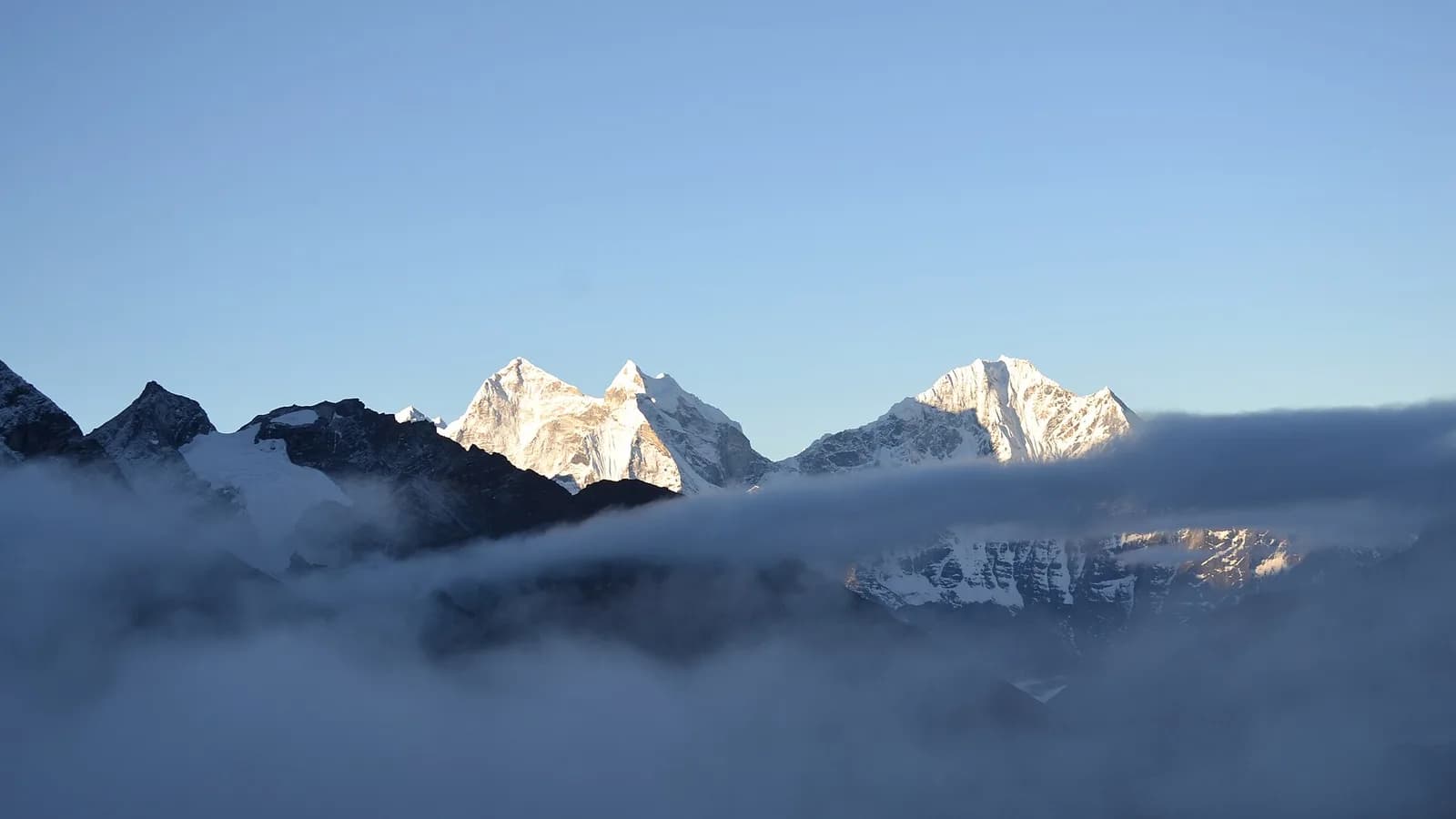
If you are planning a trip to the Khumbu, the first practical question is almost always the same: how many days is the Everest Base Camp trek? The short answer is about 12 days of walking from Lukla and back, or roughly 13 to 16 days door-to-door from Kathmandu once you add buffer days for the famously unreliable Lukla flight. But that single number hides a lot of choices — a helicopter return can shrink the trip, side trips to Gokyo can stretch it, and the rest days that pad the schedule are not optional padding at all.
This guide breaks the duration down honestly: where the days go, why the walk takes nearly two weeks despite covering only about 130 km, and how the shorter and longer versions compare. Figures here are drawn from official and established trekking sources (linked at the end), but mountain logistics change every season — treat any number as a planning starting point and confirm the current position before you book.
Key takeaways
- The classic trek is ~12 days from Lukla and back, including two acclimatization days; door-to-door packages usually run 13–16 days.
- The extra time exists for altitude, not distance — above 3,000 m your sleeping height should rise only ~300–400 m per day.
- A helicopter return can shorten the trip to roughly 9–12 days, but trimming rest days raises altitude-sickness risk.
- Adding Gokyo Lakes (~15 days) or the Three Passes circuit (~17–20 days) lengthens the trip and spreads the climb over more days.
- Always add 1–2 buffer days for the Lukla flight, which is morning-only and often delayed or cancelled.
- Being fitter does not let you finish faster — acclimatization sets the pace, and rushing is the main reason people turn back.
The short answer, by trip style
Different sources quote slightly different totals because they count different things — walking days only, or the full trip from the moment you land in Kathmandu. Here is how the common versions stack up.
| Trip style | Typical duration | What it includes | |---|---|---| | Walking days only (Lukla to Lukla) | ~12 days | 10–11 walking days plus 2 acclimatization days | | Standard guided package | ~13–16 days | The 12-day trek plus Kathmandu and buffer days | | Helicopter return | ~9–12 days | Walk up, fly out from Gorak Shep area, skip the walk down | | With Gokyo Lakes | ~15 days | Adds the Gokyo valley and Cho La pass | | Three Passes circuit | ~17–20 days | Links Gokyo, Base Camp and three high passes |
The 12-day figure is the one most operators mean when they say "the Everest Base Camp trek," and it is the version our day-by-day Everest Base Camp trek itinerary walks through stage by stage. Everything else on this page is a variation on that spine.
Why it takes nearly two weeks
The round trip from Lukla to Base Camp and back is only about 130 km — roughly 65 km each way. A reasonably fit person could cover that distance in three or four days at sea level. So why does the trek take three times as long?
The answer is altitude. You start at Lukla around 2,845 m and climb to the Kala Patthar viewpoint at roughly 5,545 m, the highest point most trekkers actually stand on. That is well into the zone where the air holds far less oxygen, and your body needs time to make more red blood cells to cope. Climb too fast and you risk acute mountain sickness, which ranges from a nagging headache to a genuine emergency.
The Himalayan Rescue Association's guidance is blunt about the maths: above 3,000 m, your sleeping altitude should be no more than about 300 to 400 m higher than the night before. Base Camp sits thousands of metres above Lukla, so simple arithmetic forces the trip out to more than a week of walking, with rest stops folded in. The days are not slow because the trail is hard. They are slow on purpose.
The "climb high, sleep low" days
On a well-designed itinerary you spend two full days not gaining sleeping altitude at all. These are the acclimatization days, and they are the single most valuable part of the schedule.
- Namche Bazaar (~3,440 m) — the bustling Sherpa trading hub where almost every itinerary pauses on day three. Most people take a short hike up toward the Everest View Hotel and then come back down to sleep.
- Dingboche (~4,410 m) — the second rest stop, usually with an acclimatization hike up the ridge toward Nangkartshang for views of Makalu before descending to sleep.
On both days you "climb high and sleep low," letting your body taste the thinner air without committing to it overnight. Skipping these is the classic mistake, and it is covered in more detail in our guide to altitude sickness on Nepal treks.
The classic 12-day breakdown
Here is where the days actually go on the standard route. Walking hours are approximate and vary by lodge and pace.
| Day | Stage | Sleeping altitude | |---|---|---| | 1 | Fly to Lukla, trek to Phakding | ~2,640 m | | 2 | Phakding to Namche Bazaar | ~3,440 m | | 3 | Acclimatization day at Namche | ~3,440 m | | 4 | Namche to Tengboche | ~3,867 m | | 5 | Tengboche to Dingboche | ~4,410 m | | 6 | Acclimatization day at Dingboche | ~4,410 m | | 7 | Dingboche to Lobuche | ~4,940 m | | 8 | Lobuche to Gorak Shep and Base Camp | ~5,170 m | | 9 | Kala Patthar at dawn, descend to Pheriche | ~4,240 m | | 10 | Pheriche to Namche Bazaar | ~3,440 m | | 11 | Namche to Lukla | ~2,840 m | | 12 | Fly Lukla to Kathmandu | — |
Of those twelve days, only days three and six involve no net altitude gain. The descent back down (days 9 to 11) is quick precisely because oxygen returns with every step, which is also why some travellers choose to skip it entirely by helicopter.
Shorter: the helicopter-return options
If your holiday is tight, the most common way to save days is to walk up and fly down. Instead of retracing the three-day descent to Lukla, you take a helicopter from the Gorak Shep or Pheriche area back toward Kathmandu. Operators advertise these heli-return trips at roughly 9 to 12 days, with the shortest realistic versions around 9 to 10.
The trade-offs are worth understanding before you book:
- You keep the climb, you cut the walk-out. The ascent is where acclimatization happens, so a well-run heli trip still includes the two rest days — it only removes the easy descent.
- It is more expensive. A helicopter seat costs far more than walking, and prices vary by season and group size, so confirm current figures with operators (and see our Everest helicopter tour overview for context).
- The shortest schedules cut corners. Itineraries that also drop acclimatization days to hit a 7-day total raise the odds of altitude sickness and a forced turnaround. Saving days by skipping rest is the wrong day to save.
For travellers who want the views without the full two weeks, there is also the shorter, lower Everest View trek, which turns around well before Base Camp.
Longer: Gokyo and the Three Passes
At the other end, plenty of trekkers want more mountain for their flight in, and the Khumbu rewards extra days generously.
Adding Gokyo Lakes (~15 days)
Routing via the turquoise Gokyo Lakes and the Cho La pass typically adds a few days, bringing the trip to around 15 days. You get the Gokyo Ri viewpoint and a quieter valley, and the longer schedule actually spreads your altitude gain across more time — often making the trip safer, not just bigger.
The full Three Passes circuit (~17–20 days)
The most comprehensive version links Gokyo, Base Camp and three high passes — Kongma La, Cho La and Renjo La — into one loop of roughly 17 to 20 days, covering about 136 km. It is a serious undertaking with several days above 5,000 m, and it suits experienced, well-acclimatized walkers. Our Everest Three High Passes guide covers what that circuit involves.
| Variant | Typical days | Best for | |---|---|---| | Classic out-and-back | ~12 | First-timers, limited time | | Heli return | ~9–12 | Tight schedules, bigger budget | | Gokyo add-on | ~15 | More scenery, gentler altitude curve | | Three Passes | ~17–20 | Experienced, fit trekkers |
Don't forget the Lukla buffer days
However many days the trek itself takes, you should add at least one spare day, ideally two, for the flight in and out of Lukla. This is not over-caution. Lukla's airstrip is short and sits high, so flights operate in the morning only, before cloud and wind build over the mountains. Delays and cancellations are routine, and reporting from trekking operators suggests a meaningful share of peak-season flights are disrupted, with a single bad-weather day creating a backlog of stranded trekkers.
A few practical points that affect your day count:
- Peak-season reroute. In the busy spring and autumn windows, flights often shift from Kathmandu to Ramechhap (Manthali) to ease congestion. That means an early pre-dawn road transfer of several hours before you even reach the airstrip.
- Never book a tight onward connection. If your international flight leaves the day after you are due back in Kathmandu, a single delayed Lukla flight can ruin it.
- A buffer day is rarely wasted. If the weather cooperates, you spend it resting in Kathmandu; if it does not, you will be very glad it is there.
For the wider context of getting around the country between treks, see our overview of domestic flights in Nepal.
So, how many days should you book?
There is no single right answer, but a sensible default for most first-time trekkers looks like this:
- Two weeks is the comfortable target. A 12-day trek plus a buffer day at each end gives you the full classic route with room for a Lukla delay.
- Keep both acclimatization days, whatever you do. They are the cheapest insurance against turning back, and cutting them is the most common reason people fail to reach Base Camp.
- Only go shorter if you fly out. A helicopter return is the legitimate way to save days; deleting rest days is not.
- Go longer if you can. Extra days via Gokyo or the passes are some of the best-spent time in the Khumbu, and they make the altitude easier, not harder.
Whichever length you choose, remember the core principle: the day count is set by your lungs, not your legs. Plan around the altitude, give yourself the rest days, and the famous walk to the foot of Everest is well within reach of an ordinary, patient traveller.
Sources
- Himalayan Rescue Association — Altitude and acclimatization
- CDC Yellow Book — High-Altitude Travel and Altitude Illness
- Earth Trekkers — Everest Base Camp Trek Itinerary: A Day-By-Day Guide
- Discovery World Trekking — Everest Base Camp Trek 12 Days
- Ace the Himalaya — Everest Base Camp Trek with Helicopter Return (12 Days)
- Discovery World Trekking — Everest Base Camp, Cho La Pass and Gokyo Trek (15 Days)
- Nepal Guide Trekking — Lukla Flight Guide 2026/27
Frequently asked questions
- How many days is the Everest Base Camp trek?
- The classic trek is about 12 days walking from Lukla and back, of which two are dedicated acclimatization stops. Add a buffer day at each end in Kathmandu for the Lukla flight and most commercial packages run 13 to 16 days door to door.
- What is the shortest Everest Base Camp trek?
- With a helicopter return that skips the long walk out, operators run itineraries of roughly 7 to 12 days. The shortest realistic options are around 9 to 10 days, but cutting acclimatization time raises the risk of altitude sickness, so the very shortest schedules are not recommended for most people.
- Why does the trek take almost two weeks for such a short distance?
- The round trip is only about 130 km, which a fit walker could cover in a few days at sea level. The extra time exists entirely for altitude: above 3,000 m your sleeping height should rise slowly, so the itinerary deliberately includes rest days and short walking stages so your body can adjust.
- How many acclimatization days are built into the trek?
- The standard itinerary has two: one at Namche Bazaar around 3,440 m and one at Dingboche around 4,410 m. On both days you climb a little higher during the day and then come back down to sleep, which is the safest way to gain altitude.
- Can you do Everest Base Camp in 10 days or less?
- Yes, but usually only by flying out by helicopter rather than walking back, and even then 10 days is tight. Removing rest days to save time is the main reason trekkers get altitude sickness and have to turn around, so most operators keep at least the two acclimatization stops.
- How many days should I add for the Lukla flight?
- Build in at least one spare day, ideally two, because the short Lukla airstrip is morning-only and flights are frequently delayed or cancelled by cloud and wind. In peak season flights often run from Ramechhap (Manthali) instead of Kathmandu, which adds an early road transfer.
- How many days is the Gokyo Lakes or Three Passes version?
- Adding the Gokyo Lakes typically pushes the trip to around 15 days, and the full Three Passes circuit that links Gokyo and Base Camp usually runs about 17 to 20 days. These are longer and harder but spread the altitude gain over more time.
- Does being fitter let me finish in fewer days?
- Not really. Fitness helps you enjoy the walking, but it does not speed up acclimatization, which is what sets the schedule. A very fit trekker who rushes is just as likely to get altitude sickness, so the day count is driven by altitude rather than your cardio.
Related posts
EBC Trek by Road: Reach Everest Base Camp Without Flying
How to do the EBC trek by road — driving Kathmandu to Salleri, Phaplu or Surke by jeep, then walking to Everest Base Camp. Routes, costs, days and seasons.
Read postEBC Trek: What 'EBC' Means & Quick Orientation
Confused by 'EBC trek'? Here is what EBC means, how high it is, what it costs, and the season, permit and Lukla basics for the Everest Base Camp trek.
Read postEverest Base Camp Trek: A Complete 2026 Guide
Plan the Everest Base Camp trek with this 2026 guide to routes, permits, seasons, altitude, costs, fitness, and the Lukla flight — all in plain English.
Read post