Gyirong Kerung Border: Nepal–Tibet Crossing Guide
How the Gyirong Kerung border works for travellers: the Rasuwagadhi crossing, permits, the 2025 flood closure, and what reopening in 2026 means.
One canyon, two countries, and the only land door left open between Nepal and Tibet.
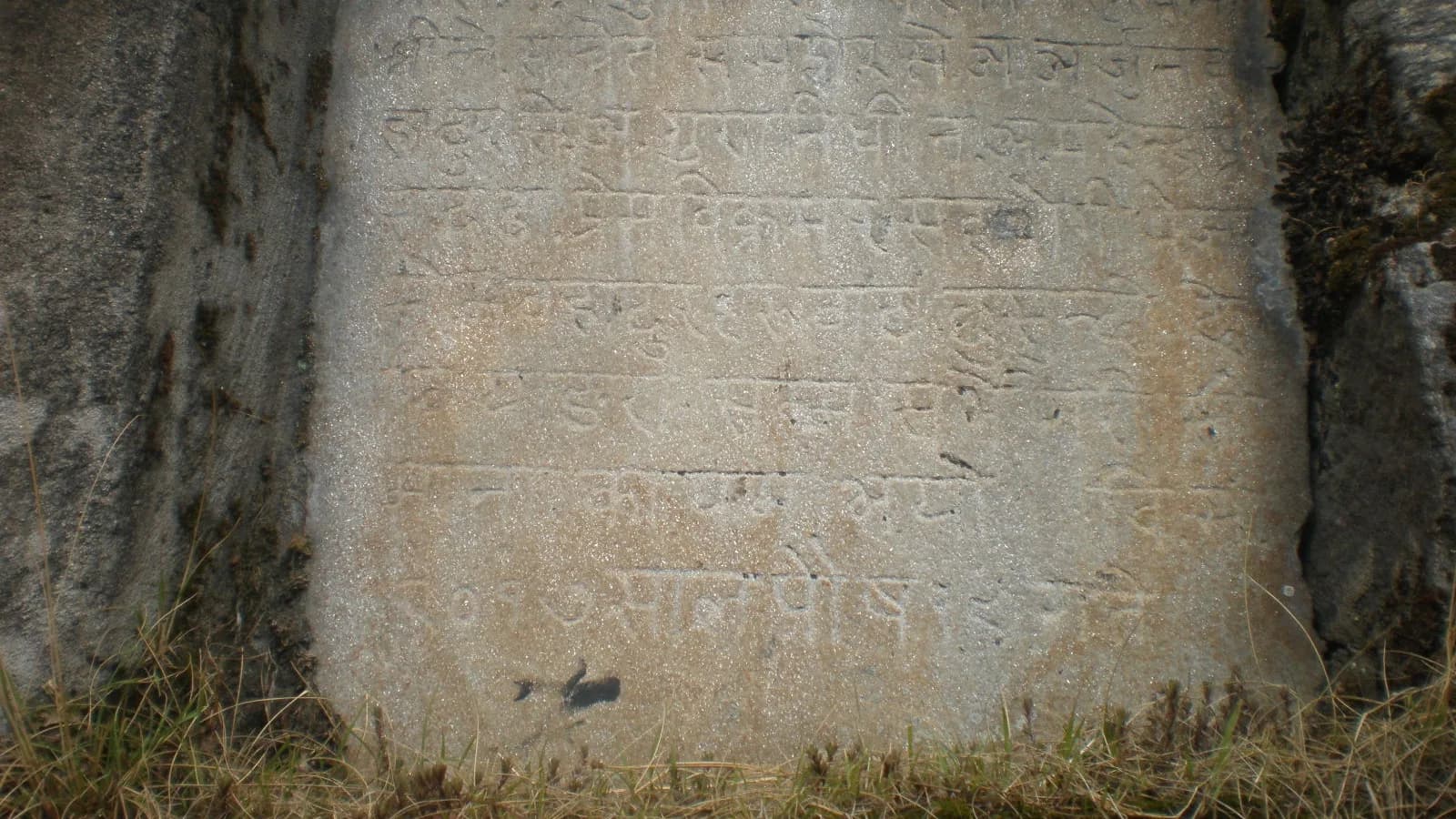
The Gyirong Kerung border is the single overland door left open between Nepal and Tibet, and for most travellers it is the only practical way to cross by land. It sits in a steep river canyon in Rasuwa district, where Nepal's Rasuwagadhi immigration post faces China's Gyirong port — written in Nepal as "Kerung" — on the far bank. After the old Kodari–Zhangmu route was abandoned following the 2015 earthquake, this once-minor post became the primary gateway for overland trade and tourism between the two countries.
This guide explains where the Gyirong Kerung border is, how the crossing actually works, what permits you need, and why 2025 was such a disrupted year here. It is written for trekkers, Kailash Mansarovar pilgrims, and curious travellers planning an overland Nepal–Tibet journey. Nothing here replaces advice from a licensed operator; rules and conditions at this border change quickly.
Key takeaways
- The Gyirong Kerung crossing in Rasuwa district is the only operational land border between Nepal and Tibet.
- Independent crossing is not allowed: you must travel with a licensed Tibet tour operator who arranges permits, a guide and transport.
- You need a China group visa issued in Kathmandu plus a Tibet Travel Permit — a normal individual China visa does not work for entry from Nepal.
- A July 2025 flood destroyed the Miteri bridge at Kerung and closed the border for about six months.
- A temporary Bailey bridge reopened the post in late December 2025, with the Chinese side citing 1 January 2026 as the official reopening.
- It is the main overland gateway for Kailash Mansarovar Yatra groups and a popular start point for Lhasa-bound overland trips.
Two names, one crossing
The confusion around this border starts with its names. The Chinese side is officially Gyirong, also spelled Kyirong, sKyid Grong or Jilong; Nepalis usually call it Kerung. On the Nepal side, the immigration post is Rasuwagadhi, named for an old fort, and the nearest Nepali town is Timure, just below it. So "Rasuwagadhi–Kerung" and "Gyirong–Rasuwagadhi" describe the same canyon checkpoint from opposite banks.
There are two distinct places on the Chinese side that share the Gyirong name. Gyirong port is the border checkpoint down in the gorge at roughly 1,800–1,850 metres. Gyirong town (Kyirong) is a separate settlement higher up the valley at around 2,600–2,700 metres, about 24–25 kilometres inside Tibet, where most overland groups spend their first night to begin acclimatising. Keeping the two apart matters when you read itineraries.
Geography at a glance
| Place | Side | Approx. elevation | | --- | --- | --- | | Rasuwagadhi / Timure | Nepal | ~1,800 m | | Gyirong (Kerung) port | China (Tibet) | ~1,800–1,850 m | | Gyirong (Kyirong) town | China (Tibet) | ~2,600–2,700 m | | Lhasa (onward) | China (Tibet) | ~3,650 m |
Elevations are approximate and drawn from operator and reference sources listed below.
Why this became the main gateway
Until 2015, the busiest Nepal–Tibet land crossing was at Kodari, linking to Zhangmu on the Friendship Highway. The Gorkha earthquake that April devastated that route, and it was effectively abandoned for international travel. Attention shifted west to Rasuwagadhi, which China had already been developing, and the Gyirong port was rapidly built up into the primary and sole gateway for overland trade and tourism between the two countries.
For Nepal, this is also a critical commercial artery. It is one of the country's major trade gateways with China, and goods move through Kerung in large volumes — which is exactly why disruptions here ripple far beyond tourism. If you want the wider picture of how Nepal sits between two giant neighbours, see our overviews of Nepal versus Tibet as travel destinations and the broader question of where Nepal is on the map.
The 2025 flood and the long closure
2025 was a hard year for this border. On 8 July 2025, a flash flood on the Lhende river swept away the Miteri bridge at Kerung, one of Nepal's main trade gateways with China. The crossing closed, and it stayed shut for roughly six months. Through late 2025, reporting described the Rasuwagadhi point as remaining closed for months while a new bridge was arranged, with the surrounding Timure area badly damaged by the cross-border flooding.
Movement resumed at the end of December 2025 after a temporary Bailey bridge was installed, bringing the post back into partial operation. The Chinese side indicated the border would officially reopen from 1 January 2026. Even then, access was limited: initially only residents of Rasuwa district were allowed to cross while traders remained barred, leaving hundreds of containers reportedly waiting on the Tibet side.
The practical lesson for travellers is simple. This is a young, flood-prone, single-bridge crossing in a narrow Himalayan gorge. Closures from landslides, floods and monsoon damage are a recurring risk, so build flexibility into any plan and confirm the live status with your operator before you commit to dates. Our piece on the monsoon season in Nepal explains why June to September is the highest-risk window for exactly this kind of disruption.
Who can cross, and how
The most important rule: you cannot show up at Rasuwagadhi as an independent traveller and walk into Tibet. Tibet requires organised group travel, and that applies whether you are a foreigner, a Nepali, or a non-resident Indian. All travellers apply for permits and visas together as a group through a licensed operator in Nepal, who provides the guide, the vehicle and the paperwork.
What you typically need
- China group visa — a single-sheet visa issued in Kathmandu for the whole travelling group. An existing individual Chinese visa cannot be used to enter Tibet from Nepal.
- Tibet Travel Permit — required for all foreign visitors to Tibet, arranged in advance by your operator.
- Alien's Travel Permit and other route permits — needed for restricted areas such as the Kailash region, handled by the operator.
Because the group visa is issued in Kathmandu, overland Tibet trips that start from Nepal almost always begin with a few days in the capital while documents are processed. If Kathmandu is your launch pad, our guides to Thamel and things to do in Kathmandu will help you use that waiting time well.
At the checkpoint
The crossing itself runs through the gorge where the river divides the two countries. On the Nepal side, your passport is checked and stamped for exit at the Rasuwagadhi immigration office, the group is confirmed, and baggage is screened; foreign passport holders have their Nepal visa validity checked before exit. You then proceed to the Gyirong port for Chinese immigration and customs on the far bank. Reported gate hours have been roughly 8am to 3pm Nepal time, with a midday closure on the Chinese side around lunch — but treat any timing as indicative only and let your guide manage the schedule.
Getting to Rasuwagadhi from Kathmandu
The drive north from Kathmandu to Rasuwagadhi is roughly 120–130 kilometres, but distance is misleading here: this is mountain road, and it is usually a long full-day journey rather than a quick hop. The route runs through Syabrubesi — the same trailhead used for the Langtang Valley trek — and then on to Timure just below the border. When the road is in good shape, public buses and jeeps cover it; after floods and during monsoon, sections can be blocked or slow.
Because the approach shares its lower stretch with the Langtang region, it is worth understanding that corner of Nepal. The valley reopened to trekkers after years of rebuilding, and our guide to the Langtang Valley trek a decade after the earthquake covers the same Syabrubesi road you will travel on the way to the border.
Rough road profile
| Leg | Notes | | --- | --- | | Kathmandu → Syabrubesi | Long mountain drive; trailhead for Langtang | | Syabrubesi → Timure | Short final stretch up the gorge | | Timure → Rasuwagadhi | Nepal immigration post at the border | | Rasuwagadhi → Gyirong town | ~24–25 km inside Tibet; first acclimatisation stop |
Kailash Mansarovar and onward to Lhasa
For many travellers, the Gyirong Kerung border is the opening chapter of a Kailash Mansarovar Yatra. It is the main overland gateway that pilgrim groups use to cross from Nepal into Tibet, and the same group-travel and permit rules apply. Solo travel to Kailash via Nepal is not permitted; everyone goes as part of a licensed group.
Others use the crossing for an overland trip toward Lhasa, the Tibetan capital, which sits hundreds of kilometres further on at around 3,650 metres — reference sources cite roughly 820 kilometres between Lhasa and the Gyirong port. Whatever the destination, you are gaining serious altitude quickly once across, which is why the first night in Gyirong town matters. If you are not already familiar with how thin air affects the body, read our primer on altitude sickness in Nepal before you go; the same physiology applies on the Tibetan plateau.
Practical notes and risks
- Confirm the live status. This border has a recent history of sudden, lengthy closures. Verify it is open for your nationality and dates before booking flights.
- Book through a licensed operator. It is not optional. Independent crossing into Tibet is simply not allowed from here.
- Allow buffer days. A blocked road, a delayed permit, or a weather hold can shift a tight schedule. Build slack into both ends.
- Mind the monsoon. June to September brings the highest flood and landslide risk to this gorge — the 2025 disaster struck in July.
- Acclimatise deliberately. The jump from the gorge to the plateau is steep; do not rush the first days inside Tibet.
- Carry the right currency and contacts. Have your operator's emergency numbers, and keep copies of your permits separate from the originals.
The Gyirong Kerung border is remote, beautiful and genuinely useful — but it is also fragile and tightly controlled. Treat it as a crossing that rewards patience and good planning rather than spontaneity, and let a reputable Tibet operator carry the regulatory weight.
Sources
- Rasuwagadhi border opens after six months, traders still barred — The Kathmandu Post
- Rasuwagadhi border point remains closed for three months — The Kathmandu Post
- Movement resumes at Rasuwagadhi Border Crossing after six months — Radio Nepal
- Rasuwagadhi-Kerung border becomes operational — myRepublica
- Timure area ravaged as cross-border flood from China wreaks havoc in Rasuwa — Khabarhub
- Nepal-China Border 101: Understanding the Northern Frontier — Nepal Economic Forum
- Kyirong Town — Wikipedia
- Gyirong Port Introduction — Tibet Discovery
- Kyirong Village: The Gateway Village between Tibet and Nepal — Tibet Travel
- Nepal Tibet Border Crossing at Gyirong: The Ultimate Guide — Tibet Travel
Frequently asked questions
- Where is the Gyirong Kerung border?
- It sits in a Himalayan canyon in Rasuwa district, where Nepal's Rasuwagadhi post faces China's Gyirong (Kerung) port across the river, north of Kathmandu.
- Can independent tourists just walk across into Tibet?
- No. Foreign and Indian travellers cannot cross on their own; you must join a pre-arranged group tour with a licensed Tibet operator that holds your permits, guide and vehicle.
- What documents do I need to enter Tibet from this border?
- Typically a China group visa issued in Kathmandu plus a Tibet Travel Permit, and an Alien's Travel Permit for restricted areas; your operator arranges all of these.
- Is my normal Chinese tourist visa enough?
- No. An existing individual China visa cannot be used to enter Tibet from Nepal; operators issue a separate single-sheet group visa for the whole party.
- Why was the border closed in 2025?
- On 8 July 2025 a flash flood on the Lhende river swept away the Miteri bridge at Kerung, shutting the crossing for roughly six months.
- Is the Gyirong Kerung border open now?
- A temporary Bailey bridge brought it back into partial operation in late December 2025, with the Chinese side citing 1 January 2026 as the official reopening date.
- How far is the border from Kathmandu?
- The road to Rasuwagadhi runs roughly 120 to 130 kilometres north of Kathmandu through Syabrubesi and Timure, usually a long full-day drive.
- Is this the route for Kailash Mansarovar?
- Yes, the Rasuwagadhi Kerung crossing is the main overland gateway used by Kailash Mansarovar Yatra groups travelling from Nepal into Tibet.
Related posts
Overland Tibet to Nepal: The Friendship Highway Guide
Travel overland Tibet to Nepal via the Friendship Highway and Gyirong border — permits, route, altitude, Everest views and 2026 conditions explained.
Read postNepal vs Tibet: Which Himalayan Trip to Choose
Nepal vs Tibet compared on cost, permits, trekking, altitude and culture — an even-handed guide to which side of the Himalaya suits your trip.
Read postTibet Nepal Bhutan Tour: How to Plan All Three
A Tibet Nepal Bhutan tour explained — the route order, permits, visas, the Bhutan SDF, Kathmandu flights and best season to link all three Himalayan lands.
Read post