Gorkha Soldiers: The Place Behind the Gurkha Name
Gorkha or Gurkha? A guide to the Gorkha soldiers — the Nepali kingdom that gave them their name, how Nepal was unified, and why the spellings differ.
Before they were soldiers in foreign armies, the Gorkhas were the hill kingdom that built Nepal itself.
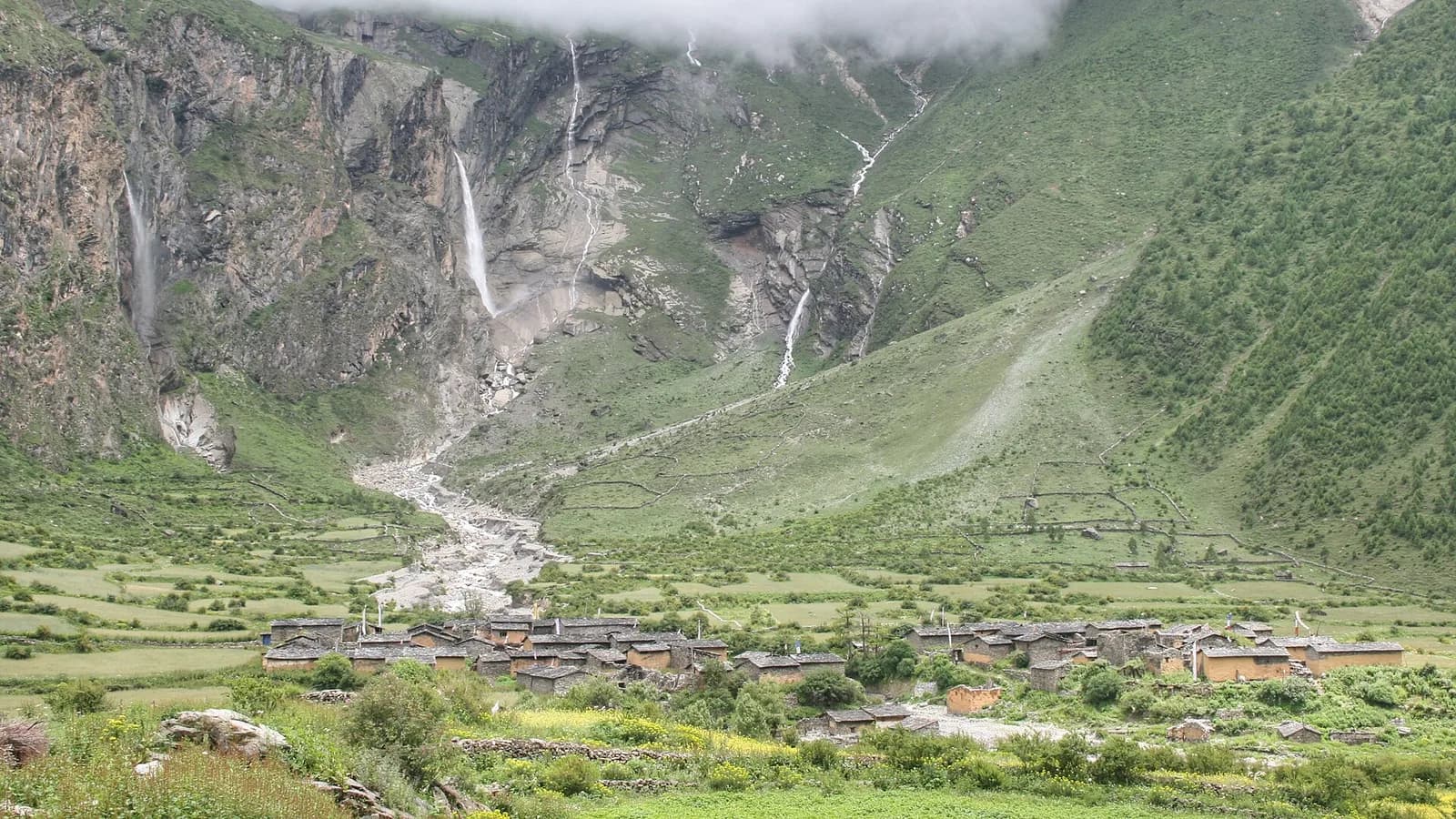
Type the word into a search box and you will see it spelled two ways — Gorkha and Gurkha — and wonder which is right. The short answer is that both are, and the difference points to something many people miss: long before the Gorkha soldiers were famous in foreign armies, Gorkha was a place and a kingdom in Nepal. This is a short companion to our main history of the Gurkha soldiers; here we focus on the homeland behind the name, the unification of Nepal, and the Gorkha-versus-Gurkha confusion.
Key takeaways
- Gorkha is the original Nepali name of a kingdom, town, and district; Gurkha is the anglicised spelling for the soldiers.
- The Gorkha kingdom unified Nepal in the 18th century under King Prithvi Narayan Shah.
- "Gorkha" names a martial tradition tied to a place, not a single ethnic group.
- The Indian Army tends to write Gorkha; the British Army writes Gurkha — same heritage.
- The town of Gorkha and its hilltop Durbar palace can still be visited today.
Gorkha vs Gurkha: the same story, two spellings
Let us settle the spelling first, because it confuses almost everyone. Gorkha is the Nepali form — the name of the hill kingdom, the modern district, and the town at its heart. Gurkha is the anglicised version that entered English largely through the soldiers recruited by the British.
In practice the two spellings have drifted toward different uses:
| Spelling | Typically used for | |---|---| | Gorkha | The kingdom, town, district, and the Indian Army's "Gorkha" regiments | | Gurkha | The soldiers in general, and the British Army's "Brigade of Gurkhas" |
So when you read about Gorkha soldiers and Gurkha soldiers, you are reading about the same tradition. The fuller military history — the wars, the World Wars, the Victoria Crosses, the khukuri, and the famous motto — lives in our main article, Gurkha soldiers: history, the khukuri & legacy. This page is about the place that started it all.
The kingdom that built Nepal
The reason the name matters so much is that Gorkha is, in a real sense, the birthplace of modern Nepal. In the mid-18th century, the small hill kingdom of Gorkha was ruled by King Prithvi Narayan Shah (who reigned roughly 1743–1775). From this modest base he launched an ambitious unification campaign, conquering and absorbing the patchwork of rival principalities — including the wealthy city-states of the Kathmandu Valley — into a single kingdom.
That campaign is the foundation of the country that exists today. The soldiers of this expanding Gorkha state became known as Gorkhas, and it was their formidable performance against the British East India Company in the Anglo-Nepalese War (1814–1816) that launched the global Gurkha legend. The name is often connected, too, with the warrior-saint Guru Gorakhnath, whose devotees the Gorkha rulers claimed to be. For how Nepal came together as a nation, our explainer on whether Nepal is a country gives the wider context.
A name tied to a place, not a single people
Here is the crucial nuance: being a Gorkha is about martial heritage and origin, not membership of one ethnic group. The soldiers of the Gorkha kingdom — and the later recruits who carried the name into the British and Indian armies — came from many of Nepal's hill communities, particularly the Gurung, Magar, Rai, and Limbu peoples, among others.
This is a frequent point of confusion with Nepali identities, and it mirrors the way the word Sherpa is widely misused as a job rather than recognised as a distinct people — something we untangle in our guide to the Sherpa people. With the Gorkhas, the unifying thread is not blood but a shared tradition of service rooted in a single founding kingdom.
Visiting Gorkha today
You can stand where the story began. The town of Gorkha lies in central Nepal, north-west of Kathmandu, set in the green middle hills beneath the Manaslu and Annapurna ranges. It is reachable by road from both Kathmandu and Pokhara, making it a worthwhile cultural stop for travellers interested in Nepal's history rather than just its trekking.
The highlight is the Gorkha Durbar — the old royal palace, temple, and fort complex perched dramatically on a ridge high above the town. From it, on a clear day, the Himalaya unfold across the horizon. The site combines a palace, a sacred Hindu temple, and a hilltop fortress, and it is a place of real reverence as the ancestral seat of Nepal's unifying dynasty. Gorkha appears in our roundup of the best places to visit in Nepal for exactly this reason, and the wider region is a gateway to the celebrated Manaslu Circuit trek.
The blade that carries the name
One emblem ties the kingdom, the soldiers, and the land together: the khukuri. The curved knife that is the symbol of Gurkha and Gorkha regiments worldwide originated in the Gorkha kingdom itself — which is precisely why blade and soldier are inseparable in the popular imagination. It remains both a working tool and a martial icon. If you want to understand the blade in detail, or buy a genuine one to take home, see our khukuri buying guide.
In short
Gorkha and Gurkha are two spellings of one proud story. The soldiers the world admires take their name from a Nepali hill kingdom that, under Prithvi Narayan Shah, forged the modern nation — and you can still visit its hilltop palace today. For the full sweep of the military history, the regiments, and the honours, read our main guide: Gurkha soldiers: history, the khukuri & legacy.
Sources
Frequently asked questions
- Is it Gorkha or Gurkha?
- Both are correct, but they emphasise different things. Gorkha is the original Nepali name of the kingdom, town and district, while Gurkha is the anglicised spelling used mainly for the soldiers. The people and place are usually written Gorkha, the regiments often Gurkha.
- Where is Gorkha?
- Gorkha is a district and town in central Nepal, north-west of Kathmandu, in the hills below the Manaslu and Annapurna ranges. It is home to the historic Gorkha Durbar, the hilltop palace of the kings who unified Nepal.
- Who founded the Gorkha kingdom?
- The Gorkha kingdom rose to prominence under King Prithvi Narayan Shah, who ruled in the mid-18th century and led the campaign that unified Nepal's many small states into a single kingdom from his base at Gorkha.
- Did all Gorkha soldiers come from Gorkha town?
- No. The name refers to the kingdom, not just the town. The soldiers of the expanding Gorkha state, and later recruits, came from many hill communities across Nepal, including the Gurung, Magar, Rai and Limbu peoples.
- Are Gorkha soldiers the same as Gurkhas?
- Yes, they are the same tradition. Gorkha soldiers and Gurkha soldiers refer to the same Nepali fighting heritage, with the Indian Army tending to use Gorkha and the British Army using Gurkha for its regiments.
- Can tourists visit Gorkha?
- Yes. The town of Gorkha is reachable by road from Kathmandu and Pokhara, and the restored Gorkha Durbar palace and temple complex on the ridge above town is the main attraction, with sweeping Himalayan views.
- What weapon are Gorkha soldiers known for?
- The khukuri, a knife with a forward-curving blade, which originated in the Gorkha kingdom and remains the emblem of Gorkha and Gurkha regiments around the world.
- Why is Gorkha important to Nepal?
- Gorkha is regarded as the birthplace of modern Nepal, because it was from this kingdom that Prithvi Narayan Shah launched the 18th-century unification campaign that created the country as it is known today.
Related posts
British Gurkhas: Recruitment, Brigade and Pensions
British Gurkhas explained — how recruitment in Nepal works, the Brigade of Gurkhas, and the long campaign for fair pensions and settlement rights.
Read postGurkha Soldiers: Service, Regiments and Valour
Gurkha soldiers from Nepal explained — their service in the British, Indian and Nepalese armies, the khukuri knife and a reputation for valour.
Read postGurkha Soldiers: History, the Khukuri & Legacy
The history of Gurkha soldiers — from the Anglo-Nepalese War to the British and Indian armies, the khukuri knife, and their famous motto and bravery.
Read post