Manaslu Circuit Trek: Route, Permits & Larkya La Guide
A complete Manaslu Circuit trek guide — the route around the world's 8th-highest peak, Larkya La pass, 2026 restricted-area permits, costs and best season.
A high-pass circuit around the world's eighth-highest mountain, still gloriously uncrowded.
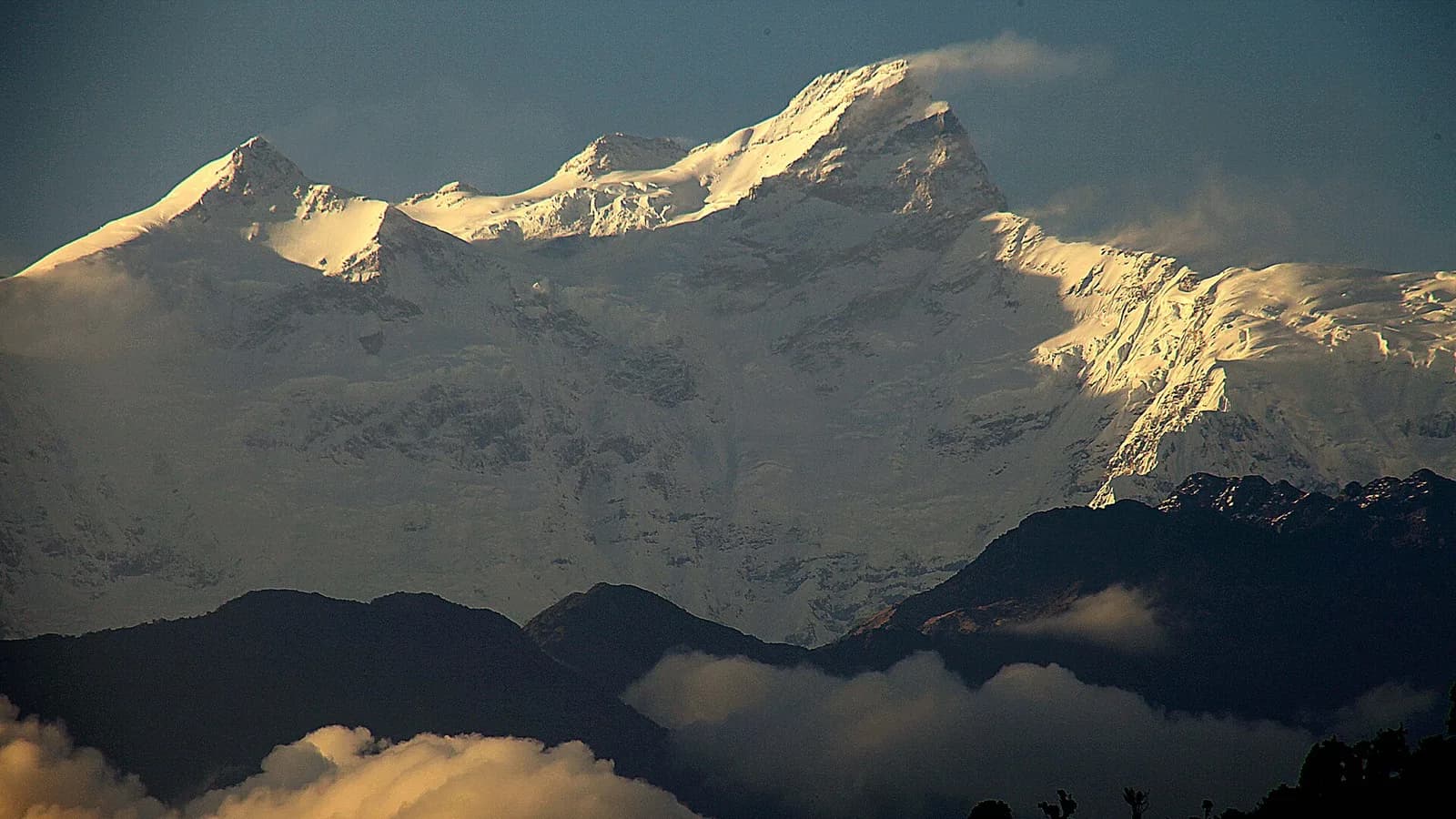
The Manaslu Circuit trek loops around Mount Manaslu (8,163m), the world's eighth-highest mountain, in a remote corner of the Gorkha district north-west of Kathmandu. It packs much of what makes Nepal's great circuits special — a high pass crossing, deep river gorges, Tibetan Buddhist villages, and a giant 8,000m peak looming over the trail — but with a fraction of the crowds you would meet on Annapurna or Everest. It is a restricted-area trek, which keeps numbers low and means there are specific rules and permits to plan around.
This guide walks through the route, the all-important Larkya La pass, the 2026 permit picture, costs, difficulty and the best time to go. If you are still deciding between this and Nepal's other big loop, our Manaslu Circuit vs Annapurna Circuit difficulty comparison digs into that head to head; this article focuses on planning the Manaslu Circuit itself.
Key takeaways
- The Manaslu Circuit is a 12 to 14 day trek (around 14 to 16 days with transfers) around the world's 8th-highest peak.
- Its high point is the Larkya La pass at about 5,106m, crossed on one long, demanding day to Bimthang.
- It is a restricted area: a licensed guide via a registered agency is mandatory, even though individual permits became possible under 2026 rules.
- Three permits are needed — RAP, MCAP and ACAP — with the seasonal RAP being the main cost (around USD 100/week in autumn).
- The upper villages — Lho, Sama Gaun, Samdo — are strongly Tibetan Buddhist in culture.
- Best in autumn (Oct–Nov) or spring (late Mar–May); the monsoon brings landslide risk to the lower gorge.
Why trek the Manaslu Circuit
Manaslu hits a sweet spot. It is wild and quiet like the far-flung treks, yet it has just enough teahouse infrastructure to do without tents on the standard route. The scenery shifts from subtropical river gorge to alpine moraine over the course of the trek, and the cultural arc — from Hindu lowland villages to Tibetan Buddhist high country — is one of the most pronounced of any Nepali trek. Above all, Manaslu itself dominates the second half: from Sama Gaun the mountain fills the northern sky and feels genuinely close.
It is often pitched as "the new Annapurna Circuit," which is partly fair. It shares the loop-and-pass structure but trades comfort and variety for solitude and a more concentrated high-mountain experience. For the full contrast, see our Annapurna Circuit vs Base Camp overview alongside the difficulty comparison linked above.
The route, stage by stage
The classic itinerary climbs the Budhi Gandaki river valley, crosses the Larkya La, and descends to join the Annapurna Circuit trail at Dharapani. Here are the key waypoints and roughly where they sit:
| Stage | Approx. altitude | Notes | | --- | --- | --- | | Soti Khola / Machha Khola | ~700–900m | Road head; trek begins | | Jagat | ~1,340m | Restricted area starts here | | Deng / Namrung | ~1,800–2,630m | Transition into Tibetan villages | | Lho / Shyala | ~3,180–3,575m | Monasteries, first big Manaslu views | | Sama Gaun | ~3,520m | Main acclimatisation hub | | Samdo | ~3,875m | Last major village before the pass | | Dharamsala (Larke Phedi) | ~4,500m | Basic huts below the pass | | Larkya La pass | ~5,106m | Highest point of the trek | | Bimthang | ~3,720m | First stop after the pass | | Dharapani | ~1,960m | Joins the Annapurna Circuit trail |
Plan on 5 to 7 hours of walking most days, with the pass day longer. The lower gorge is steep and, in places, prone to rockfall and landslides; the middle and upper sections are where the trek opens up into classic high-Himalayan terrain.
The Sama Gaun acclimatisation day
Sama Gaun (around 3,520m) is the natural place to spend a rest-and-acclimatise day before the pass. It is a large, culturally rich Tibetan village, and the day is best spent actively but gently with a side hike. Popular options are Manaslu Base Camp, the glacial Birendra Lake, or the Pungyen Gompa monastery. Climbing high and sleeping low here pays dividends on the Larkya La.
Crossing the Larkya La
The Larkya La pass (about 5,106m) is the crux. From the basic huts at Dharamsala, trekkers set out before dawn for an 8-to-10-hour day: a long, gradual climb to the prayer-flag-draped pass, then a steep, knee-testing descent to Bimthang on the far side. The views from the top take in Manaslu, Himlung Himal, Cheo Himal and the edge of the Annapurna range. This day demands clear weather and an early start; in heavy snow the pass can become dangerous or impassable, which is one reason autumn is the favoured season.
Permits and the 2026 rules
Manaslu's restricted status means three permits and a guide. As of June 2026:
- Manaslu Restricted Area Permit (RAP): the seasonal, weekly permit. September–November: roughly USD 100 per person for the first week, plus about USD 15 per extra day. December–August: roughly USD 75 for the first week, plus about USD 10 per extra day.
- Manaslu Conservation Area Permit (MCAP): NPR 3,000 per person.
- Annapurna Conservation Area Permit (ACAP): NPR 3,000 per person — required because you exit through Annapurna territory at Dharapani.
A meaningful 2026 change: an individual trekker can now obtain the Manaslu permits on their own, where previously a group of two was the norm. However — and this is the important caveat — fully independent trekking is still prohibited. You must trek with a licensed guide hired through a registered Nepali agency for the whole restricted area. In practice, that means you always walk with a guide, with or without other trekkers alongside.
This structure mirrors other restricted regions. If you have read our Upper Mustang trek permit guide, the registered-agency-and-guide framework will be familiar. Carry printed permit copies, as checkpoints verify paper and connectivity is poor.
What it costs
Beyond permits, budget for the long jeep transfers, the mandatory guide, porters, food and lodging. Manaslu's lodges are smaller and slightly pricier than Annapurna's because there is less competition, and extras like charging, Wi-Fi and hot showers cost more and thin out as you climb. There are no ATMs on the route, so carry enough Nepali rupees in cash for the whole trek. For structuring the wider trip, see our Nepal travel budget guide.
How hard is it?
The Manaslu Circuit is challenging — more demanding than the Annapurna Circuit, and not a first-ever multi-day trek. The difficulty stems from:
- The pass: the Larkya La crossing is a long day at high altitude.
- The terrain: the lower gorge is steep and rough, with landslide-prone sections.
- The altitude profile: several days are spent high before the pass.
- The remoteness: facilities are basic and evacuation is slower than on busier trails.
Reasonable fitness is essential, and prior high-altitude experience is strongly recommended. Acclimatisation discipline matters: respect the rest day at Sama Gaun and learn the early warning signs of mountain sickness. Our altitude sickness guide covers what to watch for and the rule of descending if symptoms worsen.
Insurance and safety
Because of the altitude and isolation, travel insurance that explicitly covers high-altitude trekking and helicopter evacuation is essential. On a restricted, remote circuit, a serious problem can mean a long and expensive rescue. Our guide to trekking insurance and helicopter evacuation explains exactly what to check in a policy before you book.
When to go
| Season | Conditions | Verdict | | --- | --- | --- | | Autumn (Oct–Nov) | Clear skies, stable weather, good for the pass | Best | | Spring (late Mar–May) | Rhododendrons, generally clear, warming | Excellent | | Winter (Dec–Feb) | Very cold, Larkya La often snowbound | For the experienced only | | Monsoon (Jun–Sep) | Landslide risk in the lower gorge, cloud | Avoid |
Autumn is the standard window for the clearest pass-crossing conditions. For how the seasons play out nationwide, see the best time to visit Nepal.
The culture along the way
One of the trek's pleasures is its cultural gradient. The lower Budhi Gandaki villages are Hindu and ethnically mixed; from Namrung upward you cross into Tibetan Buddhist country. Lho, Sama Gaun and Samdo have functioning monasteries, prayer wheels and chortens, and many residents speak Tibetan as a first language. You will see butter tea, tsampa and Tibetan bread on menus, and hear tashi delek alongside namaste. It is a texture closer to Mustang or Bhutan than to the Hindu lowlands.
What to pack
Manaslu needs proper high-altitude kit and a self-sufficient mindset:
- A four-season sleeping bag and a warm down jacket for the cold nights at Dharamsala and Samdo.
- Sturdy, broken-in boots and trekking poles for the rough gorge and the steep Larkya La descent.
- A headlamp with spare batteries for the pre-dawn pass start.
- Plenty of cash in Nepali rupees, plus a power bank for the sparse charging higher up.
- Layers, sun protection and water treatment.
The full Nepal trekking packing list has the detail; for Manaslu, err toward the warmer, more self-reliant end of every suggestion.
Guides, porters and etiquette
Your guide is mandatory and, on a trek this committing, a real safety asset; porters make the long days manageable. Treat both fairly — reasonable loads, fair wages and a respectful manner matter in a region where hospitality runs deep. When booking, confirm your guide is on Nepal's official register, since this is a legal requirement for restricted areas. Our guide to tipping trekking guides and porters covers what to budget and how to handle it.
Is the Manaslu Circuit right for you?
Choose Manaslu if you want a quieter, wilder high-pass circuit, strong Tibetan culture, and an 8,000m peak in your face for days — and you can accept basic lodges, higher costs and a tougher trail. If you want maximum landscape variety, better infrastructure and lower permit costs, the Annapurna Circuit is the friendlier choice. For most trekkers, Manaslu is the perfect step up after a first big Himalayan circuit: more of the same magic, with far fewer people to share it with.
Sources
- Nepal Trek Hub — Manaslu Circuit Trek 2026: Itinerary, Cost and New Permit Rules
- Magical Nepal — Everything You Need to Know About Larkya La Pass
- Nepal Independent Guide — Manaslu Circuit Trek 2026: Itinerary, Permits, Cost, Pass
- Himalayan Recreation — Larkya La Pass Manaslu: Everything You Need to Know
- Rugged Trails Nepal — Manaslu Circuit Trek Guide: Larke Pass
- Best Heritage Tour — Manaslu Circuit Trek 2026: Best Time, Itinerary and Permits
Frequently asked questions
- How many days is the Manaslu Circuit trek?
- The trek itself is usually 12 to 14 days of walking, or around 14 to 16 days in total once you add the road transfers from and back to Kathmandu. The standard route runs from Soti Khola or Machha Khola up to Larkya La pass and down to Dharapani. Faster fit trekkers compress it slightly, but the acclimatisation days near Sama Gaun are worth keeping.
- How high is the Larkya La pass?
- Larkya La (also spelled Larke La or Larkya Pass) sits at about 5,106m, the highest point of the Manaslu Circuit. Crossing it is the trek's biggest day, typically 8 to 10 hours from Dharamsala over to Bimthang, much of it above 4,500m. An early start and good weather are essential for a safe crossing.
- What permits do I need for the Manaslu Circuit?
- You need three: the Manaslu Restricted Area Permit (RAP), the Manaslu Conservation Area Permit (MCAP), and the Annapurna Conservation Area Permit (ACAP), because the trek exits through Annapurna territory. The RAP is the costly one, priced per week and varying by season. Your agency arranges these for you.
- How much does the Manaslu restricted permit cost?
- For the September to November high season, the RAP is around USD 100 per person for the first week plus about USD 15 for each extra day. From December to August it drops to roughly USD 75 for the first week plus USD 10 per day. The MCAP and ACAP each add NPR 3,000. All figures are as of June 2026.
- Can you trek the Manaslu Circuit solo in 2026?
- Under 2026 rules, an individual trekker can now obtain the Manaslu permits, but you still cannot walk it truly independently. A licensed guide hired through a registered Nepali trekking agency remains mandatory throughout the restricted area. In practice you trek with a guide whether or not you have other trekkers with you.
- How hard is the Manaslu Circuit trek?
- It is challenging and more demanding than the Annapurna Circuit. You face long days, rough trail underfoot, big altitude on the Larkya La crossing, and basic facilities. Reasonable fitness is essential and prior high-altitude trekking experience is strongly recommended before attempting it.
- When is the best time to trek Manaslu?
- Autumn (October to November) is the prime window, with clear skies and stable weather for the Larkya La crossing. Spring (late March to May) is the second-best option, adding rhododendron blooms lower down. Avoid the June to September monsoon, when the deep lower valleys are prone to landslides.
- Is the Manaslu Circuit better than Annapurna?
- It depends on what you want. Manaslu is quieter, more strongly Tibetan in culture, and feels wilder, but it is pricier, has more basic lodges and is harder underfoot. Annapurna offers more landscape variety, better infrastructure and lower permit costs. Manaslu is often described as the ideal next step after the Annapurna Circuit.
Related posts
Manaslu Trek Permit Cost 2026: Fees & Rules
A clear 2026 breakdown of the Manaslu trek permit cost — RAP, MCAP, ACAP and local fees, the new solo rule, and how to budget per person.
Read postManaslu Trek: A Practical Planning Companion
A practical Manaslu trek companion — getting there, the Tsum Valley extension, wildlife, day-by-day feel and how to decide if it suits you.
Read postManaslu Expedition: Climbing the 8,163m Eighth-Highest Peak
A Manaslu expedition guide for the 8,163m peak — 2026 permit royalty, costs, the route and camps, best season, the true-summit debate and safety.
Read post