Bungee Jumping Nepal: Sites, Cost & Guide (2026)
Bungee jumping Nepal — Kushma, the Last Resort and Pokhara compared, with heights, prices, weight and age limits, safety and how to choose your jump.
You shuffle to the edge of a steel platform, a river glints 200 metres below, the count hits one — and then there is only air.
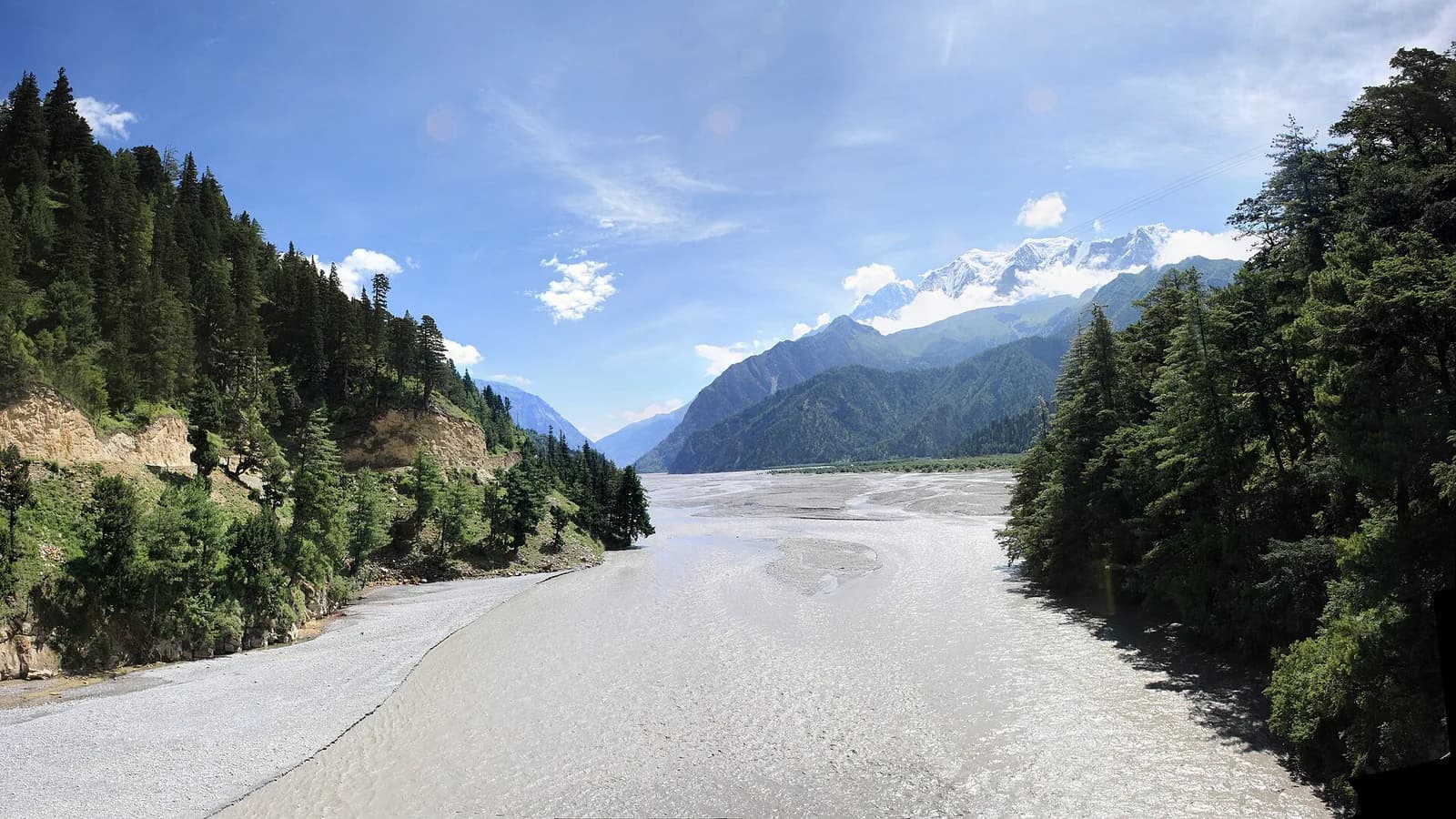
Nepal has quietly become one of the world's great destinations for throwing yourself off very high places. Thanks to its dramatic river gorges, bungee jumping Nepal now offers some of the most spectacular jumps anywhere — including a platform that ranks among the highest on the planet. Whether you want the headline 228-metre plunge near Pokhara, the historic original jump on the Bhote Koshi, or a more accessible tower jump, this guide compares the sites and walks through heights, prices, limits and safety so you can pick the right leap.
Prices, limits and operating details change, so treat the figures here as a guide and confirm when you book. Every number is stamped with currency and date, and the sources are linked at the end.
Key takeaways
- Kushma near Pokhara is the highest jump in Nepal at 228 m over the Kali Gandaki Gorge, and also runs the world's highest swing.
- The Last Resort on the Bhote Koshi is Nepal's original bungee at 160 m, around four hours east of Kathmandu.
- A tower jump near Pokhara at Hemja over the Seti gorge is the most accessible and usually the cheapest option.
- A Kushma jump is commonly around NPR 8,500 for the jump alone (as of mid 2026); the Last Resort is commonly USD 90+ for foreign visitors.
- Typical limits: minimum weight ~40–45 kg, maximum ~100–110 kg, minimum age around 12–14, plus medical screening.
- Go in the clear shoulder seasons (roughly March–May and late September–November) and check your insurance covers bungee jumping.
Nepal's three bungee sites compared
Nepal has three main places to jump, each with its own character. This table is the quick view; the sections below go deeper.
| Site | Height | Location | Best for | | --- | --- | --- | --- | | Kushma (Kali Gandaki Gorge) | 228 m | Near Pokhara (about a 2-hour drive) | The highest jump and the world's highest swing | | The Last Resort (Bhote Koshi) | 160 m | About 4 hours east of Kathmandu | History, a classic gorge jump, combining with rafting | | Pokhara tower (Hemja, Seti gorge) | Lower, tower-based | Near Pokhara | Accessibility, the cheapest option, easy add-on |
Kushma — the highest in Nepal
Kushma, in the Parbat district roughly a two-hour drive from Pokhara, is the country's blockbuster jump. The platform sits on a long suspension bridge spanning the Kali Gandaki Gorge, and at 228 metres it is the highest bungee in Nepal and one of the highest anywhere. The same site also runs a swing billed as the world's highest, which sends you arcing across the gorge in a long pendulum rather than a straight bounce — many people find the swing's extended free fall even more intense than the bungee itself. With the river far below and the gorge walls rising on either side, the setting alone is worth the trip. Because it is close to Pokhara, it pairs naturally with a lakeside stay; see our roundup of things to do in Pokhara.
The Last Resort — the original
Long before Kushma existed, The Last Resort on the Bhote Koshi River introduced bungee jumping to Nepal. Around four hours east of Kathmandu near the Tibetan border, it sends you on a 160-metre drop from a suspension bridge into a steep river gorge — a classic, long-running jump with a real sense of history. Its location makes it the natural choice if you are based in Kathmandu rather than Pokhara, and the same gorge hosts some of Nepal's most intense white water, so it is easy to combine a jump with rafting. See our white water rafting Nepal guide for that side of the trip.
Pokhara tower jump — the accessible option
For those who want the rush without the long drive or the extreme height, a tower-based jump near Pokhara at Hemja, over the Seti gorge, offers a more accessible experience and is typically the cheapest of the three. It is an easy add-on to a Pokhara itinerary and a gentler introduction to the sport, while still delivering a proper free fall. If you are weighing up all the local adrenaline options, our paragliding Pokhara guide covers the area's other signature thrill.
What it costs in 2026
Pricing varies by site, package and nationality. As a rough guide:
| Site | Typical price (as of mid 2026) | | --- | --- | | Kushma bungee (jump only) | Around NPR 8,500; combo and photo packages cost more; foreigners sometimes quoted near USD 70 | | The Last Resort (Bhote Koshi) | Commonly USD 90+ for foreign visitors; lower for Nepali and SAARC nationals | | Pokhara tower jump | The cheapest of the three; confirm the current rate locally |
Packages often bundle in transport, a safety briefing and sometimes a meal or a certificate, while photos and video are usually extra. The single most useful question is what your quote actually includes, especially the journey to and from the site, which is significant for both Kushma and the Last Resort. To set the cost against the rest of your trip, see our Nepal travel budget guide, and arrive with cash ready using the ATM withdrawal guide, since operators often prefer it.
Weight, age and medical limits
Bungee operators apply firm limits for safety, and these vary a little between sites, so always confirm directly before you travel. As a general picture:
- Weight: a minimum in the region of 40–45 kg and a maximum around 100–110 kg is typical.
- Age: minimum age is often around 12–14, and anyone under 18 usually needs a parent or guardian's written consent.
- Medical: operators screen for heart conditions, high blood pressure, back and neck problems, recent injuries and pregnancy, and you fill in a health declaration before jumping. Some sites also check blood pressure on site.
The golden rule is to be honest on the form. These limits exist to protect you, and concealing a relevant condition puts you at real risk. If you are near a weight limit or unsure about a health issue, call ahead and confirm before you commit to the journey.
Safety and choosing where to jump
The established sites operate to international safety standards, with equipment that is inspected regularly and crews who are trained to run jumps day in, day out. Nepal's commercial bungee operations have a strong overall record. That said, bungee jumping is by nature an extreme activity, so a sensible approach matters.
A simple checklist before you book
- Choose an established site with a long track record and recent positive reviews.
- Follow every instruction from the crew, before and during the jump.
- Complete the medical form truthfully, and do not jump if you have a condition the operators warn against.
- Check your travel insurance explicitly covers bungee jumping — many standard policies exclude it. Our trekking and adventure insurance guide explains what to look for.
- Confirm the price and inclusions in advance, and be wary of anything that seems suspiciously cheap. Our tourist scams guide helps you read a fair offer.
When to go
Like most Himalayan adventures, bungee jumping is best in the clear, dry shoulder seasons — roughly March to May and late September to November — when the weather is settled and the gorge views are sharpest. The monsoon can bring rain and cloud, and jumps may pause for weather or safety. Mountain conditions change quickly, so it is wise to build a little flexibility into your dates rather than banking on a single window. For the bigger picture on timing, see the best time to visit Nepal.
Getting there
The two big jumps both involve a journey. Kushma is roughly a two-hour drive from Pokhara, so it works best as a day trip or stop while you are in the lake city. The Last Resort is around four hours east of Kathmandu, often run as a day trip or an overnight at the resort itself. Many travellers book transport as part of a package, which is the simplest way to reach either site. If you are arranging your own movements around the country, our guides to getting around Kathmandu and the Kathmandu to Pokhara transport options will help.
How a jump fits into a Nepal trip
Bungee jumping slots neatly into a wider Nepal adventure. If you are Pokhara-based, Kushma is an easy and unforgettable day out, and it sits alongside paragliding and the lake as one of the area's signature thrills. If you are starting from Kathmandu, the Last Resort combines beautifully with rafting on the same Bhote Koshi gorge. Either way, a single jump takes a day at most, so it fits without derailing the rest of your plans. Our two-week Nepal itinerary shows where an adventure day fits alongside trekking and culture.
Sources
- Kushma Bungee Jump — World's 2nd Highest — North Nepal Trek
- Kushma Bungee Jump (official site)
- Bhotekoshi Bungee Jump Price, Height 2025 — Hiking Annapurna
- Bungy Nepal — The Last Resort
- Nepal Bungee Jump Guide 2025 — HIDMC
- Frequently Asked Questions — The Cliff Nepal
- Bungee Jumping in Nepal: Price Guide 2024 — Stunning Nepal
Frequently asked questions
- Where can you go bungee jumping in Nepal?
- There are three main sites. Kushma, near Pokhara, is the headline jump at 228 metres over the Kali Gandaki Gorge and is the highest in Nepal. The Last Resort on the Bhote Koshi River, east of Kathmandu, is the original Nepali bungee at 160 metres. A tower-based jump near Pokhara at Hemja over the Seti gorge offers a more accessible option. Each suits a different mix of budget, location and nerve.
- How high is the Kushma bungee jump?
- Kushma stands at 228 metres above the Kali Gandaki Gorge, which makes it the highest bungee jump in Nepal and one of the highest in the world. The same site also runs what is billed as the world's highest swing from a similar height. The platform sits on a long suspension bridge spanning the gorge, so the view down is genuinely vertiginous before you even jump.
- How much does bungee jumping in Nepal cost?
- As of mid 2026, a Kushma bungee jump is commonly priced around NPR 8,500 for the jump alone, with combo and photo packages costing more, and foreign visitors are sometimes quoted near 70 US dollars. The Last Resort on the Bhote Koshi is commonly around USD 90 or more for foreign visitors, with lower rates for Nepali and SAARC nationals. The tower jump near Pokhara is the cheapest of the three. Always confirm the current rate and what it includes when you book.
- What is the weight and age limit for bungee jumping in Nepal?
- Limits vary by operator, but a minimum weight in the region of 40 to 45 kg and a maximum around 100 to 110 kg is typical for safety. Minimum age is often around 12 to 14, and anyone under 18 usually needs a parent or guardian's written consent. Operators screen for heart conditions, back and neck problems, high blood pressure and pregnancy. Declare any condition honestly, since the limits exist to keep you safe.
- Is bungee jumping in Nepal safe?
- The established sites operate to international safety standards with regularly inspected equipment and trained crews, and Nepal's bungee operations have a strong overall record. Bungee jumping is inherently an extreme activity, so the sensible approach is to choose a reputable site, follow every instruction, fill in the medical form truthfully, and never jump if you have a condition the operators warn against. Check that your travel insurance covers bungee jumping, as some policies exclude it.
- What is the difference between the bungee and the swing at Kushma?
- The bungee is a straight free fall on an elastic cord, with a few seconds of weightless drop before the cord stretches and recoils. The swing releases you into a huge pendulum arc across the gorge, which gives a longer fall and a sweeping ride rather than a sharp bounce. Many people find the swing's longer free fall even more intense than the bungee. Some visitors do both in a combo.
- When is the best time to go bungee jumping in Nepal?
- The clear, dry shoulder seasons are best, roughly March to May and late September to November, when the weather is settled and the gorge views are at their sharpest. The monsoon can bring rain and cloud, and jumps may pause for weather or safety. As with all Himalayan activities, conditions can change quickly, so build a little flexibility into your plans.
Related posts
Pokhara Bungee Jumping: Tower, Cost & Guide 2026
Pokhara bungee jumping — the Hemja tower over the Seti gorge, height, prices, weight and age limits, safety, combos and how it compares to Kushma.
Read postBhote Koshi Bungee: The Last Resort Jump Guide
Bhote Koshi bungee at The Last Resort — Nepal's original 160 m jump near the Tibet border. Height, prices, the canyon swing, safety and how to get there.
Read postParagliding Pokhara Cost: 2026 Price Breakdown
Paragliding Pokhara cost explained — standard vs cross-country prices, photo add-ons, foreigner rates, what is included, and how to avoid overpaying.
Read post