Buddha Purnima Lumbini: Festival Day Plan
A practical, hour-by-hour companion for Buddha Purnima at Lumbini — the dawn peace prayer, the procession, and how to time the day well.
On the May full moon, the Buddha's birthplace wakes before dawn — and the day has a rhythm worth planning around.
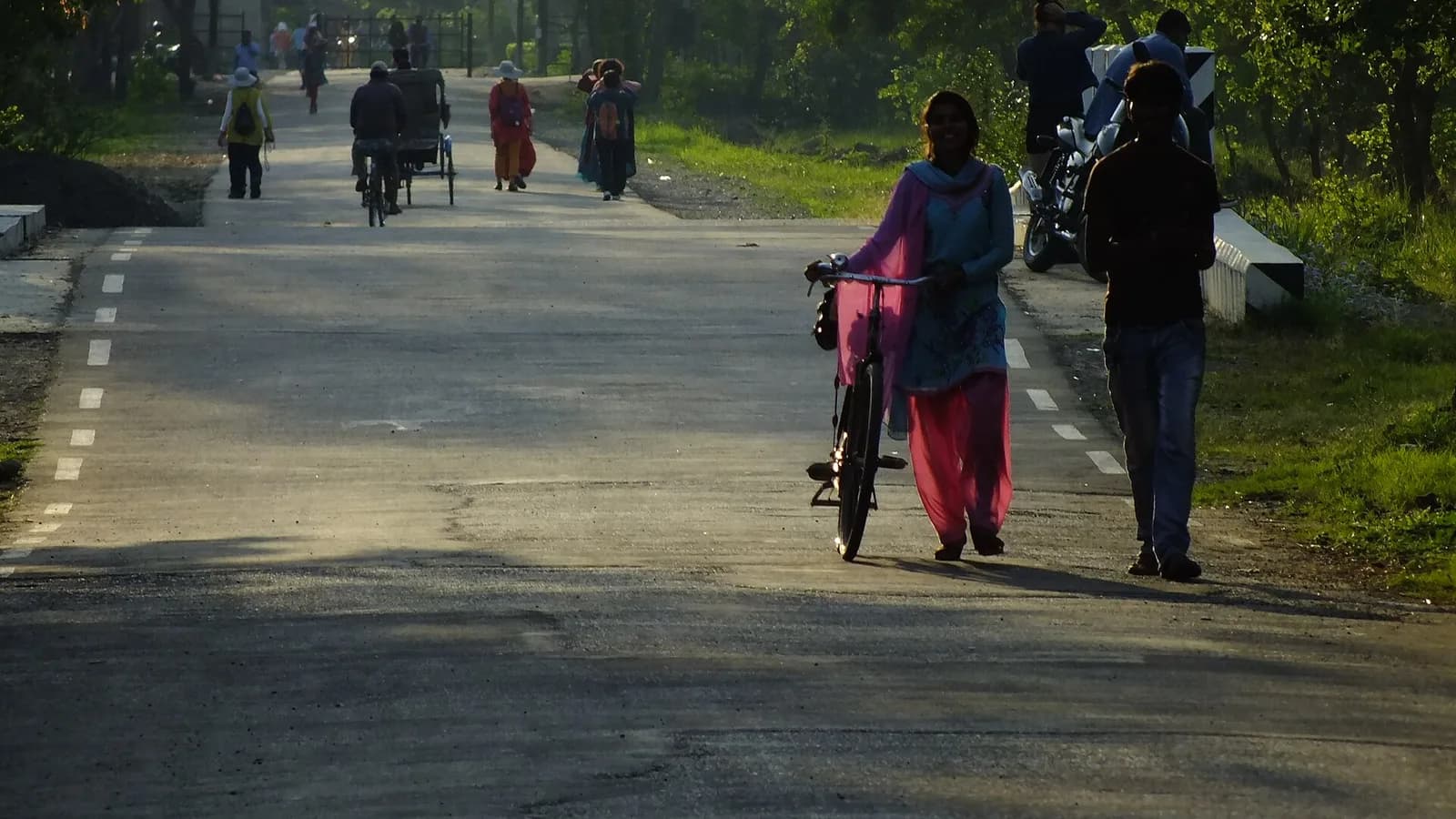
Buddha Purnima at Lumbini is the holiest day of the Buddhist year, observed at the very place the Buddha is said to have been born. If you have already decided to be there for the May full moon, the question shifts from whether to go to how to spend the day — because the celebration has a genuine rhythm, from a dawn peace prayer to an afternoon that winds down as the Terai heat peaks. This is a focused, plan-the-day companion.
For the full background — what the festival commemorates, how to reach Lumbini, etiquette, and whether the long journey south suits you — start with our main guide to Buddha Jayanti at Lumbini. Buddha Purnima and Buddha Jayanti are simply two names for the same observance, so that post is the canonical reference; this one is the practical timing companion to it.
Key takeaways
- Buddha Purnima and Buddha Jayanti are the same festival — the full-moon day marking the Buddha's birth, enlightenment, and death — known internationally as Vesak.
- The day at Lumbini follows a rough sequence: a dawn world-peace prayer at the Maya Devi Temple, a procession toward the International Peace Meditation Centre, and a main ceremony with officials and senior monks.
- Be in the Sacred Garden before 7am — both for the prayer and to beat the heat and crowds.
- May is hot in the Terai plains; treat early morning as your prime window.
- 2026 date: widely listed as Friday 1 May 2026 (Baisakh 18, 2083) — but always reconfirm for your travel year.
- The atmosphere is devotional, not a spectacle: chanting, lamps, and circumambulation rather than music and show.
One festival, three names
Before planning, it helps to clear up the names, because Nepali signage and locals use them freely. Buddha Purnima highlights that the festival lands on the full moon (purnima). Buddha Jayanti highlights that it is the Buddha's birth anniversary (jayanti). Vesak is the international term, recognised by the United Nations as the Day of Vesak. All three point to the same lunar date and the same triple commemoration — birth, enlightenment, and mahaparinirvana — which tradition holds fell on the full moon of the same lunar month.
The practical upshot for a visitor: do not be thrown if your hotel calls it Purnima, a monk calls it Jayanti, and a Sri Lankan pilgrim beside you calls it Vesak. You are all there for the same morning.
How the day unfolds at Lumbini
Recent festival years at Lumbini have followed a broadly similar shape, organised around the Sacred Garden and the wider park. The exact programme is set each year by the Lumbini Development Trust and partner monastic bodies, so treat the sequence below as a planning skeleton rather than a fixed timetable — and confirm the details locally on the day.
| Part of day | What typically happens | | --- | --- | | Pre-dawn | Pilgrims gather; overnight recitation may still be underway at the Maya Devi Temple | | Around 7am | World-peace prayer ceremony at the Maya Devi Temple | | Mid-morning | Procession of roughly two kilometres toward the International Peace Meditation Centre, with monks, nuns, lamas, and devotees | | Late morning | Main ceremony at the International Peace Meditation and Conference Centre, with officials, diplomats, and senior monastics | | Daytime | Monastery-by-monastery observances across the Monastic Zone; chanting, offerings, dharma talks | | Evening | Lamp-lighting and floral decoration of the monuments as the heat eases |
The dawn peace prayer
The emotional centre of the morning is the prayer for world peace held at the Maya Devi Temple — the building that marks the exact traditional birth spot, beside the ancient Ashoka Pillar and the sacred pond. Getting inside the Sacred Garden before it begins is the single best timing decision you can make. You will share the space with monastic communities from across Asia, each in their own robes, leading slow clockwise circumambulations.
The procession
After the prayer, the day usually moves outward. In recent years a procession of about two kilometres has set off from the temple area toward the International Peace Meditation Centre, drawing monks, nuns, lamas, and lay pilgrims into a single slow-moving column. If you want to witness it, position yourself near the Sacred Garden exit once the dawn prayer winds down, and follow the crowd's lead rather than rushing ahead.
The main ceremony
The formal programme — often at the International Peace Meditation and Conference Centre — gathers federal and provincial ministers, foreign diplomats, and senior spiritual figures. As an ordinary visitor you are not the audience this part is staged for, but the surrounding grounds remain open and you can observe respectfully from the public areas.
Timing your day around the heat
Lumbini sits in the Terai plains at low elevation, and the festival's May timing puts it right at the start of the hot season. Daytime highs commonly reach the high 30s Celsius and can approach or pass 40 (as of June 2026), with June hotter still. This single fact should shape your whole day.
- Do your temple visiting at dawn, when the air is coolest and the light on the lamps and stupas is best.
- Retreat in the early afternoon — back to your room, a shaded monastery hall, or the museum zone — during the worst of the heat.
- Carry more water than feels necessary, plus a hat and light, modest, shoulder-and-knee-covering clothing that doubles as both sun and temple cover.
- Come back out in the evening for the lamp-lighting, once the temperature drops.
This rhythm — early, rest, late — is far more comfortable than trying to push through the midday hours, and it happens to match how the festival itself breathes.
A practical plan-ahead checklist
Because Buddha Purnima is both a national public holiday and a peak pilgrimage date, a little advance work goes a long way. Our main Buddha Jayanti guide covers transport routes and etiquette in full; the essentials to lock in are:
- Book a bed early. Lumbini has a limited stock of hotels plus monastery guesthouses, and nearby Bhairahawa adds more comfortable options about 25 km away. Festival demand fills rooms.
- Decide your arrival route in advance. Flying into Bhairahawa's Gautam Buddha Airport saves a full day over the long road from Kathmandu; from the south, the Sunauli border puts Lumbini within easy reach of an India itinerary. See getting from Kathmandu to Lumbini for the options.
- Plan to stay the night before. Being on the ground for the dawn prayer is the whole point; a same-day arrival rarely works.
- Rent a bicycle at the gates. The park is large, and a bike makes the Monastic Zone genuinely walkable between ceremonies.
Pair it with the rest of Lumbini
The festival is the headline, but the site rewards a slower look on either side of the full-moon day. The international Lumbini monasteries — built by Thailand, Myanmar, Korea, China, Japan, and others — are especially active during the festival and worth a circuit. If you have come for the spiritual atmosphere, Lumbini's meditation options let you extend the experience beyond a single morning. And for the deeper story of the place — the Sacred Garden, the Ashoka Pillar, and what archaeology has and has not confirmed — see our guide to Lumbini, birthplace of the Buddha.
A common, efficient routing is to fold Lumbini into a southern loop with a Chitwan safari, since both lie in the lowlands and pair naturally over a few days.
Is the festival day worth building a trip around?
If you already value contemplative atmosphere over visual spectacle, Buddha Purnima at Lumbini is hard to beat: the holiest day of the Buddhist calendar, observed at the place the tradition began, in the cool hush before a Terai dawn turns hot. The crowds are large but the mood is devotional, and the day's built-in rhythm — prayer, procession, ceremony, evening lamps — gives a first-time visitor an easy structure to follow.
Go knowing it is a day of devotion rather than display, arrive before 7am, respect the heat, and the May full moon at Lumbini becomes one of the more genuinely memorable mornings a Nepal trip can offer.
Sources
- Nepal Tourism Board — Buddha Jayanti
- Kathmandu Post — Lumbini marks Buddha Jayanti with grand celebrations (2025)
- Lumbini Development Trust — Buddha Jayanti and Lumbini Day celebration
- United Nations in Nepal — Buddha Jayanti Celebration, Lumbini
- Buddha's Birthday — Wikipedia
- World Heritage Journeys (UNESCO/UNWTO) — Festivals and spiritual events at Buddhist sites
Frequently asked questions
- What is the difference between Buddha Purnima and Buddha Jayanti?
- There is no difference — they are two names for the same full-moon festival marking the Buddha's birth, enlightenment, and passing. Buddha Purnima emphasises the full moon (purnima), Buddha Jayanti emphasises the birth anniversary, and Vesak is the international name. In Nepal you will hear all three used interchangeably.
- What time should I arrive at the Maya Devi Temple on Buddha Purnima?
- Aim to be inside the Sacred Garden before 7am, when a world-peace prayer ceremony typically begins at the Maya Devi Temple. Early arrival also beats both the heaviest crowds and the Terai heat, which builds quickly through the morning in May.
- Is there a procession on Buddha Purnima at Lumbini?
- Yes. In recent years the morning peace prayer has been followed by a procession of about two kilometres from the temple area toward the International Peace Meditation Centre, joined by monks, nuns, lamas, and lay devotees. The exact route and timing are set by organisers each year, so confirm locally on the day.
- When is Buddha Purnima in 2026?
- Buddha Jayanti is widely listed for Friday 1 May 2026 (Baisakh 18, 2083 in the Nepali calendar). Because the date follows the lunar calendar it shifts yearly, so always reconfirm the date for your own travel year before booking.
- How hot is Lumbini during the festival?
- Lumbini sits in the low-lying Terai plains, and May is the start of the hot season — daytime highs commonly climb into the high 30s Celsius and can approach or exceed 40 (as of June 2026). Carry water, a hat, and sun cover, and do your temple visiting in the cooler early morning.
- Can I attend the main ceremony, or is it only for officials?
- The main ceremony at the International Peace Meditation and Conference Centre draws ministers, diplomats, and senior monastics, but the wider grounds, prayers, and processions are open to ordinary pilgrims and visitors. Watch respectfully from the public areas and follow any stewarding on the day.
- Do I need a ticket for Buddha Purnima at Lumbini?
- The Sacred Garden and Monastic Zone use standard Lumbini entry arrangements rather than a separate festival ticket, though specifics and any fees can change, so check current rules at the gate (as of June 2026). The festival itself is a public religious occasion, not a paid event.
- How do you greet someone on Buddha Purnima in Nepali?
- A warm and well-understood greeting is Buddha Jayanti ko subhakamana, meaning best wishes on Buddha Jayanti, offered with a quiet namaste and a small bow. The same greeting works whether locals call the day Purnima or Jayanti.
Related posts
Buddha Jayanti at Lumbini — Buddha Purnima Festival Guide
Buddha Jayanti at Lumbini marks Buddha's birth on the May full moon. What the festival looks like, when it falls, and how to attend respectfully.
Read postBuddha Statue Nepal: A Traveller's Guide to the Best
Where to see the most striking Buddha statue sites in Nepal, from the giant golden trio at Swayambhu to the stone Buddha of Mustang.
Read postBuddhism in Nepal — A Traveler's Guide to Its Roots
Buddhism in Nepal began at Lumbini and split into three living traditions. Where to see it, what it means, and how to visit with respect.
Read post