Boutique Hotels in Kathmandu: A Traveler's Guide
How to choose boutique hotels in Kathmandu — heritage Newari courtyards, Rana palaces, and quiet design stays in Thamel, Patan, Boudha and beyond.
In Kathmandu, the best boutique hotels are not just places to sleep — they are restored fragments of the Valley's living history.
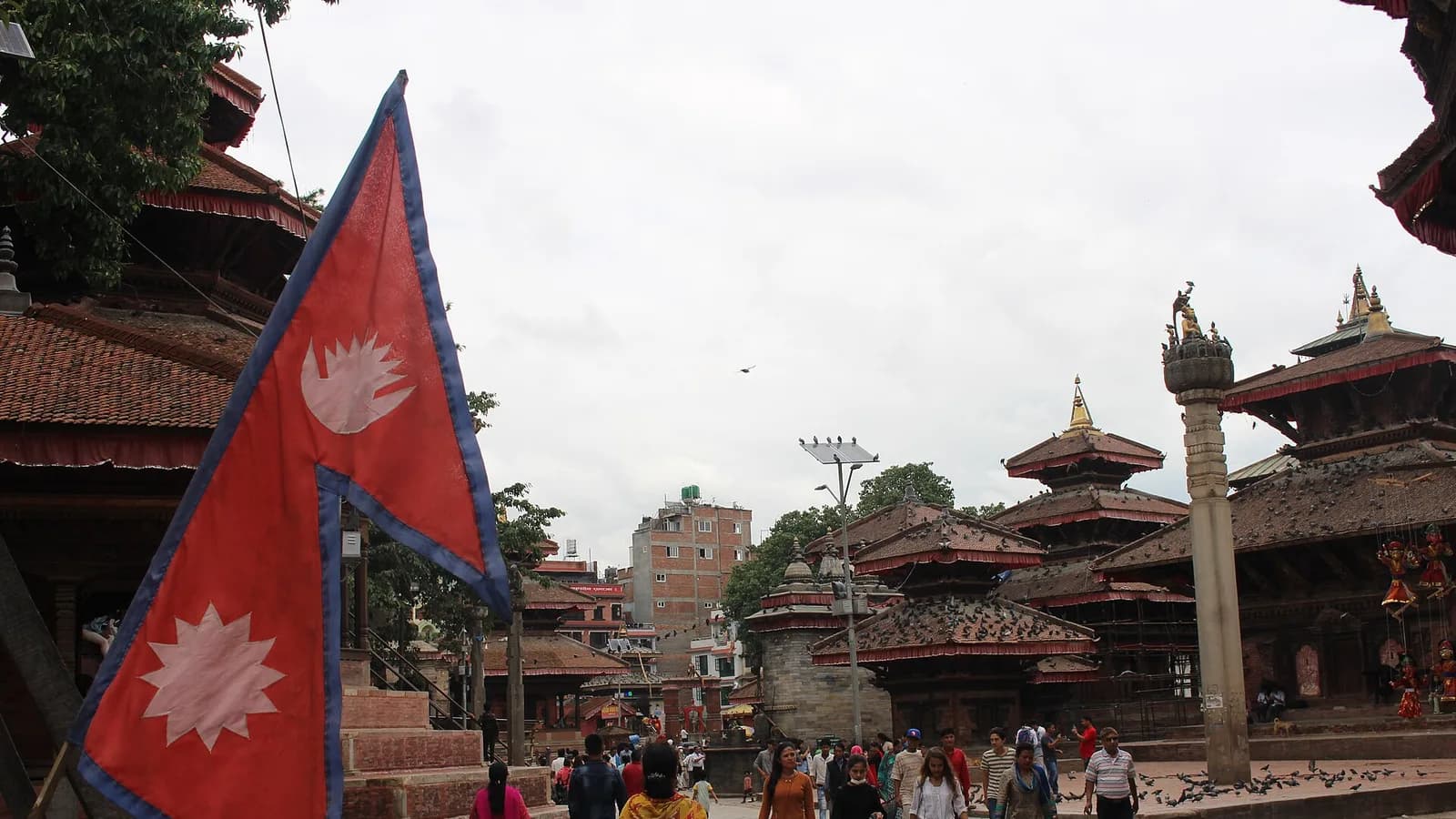
Kathmandu's accommodation scene runs from backpacker dorms to international five-star towers, but its most distinctive stays sit in between: the boutique hotels. In a city where centuries-old temples share narrow lanes with traffic and trekking shops, the best boutique hotels in Kathmandu do something a chain hotel cannot — they put you inside the Valley's living craft tradition, often in a restored Newari house or a former palace. This guide explains what "boutique" actually means here, which neighborhoods suit which travelers, and how to choose a place that matches your trip.
If you are still deciding which part of the city to base yourself in, start with our honest where to stay in Kathmandu neighborhood breakdown, then come back here for the boutique angle.
Key takeaways
- Boutique hotels in Kathmandu are typically small, design-led properties built around courtyards, with Newari woodwork, handmade brick and individually styled rooms.
- The main clusters are Thamel (central and lively), Patan/Lalitpur (heritage and calm), Boudha (spiritual and serene) and Lazimpat (leafy and central but quieter than Thamel).
- Heritage flagships like Dwarika's Hotel and Baber Mahal Vilas are tied to real preservation stories and Rana-era history, not just decor.
- Choose your area first and your hotel second — the neighborhood shapes your whole day more than the room does.
- Rooms are limited at small properties, so book ahead during the autumn and spring peak seasons, and always confirm current rates directly.
What "boutique" means in Kathmandu
Globally, "boutique hotel" is a loose label, but in Kathmandu it usually points to a few shared traits: a small number of rooms, individual styling rather than identical units, an emphasis on local craftsmanship, and personal, owner-led service. Many are organised around a traditional courtyard — the architectural heart of the Newar home — so the building itself becomes part of the experience.
You will see the same design vocabulary again and again: carved wooden windows and lattice screens, handmade bricks, terracotta floor tiles, and brass or pottery lamps. Several properties draw directly on the craft traditions of Patan and the nearby village of Bungamati, with handpainted walls, decorative tilework and the angled lattice windows typical of Newari homes, according to listings and property descriptions compiled by guides such as Trip101.
Boutique vs guesthouse vs luxury hotel
These categories overlap, but it helps to separate them:
| Type | Typical size | Character | Good for | | --- | --- | --- | --- | | Boutique heritage | Small to mid | Newari design, courtyards, craft detail | Travelers who want atmosphere and culture | | Classic guesthouse | Small | Simple, friendly, gardens | Budget and mid-range stays | | International luxury | Large | Pools, spas, fine dining, chain service | Predictable comfort and full facilities |
For more on the budget end, see our guide to hostels in Kathmandu; for the broader picture of neighborhoods and price tiers, the where to stay in Kathmandu guide covers Thamel, Patan and beyond.
Choosing your neighborhood
In Kathmandu, the area you pick matters more than the specific property, because the city's districts feel genuinely different and transit between them eats time. Here is how the main boutique zones compare.
Thamel — central and lively
Thamel is the long-established tourist hub, dense with hotels, restaurants, trekking agencies and shops within walking distance. It is the easy default for first-time visitors who want everything close at hand. The trade-off is noise and crowds — Thamel is lively but can be loud, so light sleepers may prefer a quieter base. Even here, though, you can find calm: the historic Kathmandu Guest House, credited with helping put Thamel on the map and welcoming travelers since the late 1960s, is known for a large garden that forms a green oasis amid the bustle, as noted by neighborhood guides like kimkim.
Patan (Lalitpur) — heritage and quiet
Across the Bagmati River, Patan — officially Lalitpur — is a cultural treasure of ancient temples, palaces and Newari architecture. Staying here lets you experience the Valley's heritage without the city's busiest streets, and several boutique hotels sit within a short walk of Patan Durbar Square. The number of boutique properties in the Valley is growing, especially in Patan, which has become a favourite for travelers wanting culture with calm. Our Patan and Lalitpur guide covers what to see once you are based there.
Boudha — spiritual and serene
The Boudha area, centred on the great Boudhanath Stupa, has a noticeably more serene, meditative atmosphere than central Kathmandu. It is home to much of the Valley's Tibetan community, with monasteries, Tibetan eateries and meditation centres nearby. Boutique stays here suit travelers who want quiet mornings and an early walk around the stupa before the city wakes.
Lazimpat and Durbar Marg — leafy and central
Just north and east of Thamel, Lazimpat offers a central location with a less touristy feel, and the Durbar Marg corridor concentrates many of the city's upscale and independent hotels. This is a good middle ground if you want to be close to the action without sleeping above a bar.
Heritage flagships worth knowing
A handful of properties have become reference points for heritage hospitality in Nepal. You do not have to stay in them to appreciate the story, but knowing them helps you judge other hotels' claims.
Dwarika's Hotel
Dwarika's Hotel, in the Battisputali neighborhood, is a collection of traditional Newari houses arranged around courtyards. Its origin is unusually literal: founder Dwarika Das Shrestha began rescuing carved wooden elements from old Kathmandu buildings that were being demolished, and the hotel grew from that act of preservation into what its own history describes as a living museum of the Valley's woodwork. The property has been recognised with a UNESCO Asia-Pacific Award for Cultural Heritage Conservation, and details of its founding and design are documented on Wikipedia and the hotel's own story page. It reads as boutique in spirit because of its handcrafted, museum-like character.
Baber Mahal Vilas
Baber Mahal Vilas is a family-run heritage hotel set within the restored Baber Mahal Revisited complex, a former Rana residence. According to the property's own site, it is built and run by descendants of the Rana family, with a small number of individually styled rooms across architectural themes such as Newari, Maithili and colonial. The complex also folds in restaurants and a curated shopping and art experience, making it a self-contained heritage enclave near the city centre.
A Valley-rim escape: Dhulikhel
If you want to pair Kathmandu with a quieter Himalayan view, the rim of the Valley has resort-style heritage properties too. Dwarika's Resort in Dhulikhel, about an hour from the city, draws on Newar building techniques and local materials and leans into wellness, with yoga decks, an Ayurvedic spa and an organic farm, as described in its resort listing. It is a natural add-on for travelers who want a slower day or two before or after a trek.
What to look for when you book
Boutique branding is not regulated, so read each property carefully rather than trusting the label.
Match the setting to your plans
- Arriving late or leaving early for a flight? A central Thamel or Lazimpat base saves a stressful airport dash.
- Want culture and calm? Patan or Boudha will serve you better than the centre.
- Recovering from or preparing for a trek? A garden courtyard, reliable hot water and a quiet room matter more than nightlife.
Check the practical details
Heritage charm and modern comfort do not always come together, so confirm the basics that matter to you:
| Check | Why it matters | | --- | --- | | Hot water and heating | Older buildings can be cold in winter mornings | | Wi-Fi reliability | Useful for trek bookings and staying in touch | | Room location | Courtyard-facing rooms are usually quieter than street-side | | Airport transfer | Saves haggling with taxis on arrival | | Garden or terrace | A real asset for decompressing after city days |
Book early in peak season
Small properties have few rooms, and Kathmandu's autumn (roughly October to November) and spring (roughly March to April) are the busy trekking seasons. If your dates fall then, reserve well ahead and confirm the current nightly rate directly with the hotel, since prices shift with season and demand.
Making the most of a boutique base
A well-chosen boutique hotel is also a launchpad. From a central or Patan base you can easily fold in the Valley's headline sights — the things to do in Kathmandu guide and our Kathmandu sightseeing overview map out temples, durbar squares and viewpoints within a short ride. Many boutique hotels can also arrange a guide or driver, which is handy for reaching Boudhanath, Pashupatinath or Swayambhunath without negotiating taxis each time.
Finally, treat the hotel itself as part of the itinerary. In few cities can your accommodation double as a lesson in local architecture, with carved windows and courtyards that echo the very monuments you have come to see. That is the real appeal of Kathmandu's boutique scene: the building is not a backdrop to your trip — it is part of the destination.
Sources
Frequently asked questions
- What makes a hotel a boutique hotel in Kathmandu?
- It is usually a small, design-led property with individually styled rooms, often built around a courtyard and emphasising Newari craftsmanship and personal service rather than chain-hotel uniformity.
- Where are most boutique hotels in Kathmandu located?
- They cluster in Thamel, the quieter heritage city of Patan (Lalitpur), the spiritual Boudha area near the stupa, and leafier streets like Lazimpat just outside the tourist core.
- Are boutique hotels in Kathmandu expensive?
- Prices span a wide range, from modest courtyard guesthouses to flagship heritage properties, so there are boutique options for both mid-range and higher budgets — always confirm current rates when you book.
- Which area is quietest for a boutique stay?
- Patan and Boudha are generally calmer than Thamel, with Patan offering Newari heritage and Boudha a more serene, meditative atmosphere around the stupa.
- What is a Newari courtyard hotel?
- It is a property built in the traditional Kathmandu Valley style, with rooms arranged around an inner courtyard and decorated with carved wood, handmade brick and terracotta details.
- Is Dwarika's Hotel a boutique hotel?
- Dwarika's is a heritage luxury property famous for preserving Newari woodwork; it reads as boutique in spirit because of its handcrafted, museum-like character rather than its size alone.
- Do boutique hotels in Kathmandu have modern amenities?
- Many combine heritage design with modern comforts such as Wi-Fi, hot water, gardens and spas, though facilities vary widely, so check exactly what each property offers.
- Should I book a boutique hotel in advance?
- Yes, because these properties are small and rooms are limited, so booking ahead is wise during the autumn and spring peak trekking seasons.
Related posts
Best Area to Stay in Kathmandu: Match Area to Trip
The best area to stay in Kathmandu depends on your trip length, budget and goals. A decision-led guide for tourists and trekkers.
Read postWhere to Stay in Kathmandu — Thamel vs Jhamsikhel vs Patan
The four areas tourists actually consider, what each one is like, and who each fits. Honest neighborhood guide for first-time visitors.
Read postHostels in Kathmandu: Backpacker Guide (2026)
Hostels in Kathmandu for backpackers — dorm prices, the best areas like Thamel and Freak Street, what to expect, booking tips and how to choose well.
Read post