Dhulikhel: Himalayan Views & Newari Old Town
A guide to Dhulikhel, the Himalayan viewpoint town near Kathmandu: sunrise peaks, the Newari old town, the Kali shrine steps and the Namobuddha hike.
An hour from the capital, a brick old town wakes under a wall of Himalayan peaks — Dhulikhel trades the city's chaos for a quiet ridge and a long view.
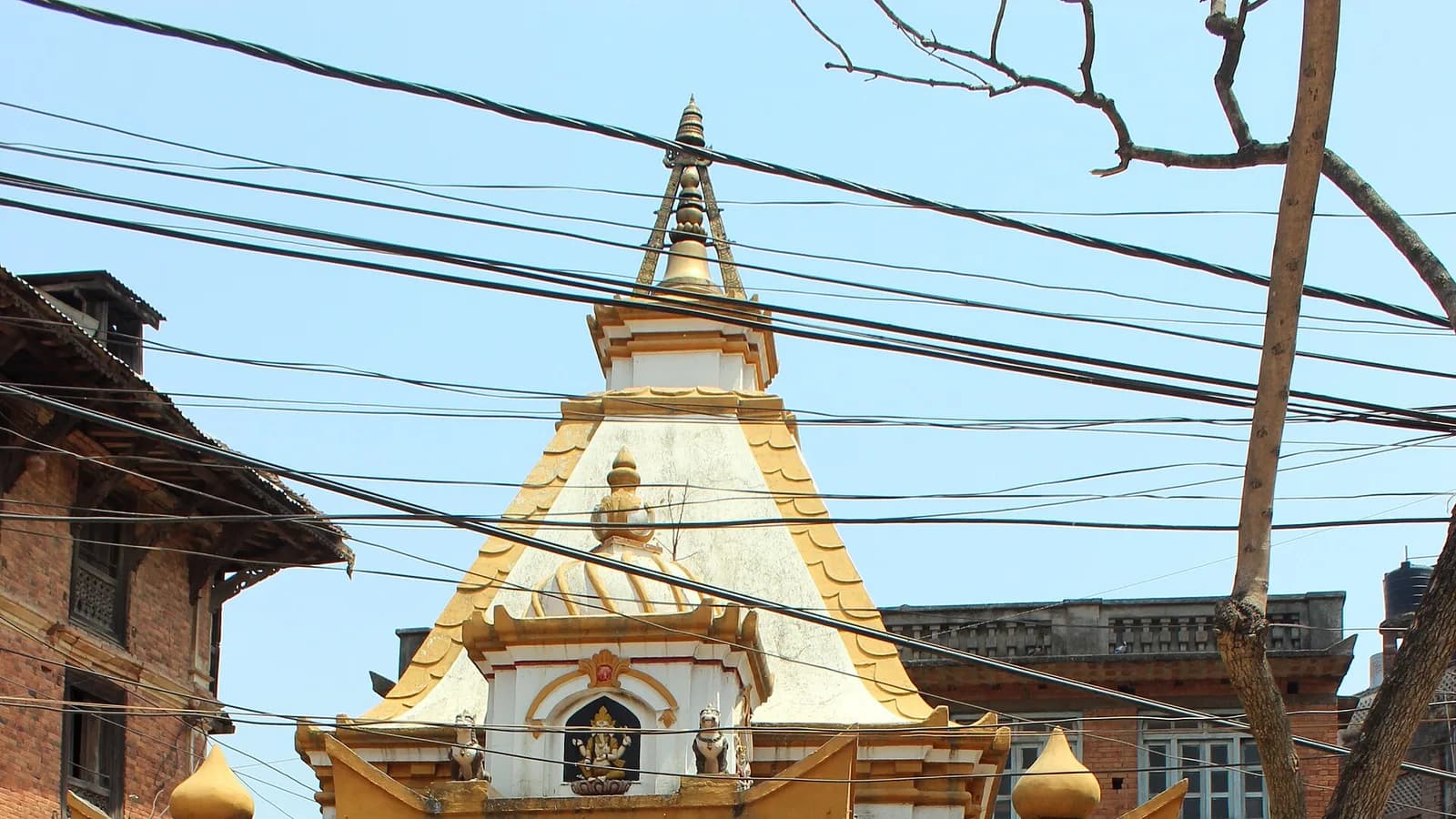
An hour east of Kathmandu, the road climbs out of the valley's haze and the air clears. This is Dhulikhel — an old Newari town perched on a ridge at around 1,550 metres, where a wall of Himalayan peaks lines the northern horizon and brick lanes wind between carved wooden houses. It is one of the easiest places near the capital to swap city noise for mountain quiet, and it rewards visitors with a rare combination: a genuine living heritage town and a front-row view of the high Himalaya. This guide covers the Dhulikhel views, the old town, the Kali shrine climb and the classic hike to Namobuddha, plus the practical details to plan your visit.
Dhulikhel sits on the eastern rim of the Kathmandu Valley, making it a natural companion to the valley's other great escapes. If you are weighing up where to watch the mountains, it is well worth comparing with Nagarkot sunrise and the heritage city of Bhaktapur on a day trip, both close by.
Key takeaways
- Dhulikhel sits at about 1,550 metres, roughly 30 km east of Kathmandu in Kavre district, on the Arniko Highway.
- It is famed for a wide Himalayan panorama at sunrise and sunset, taking in the Langtang range, Gauri Shankar, Ganesh Himal and more on a clear day.
- The Newari old town is a living maze of brick lanes, carved windows and small temples — the cultural heart of the place.
- A stairway locals call the thousand steps climbs to a hilltop Kali shrine that doubles as a viewpoint.
- The standout walk is the 3–4 hour hike to Namobuddha, a major Buddhist monastery, often extended toward Panauti or Balthali.
- Go in autumn (Oct–Nov) or spring (Mar–Apr) for the clearest skies; stay overnight to catch both sunset and a clear sunrise.
Why visit Dhulikhel
Most travellers come to Dhulikhel for one of two reasons — the mountains or the heritage — and leave appreciating both. Unlike a purpose-built viewpoint resort, Dhulikhel is a working town with centuries of history, so the Himalayan panorama comes wrapped in real daily life: farmers heading to terraced fields, temple bells, woodsmoke from courtyard kitchens. It is close enough to the capital for a half-day dash but rewarding enough to justify a slow overnight. And because it anchors several of the Kathmandu Valley's best short hikes, it appeals as much to walkers as to sightseers.
It also offers a gentler pace than the city. After the intensity of getting around Kathmandu, a ridge-top town where the loudest sound is the wind is a genuine tonic.
The Himalayan view
Dhulikhel's calling card is its skyline. On a clear morning the northern horizon fills with a long sweep of snow peaks, and the panorama is generous: the Langtang range, Gauri Shankar, Dorje Lakpa and Ganesh Himal are among the named summits commonly picked out, with many more peaks strung along the wall to the practised eye. The light is best at the day's edges — the mountains glow at sunrise before the valley warms and haze rises, and again at sunset when the snow turns pink and gold.
Several spots in and around town make good viewing platforms. The Kali shrine above the old town is the classic perch, and many hotels are built along the ridge precisely to face the peaks. Wherever you watch from, the same rule applies as at any Himalayan viewpoint: clear, dry-season air is everything, so timing your visit matters as much as the spot you choose.
The Newari old town
Below the modern roadside strip lies the real Dhulikhel: a Newari old town of narrow brick lanes, traditional houses with intricately carved wooden windows, and small temples at seemingly every junction. The Newar people are renowned across Nepal for their craftsmanship and woodcarving, and the old quarter is effectively a living museum of that tradition — multi-tiered temple roofs, courtyards, water spouts and shrines worn smooth by generations of hands.
It rewards slow, aimless wandering. There is no single must-see monument so much as an atmosphere: prayer, craft and farming life carrying on much as they have for centuries. If you enjoy this kind of heritage, Dhulikhel pairs beautifully with the grander Durbar Square towns of the valley — see our guides to Bhaktapur and Patan (Lalitpur) for the full Newari architectural story.
The Kali shrine and the thousand steps
For the best view in town under your own steam, climb to the Kali shrine. A stairway locals call the thousand steps (Hajaar Sidi) rises from near the centre of Dhulikhel to a hilltop temple dedicated to the goddess Kali. The climb is short — around twenty minutes up for most people, and quicker down — and from the viewing platform the Himalayas open out over the valley on a clear day.
A few practical notes:
- Go in the morning, both for clearer mountains and to beat the midday heat on the open steps.
- Wear shoes with grip; the stone stairs can be slick after rain.
- It is an active shrine, so move respectfully and follow local custom near the temple itself.
The Namobuddha hike
The walk that defines Dhulikhel for many visitors is the hike to Namobuddha, one of the most important Buddhist pilgrimage sites in Nepal. The trail runs roughly three to four hours from town, following farm paths through rice terraces, passing small Tamang and Newari villages, and climbing gently through forest to the monastery complex on the hill.
Namobuddha — home to the large Thrangu Tashi Yangtse monastery — is tied to a famous legend in which a young prince offered his own body to feed a starving tigress and her cubs, an act of compassion commemorated by the stupa and shrines on the hill. Even setting the story aside, it is a serene, atmospheric place, with monks, prayer flags and long views, and it makes a natural turnaround point or overnight.
Many walkers extend the route rather than simply returning the way they came:
| Route from Dhulikhel | Rough walking time | Character | |---|---|---| | To Namobuddha (direct) | 3–4 hours | Terraces, villages, forest, monastery | | To Panauti | 2–3 hours | Old Newari town with riverside temples | | To Balthali village | 4–5 hours | Quiet rural valley, homestays | | Namobuddha → Panauti loop | Full day | The classic combined day hike |
A popular plan is to walk from Dhulikhel to Namobuddha, then continue down to the historic town of Panauti, stringing two highlights into one satisfying day on foot. Carry water and snacks, wear sun protection, and start early to keep the mountains in view.
A note on the giant Shiva statue at Sanga
On the highway between Kathmandu and Dhulikhel, near Sanga, stands the towering Kailashnath Mahadev statue — at 144 feet, often cited as the tallest statue of Shiva in the world. It is an easy stop to fold into the journey out or back, since it sits right on the route, and the hilltop around it offers its own valley views. If you are travelling by bus, the relevant stop is at Sanga, a short walk from the statue.
Best time to visit
Timing is everything for the mountains. The clearest skies and sharpest Himalayan views come in autumn, around October and November, and spring, around March and April — the prime windows for any valley-rim viewpoint. Winter mornings can be brilliantly clear but cold, with frost on the ridge, while the monsoon from around June to September turns the hills lush and green but often hides the peaks behind cloud. For a fuller breakdown across the seasons, see our guide to the best time to visit Nepal.
For the views specifically, an overnight stay is the move: it lets you catch both the sunset and an early, haze-free sunrise, which is when Dhulikhel is at its most magical. A day trip still delivers the old town and the Kali shrine, but the mountains are a matter of luck and timing.
Getting there and fitting it in
Dhulikhel is one of the more accessible escapes from the capital. By private car or taxi the drive takes roughly an hour along the Arniko Highway; by local bus from Kathmandu it is closer to two hours. From Bhaktapur, buses run from the Jagati area, making it easy to combine the two in a single outing.
That accessibility is the point. Dhulikhel slots neatly into a broader Kathmandu Valley plan — pair it with Bhaktapur and a Nagarkot sunrise for a classic eastern-rim loop, or, if you are after a similar car-free hilltop feel elsewhere in the country, compare it with the lovely Bandipur. For the bigger picture, our two-week Nepal itinerary shows where a ridge town like this fits alongside the cities, the trekking trails and the lowland parks.
However you reach it, Dhulikhel offers something the capital cannot: a quiet brick town on a ridge, a wall of white peaks at dawn, and a forest trail leading off toward a monastery on the next hill. It is the Kathmandu Valley at its most serene.
Sources
Frequently asked questions
- Where is Dhulikhel and how do you get there from Kathmandu?
- Dhulikhel is a hill town about 30 kilometres east of Kathmandu in Kavre district, on the Arniko Highway. By private car or taxi it takes roughly an hour, while local buses from Kathmandu take around two hours. It is an easy day trip or overnight from the capital.
- What can you see from Dhulikhel?
- On a clear day Dhulikhel offers a wide Himalayan panorama spanning many peaks, including the Langtang range, Gauri Shankar, Dorje Lakpa and Ganesh Himal, with more summits visible to the experienced eye. The town is best known for its sunrise and sunset views over this skyline.
- What is the best time to visit Dhulikhel?
- Autumn, around October and November, and spring, around March and April, give the clearest skies and the sharpest mountain views. Winter mornings can also be very clear but cold, while the monsoon months often wrap the peaks in cloud.
- What is the Kali shrine and the thousand steps in Dhulikhel?
- Above the town a stairway locals call the thousand steps climbs to a Kali shrine on a hilltop, which doubles as a viewpoint. The climb takes most people around twenty minutes up, and from the platform the Himalayas open up over the valley on a clear day.
- How long is the hike from Dhulikhel to Namobuddha?
- The walk from Dhulikhel to Namobuddha is roughly three to four hours over farm trails, terraced fields and forest, climbing gently to the monastery. Many visitors hike out and return by road, or continue on toward Panauti to make a longer loop.
- Is Dhulikhel better than Nagarkot for mountain views?
- Both are Kathmandu Valley rim viewpoints with broad Himalayan panoramas, so neither is strictly better. Dhulikhel pairs its views with a living Newari old town and good hiking, while Nagarkot is higher and more developed for sunrise tourism. Many travellers pick one based on the hikes they want to add.
- Can you do Dhulikhel as a day trip or should you stay overnight?
- Both work. A day trip lets you see the old town and walk to the Kali shrine, but staying overnight is the way to catch both sunset and a clear sunrise over the mountains, which is when Dhulikhel is at its finest.
Related posts
Shivapuri Nagarjun: Kathmandu's Forest Day Hike
A practical guide to Shivapuri Nagarjun National Park near Kathmandu: trails, entry fees, wildlife, Nagi Gompa and Bagdwar, and how to plan a day hike.
Read postWorld Peace Pagoda Pokhara: Hike, Views & Guide
How to reach the World Peace Pagoda in Pokhara, the boat-and-hike route, what the Shanti Stupa means, best times for Annapurna views, and visitor tips.
Read postBardia National Park: Nepal's Wild Tiger Park (2026)
Bardia National Park guide — Bengal tigers, rhinos, entry fees, safaris and how Nepal's quietest Terai park compares to Chitwan in 2026.
Read post