Study in Nepal: A Guide for International Students
How to study in Nepal as a foreigner: the main universities, popular fields, English-taught programmes, the student visa process and what it costs.
Nepal is better known as a place to trek than a place to study, but for the right student its universities offer English-taught degrees, low costs and a setting nowhere else can match.
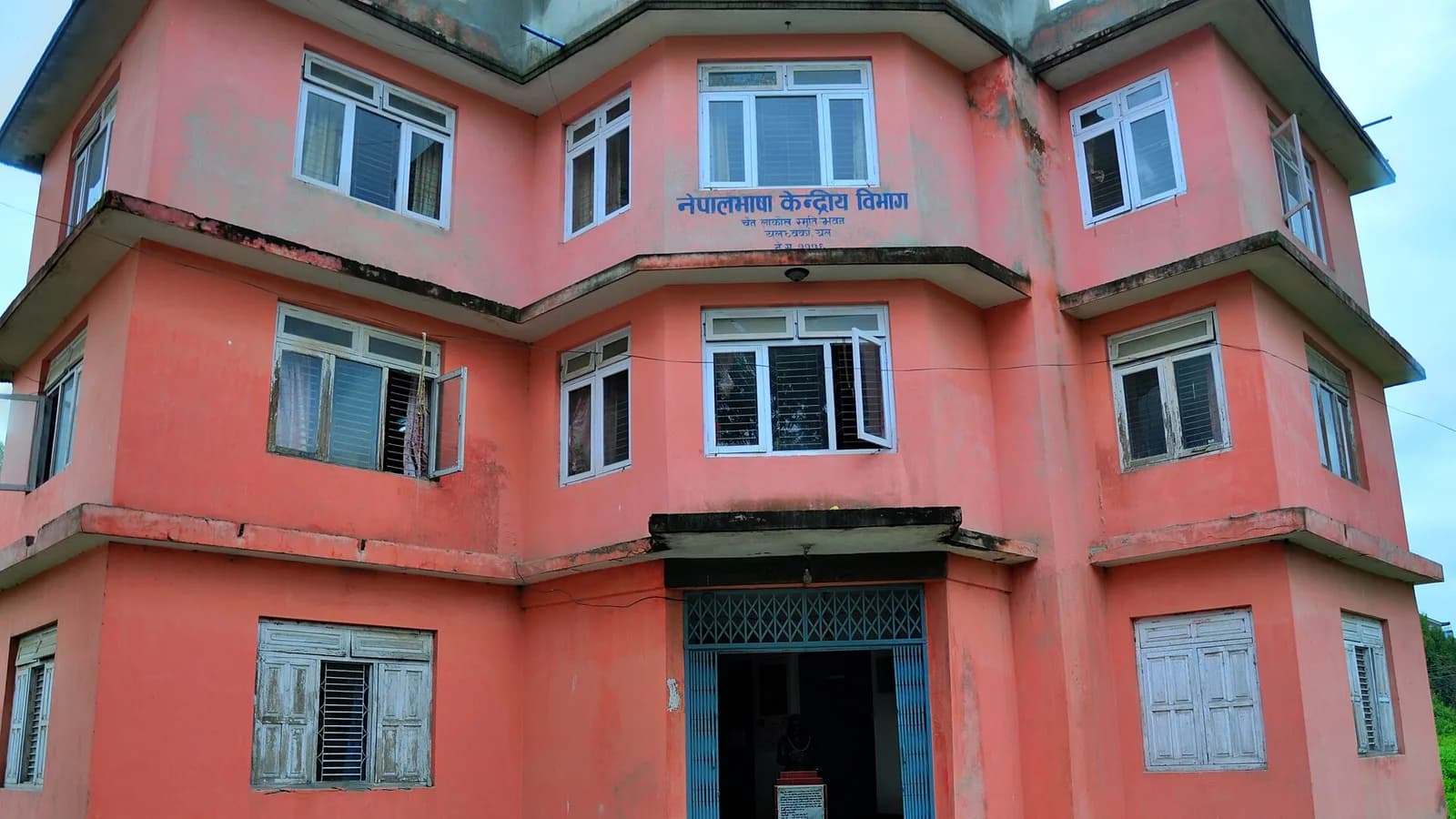
Studying in Nepal is something most foreigners never consider — the country is far better known for its mountains than its lecture halls. Yet Nepal has a long history of welcoming international students, particularly in fields where it has genuine depth, from medicine to Buddhist and Himalayan studies. Its universities offer English-taught programmes, some of the lowest tuition and living costs in the region, and a setting that no campus elsewhere can replicate. This guide explains how to study in Nepal as a foreigner: the main universities, the popular fields, how the student visa works and what it all costs. If you are weighing teaching rather than studying, see our companion guide on teaching English in Nepal.
Key takeaways
- Nepal's main universities — Tribhuvan, Kathmandu, Pokhara and Purbanchal — admit international students across undergraduate, master's and PhD levels.
- Popular fields for foreigners include medicine, Buddhist and Himalayan studies, development studies, engineering and language studies.
- Kathmandu University and Pokhara University offer many programmes taught in English, making them the most accessible to applicants from abroad.
- You need a student visa from the Department of Immigration, issued on the Ministry of Education's recommendation after you secure admission.
- Self-funded students are generally asked to show at least USD 3,000 per year, with a visa fee around USD 40 per month (as of early 2026).
- Living costs are low, but always confirm tuition, fees and visa figures directly with the institution.
Why consider Nepal
Nepal's appeal as a study destination rests on a few specific strengths rather than global rankings. Cost is the obvious one: both tuition and the cost of living are low by international standards, which makes a full degree achievable on a modest budget. Subject depth is another — Nepal is a natural home for Buddhist and Himalayan studies, development and environmental fields, and it has a large, long-established medical-education sector. And then there is the setting: studying in Nepal means living somewhere with extraordinary culture, hospitality and landscapes on the doorstep. It is not the place to chase a top-50 world research university, but for the right field and the right student it offers things money usually cannot buy elsewhere.
The main universities
Nepal has a mix of public and private universities. A handful account for most international enrolment, and they differ in character.
Tribhuvan University
Located in Kirtipur on the edge of Kathmandu, Tribhuvan University (TU) is the oldest and largest university in Nepal and draws students from across the country and abroad. Its scale means an enormous breadth of programmes across engineering, humanities, science, management and more, and its fees are among the most affordable. TU is a public institution and the backbone of Nepali higher education.
Kathmandu University
Kathmandu University (KU) is an autonomous, not-for-profit institution established by an Act of Parliament in 1991, based in Dhulikhel, about 30 km east of Kathmandu in a quieter, modern setting. KU offers bachelor's, master's and PhD programmes across engineering, science and technology, business, education, arts, and medical and health sciences — most of them taught in English — and it runs exchange partnerships with foreign universities. It is widely regarded as one of Nepal's most innovative universities and is a natural first stop for many international applicants.
Pokhara and Purbanchal Universities
Pokhara University and Purbanchal University round out the main options. Pokhara University, in Nepal's lakeside adventure capital, offers a range of English-taught programmes and is strong in management, engineering and health sciences. Purbanchal University, in the east, has a broad affiliated-college network. Both widen the choice of English-medium professional degrees beyond the two best-known names.
Popular fields of study
International students in Nepal cluster in a recognisable set of fields:
- Medicine — by some distance the most popular field for foreign students, especially from neighbouring countries; we cover it in detail in our MBBS in Nepal guide.
- Buddhist and Himalayan studies — Nepal, as the birthplace of the Buddha, is a serious centre for Buddhist philosophy and language study, including dedicated institutes.
- Development and social sciences — a natural fit given Nepal's role as a hub for development work across South Asia.
- Engineering and information technology — strong, growing and largely English-medium at the main universities.
- Hospitality, tourism and language studies — increasingly popular, and closely tied to the country's tourism economy.
If your interest is the Buddhist heritage specifically, our guides to Lumbini, the birthplace of Buddha and Buddhism in Nepal give useful background on why the country is such a centre for these studies.
The language of instruction
Language is the practical hinge for most international applicants. The good news is that several institutions — Kathmandu University and Pokhara University foremost among them — teach a wide range of programmes in English, and English-medium instruction is the norm in professional fields like medicine, engineering and management. However, some humanities, language and culture programmes are delivered in Nepali, and at a large public university the medium can vary by department. Always confirm the language of instruction for your specific course before you commit. Even where your degree is in English, picking up some Nepali transforms daily life — our free Nepali lessons and phrasebook are built for exactly that, and our take on how hard Nepali is for English speakers sets realistic expectations.
The student visa, step by step
Studying in Nepal requires a student visa, which is issued by the Department of Immigration to foreign students pursuing academic study or research, on the recommendation of the Ministry of Education. The sequence matters:
- Secure admission to a recognised Nepali institution and obtain an official acceptance or admission letter.
- The institution forwards its recommendation to the Ministry of Education, which recommends the case to the Department of Immigration.
- Submit the visa application with a completed form, a valid passport, passport-size photographs and the admission letter.
- Show proof of funds if you are self-funded — generally a minimum of USD 3,000 per year or the equivalent in Nepali rupees.
Student visas are normally issued for one year and can be renewed annually for the duration of the programme. Official guidance lists a study-visa fee in the region of USD 40 per month (as of early 2026), though fees can be waived where there is a pre-existing agreement and a Ministry of Education recommendation to do so. Because rules and figures change, verify the current requirements on the official Department of Immigration portal before you budget. Note that a student visa is for studying — working on it is a separate matter, as our teaching English in Nepal guide explains.
Costs and daily life
Tuition in Nepal varies enormously by field: a general arts, science or management degree is inexpensive, while professional degrees — medicine above all — run into the tens of thousands of dollars over the full course. Against that, living costs are low: accommodation, food and transport are all cheap by international standards, which is a large part of Nepal's appeal as a study destination. Our guides to whether Nepal is expensive and a realistic daily budget for Nepal give a sense of what month-to-month life costs, while Kathmandu first-timer's guide and where to stay in Kathmandu help with settling into the city most students will be based in.
Is it right for you?
Studying in Nepal makes most sense if your field aligns with the country's strengths — medicine, Buddhist and Himalayan studies, development, or English-taught engineering and management — and if you are drawn to the place itself. You trade global brand-name rankings for low costs, genuine subject depth in specific areas, and a student experience embedded in one of the most remarkable corners of the world. Do the groundwork — confirm the programme's accreditation, its language of instruction, the full cost and the exact visa route — and for the right student, Nepal can be a rewarding and affordable place to earn a degree.
Sources
Frequently asked questions
- Can international students study in Nepal?
- Yes. Nepal's universities admit foreign students into undergraduate, postgraduate and PhD programmes, and the country is a long-established destination for international students in fields like medicine, Buddhist studies and development. You apply directly to the institution for admission, then use the admission letter to obtain a student visa from Nepal's Department of Immigration on the recommendation of the Ministry of Education.
- What can you study in Nepal as a foreigner?
- Popular fields among international students include medicine, Buddhist and Himalayan studies, development studies, language studies and engineering. Hospitality and tourism, social sciences and information technology have also grown in popularity. Universities such as Kathmandu University and Pokhara University offer a wide range of programmes taught in English, which makes them the most accessible to applicants from abroad.
- Are university courses in Nepal taught in English?
- Many are. Several institutions, notably Kathmandu University and Pokhara University, deliver a broad range of programmes in English, and English-medium teaching is common in professional fields like medicine, engineering and management. Some humanities and language programmes are taught in Nepali, so always confirm the language of instruction for your specific course before applying.
- How much does it cost to study in Nepal?
- Tuition varies widely by field and institution, with professional degrees like medicine costing far more than general arts or science programmes. Living costs are low by international standards. For the student visa, self-funded applicants are generally asked to show proof of at least USD 3,000 per year, and the visa itself carries a fee in the region of USD 40 per month (as of early 2026). Always confirm current figures with the institution and the immigration department.
- How do I get a student visa for Nepal?
- First secure admission and an acceptance letter from a recognised Nepali institution. The institution's recommendation goes to the Ministry of Education, which in turn recommends the case to the Department of Immigration, who issue the student visa. You submit a visa application form, a valid passport, passport photos and the admission letter, and self-funded students show proof of funds. Visas are normally issued for one year and renewed annually for the length of the course.
- Is Nepal a good place to study abroad?
- It depends on your goals. Nepal offers low costs, English-taught options at several universities, strength in specific fields such as medicine and Himalayan and Buddhist studies, and an extraordinary cultural and natural setting. It is less suited to those seeking globally top-ranked research universities. For the right field and the right student, especially those drawn to the region itself, it can be an excellent and affordable choice.
Related posts
MBBS in Nepal: A Guide for International Students
Studying MBBS in Nepal: course length, the regulated fee structure, eligibility, recognition and the admission process for international students.
Read postTeaching English in Nepal: A Practical Guide
Teaching English in Nepal: how the work visa and study visa rules really work, who hires foreign teachers, typical pay and how to find an ethical role.
Read postATMs in Nepal: What Changed in 2026 (Fees & Limits)
A 2026 update on ATMs in Nepal — new withdrawal limits, the fee-saving trick most travellers miss, and where machines actually work.
Read post