MBBS in Nepal: A Guide for International Students
Studying MBBS in Nepal: course length, the regulated fee structure, eligibility, recognition and the admission process for international students.
Nepal trains doctors on a five-and-a-half-year MBBS with government-capped fees and globally recognised degrees — which is why it draws so many international medical students.
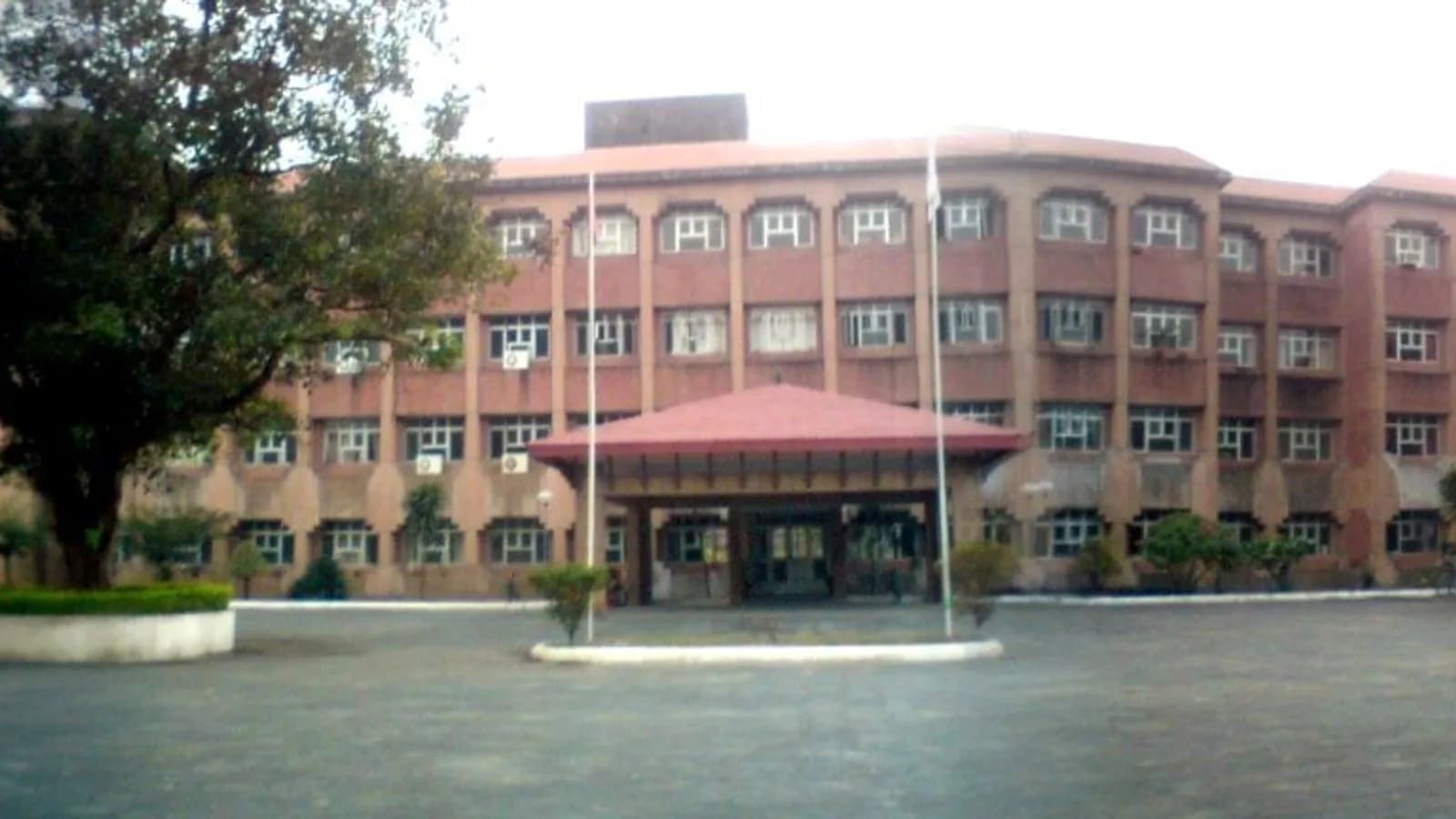
Studying MBBS in Nepal has become a well-trodden path for international medical students, especially from neighbouring countries. The appeal is straightforward: a globally recognised medical degree, a curriculum and teaching language familiar to students from across South Asia, and — crucially — a government-regulated fee structure that caps what colleges can charge. This guide gives an honest overview for international students: how long the course is, what it costs under the regulated ceiling, the eligibility rules, how recognition works and how admission runs. It is a deeper companion to our broader guide on studying in Nepal as a foreigner.
This is general information for orientation, not admissions or immigration advice. Always verify current fees, eligibility and recognition directly with the college, Nepal's Medical Education Commission and the medical regulator of the country where you intend to practise.
Key takeaways
- The MBBS in Nepal runs five and a half years: roughly 4.5 years of academic study plus a compulsory one-year internship.
- Fees are capped by the Medical Education Commission (MEC) — for academic year 2081 the ceiling was NPR 4,023,250 inside the Kathmandu Valley and NPR 4,595,720 outside it (as of the 2024–25 intake).
- Eligibility generally needs 10+2 with Physics, Chemistry and Biology and a minimum aggregate (commonly 50% for general category), with a minimum age of 17.
- Indian students must qualify in NEET, and an entrance examination applies for admission.
- Top colleges are recognised internationally, including by the WHO, but recognition is college-specific — verify it for your intended country of practice.
- Admission usually opens around September–October; confirm each year's dates with the MEC and colleges.
Why Nepal for medicine
For students across South Asia in particular, Nepal sits in a practical sweet spot. The MBBS is taught in English, the curriculum is broadly familiar, and the country is geographically and culturally close for many applicants. Most importantly, medical education is tightly regulated: Nepal's Medical Education Commission sets a uniform fee ceiling that colleges cannot exceed, which brings a transparency to costs that is not always present in private medical education elsewhere. Combine that with degrees that are recognised by major international bodies, and Nepal becomes a serious option for students who meet the entry bar but want a regulated, English-medium route into medicine.
How long the course takes
The MBBS in Nepal is a five-and-a-half-year programme. The structure is:
- Roughly four and a half years of academic training, covering pre-clinical sciences in the early years and clinical subjects later, taught through lectures, laboratories and hospital postings.
- One year of compulsory rotating internship, in which students work under supervision across hospital departments before they qualify.
The internship is not optional — it is an integral, examined part of the degree and the reason the full timeline runs to 5.5 years rather than the bare academic component. Prospective students should plan their finances and timelines around the complete period, including the internship year.
The regulated fee structure
This is where Nepal stands out, so it is worth getting precise. Nepal's Medical Education Commission (MEC) sets a fee ceiling that all colleges must respect, with separate caps for institutions inside and outside the Kathmandu Valley. For the 2081 academic year, the published ceilings were:
| College location | MEC fee ceiling (MBBS) | |---|---| | Inside Kathmandu Valley | NPR 4,023,250 | | Outside Kathmandu Valley | NPR 4,595,720 |
Medical Education Commission fee ceiling for MBBS, academic year 2081 (as of the 2024–25 intake). The higher cap outside the valley reflects different operating costs. Confirm the current year's figures with the MEC.
A few things to understand about these numbers. They are ceilings, meaning a college cannot charge more, though the structure and any permitted instalment options vary by institution — some colleges allow staged payments across the course. The figures cover tuition over the full programme; on top of that you should budget separately for hostel, food, books and day-to-day living, which our daily budget for Nepal and is Nepal expensive guides can help you estimate. And because the MEC reviews fees, always check the current academic year's ceiling rather than relying on an older figure.
Eligibility and entrance
The entry requirements for MBBS in Nepal follow a familiar pattern for medical schools in the region:
- Academic background: completion of 10+2 or equivalent with Physics, Chemistry and Biology as core subjects.
- Minimum marks: typically a minimum aggregate in the science subjects — commonly 50% for general-category students, with relaxations in some categories.
- Minimum age: usually 17 years at the time of admission.
- Entrance examination: admission to Nepali medical colleges is governed by an entrance test under the Medical Education Commission's framework.
- NEET for Indian students: Indian applicants must qualify in NEET to be admitted and to have the degree recognised back home.
Because exact cut-offs and category rules are periodically revised, treat the above as the general shape and verify the precise criteria for your application year with the college and the Commission.
Recognition and practising afterwards
A medical degree is only as useful as the places it lets you practise, so recognition deserves careful attention. The top medical colleges in Nepal are recognised by major international bodies, including the World Health Organization, and graduates routinely go on to sit the licensing or screening examinations required to practise in their home countries — for example, the screening test that Indian graduates of foreign medical schools must pass to register in India.
The critical caveat is that recognition is college-specific and country-specific. Not every college carries every recognition, and the rules for converting a foreign MBBS into a licence to practise differ by country and change over time. Before you enrol, do two things: confirm that your specific college appears on the relevant approved or recognised list, and check the current licensing pathway for the exact country where you plan to work. This single piece of due diligence matters more than almost anything else in the decision.
The admission process
The MBBS admission cycle in Nepal generally opens around September to October, when colleges and the Medical Education Commission release applications and information for the new session, and then runs on through entrance results, counselling and seat allocation in the following months. Exact dates move year to year. In broad terms, an international applicant should expect to: qualify in the required entrance test (and NEET, for Indian students); apply within the published window; go through counselling or college-level selection; and then complete admission formalities. Run all of this in parallel with the student visa process — our studying in Nepal guide explains how Nepal's student visa is issued by the Department of Immigration on the Ministry of Education's recommendation once you hold an admission letter.
Things to weigh before you decide
An MBBS in Nepal is a major, multi-year commitment, so it helps to go in clear-eyed about the trade-offs. On the positive side: the fee transparency from the regulated ceiling, the English-medium teaching, the geographic and cultural closeness for many regional students, and the international recognition of the top colleges. On the side to scrutinise: medicine is expensive in absolute terms even at the capped fee, the entrance bar is real with NEET and an entrance test to clear, and recognition must be verified college by college rather than assumed for the country as a whole. There is also the practical reality of relocating to a new country for the best part of six years, including the internship. None of these is a reason against studying in Nepal, but each is a reason to research your specific college and pathway thoroughly rather than relying on headline summaries.
Practical preparation
Beyond the paperwork, a few practical points smooth the move. Most international medical students will be based in or near Kathmandu or a regional college town for years, so it pays to understand daily life early — our Kathmandu first-timer's guide and where to stay in Kathmandu are useful starting points. Picking up some Nepali also helps enormously in a clinical setting where you will meet patients who speak little English; our free Nepali lessons and phrasebook are a practical place to begin. And sorting routine travel-health basics before you arrive is sensible — see our overview of vaccinations for Nepal, alongside professional medical advice.
Studied with eyes open — the right college, verified recognition, a clear view of the full 5.5-year cost — an MBBS in Nepal can be a solid, regulated and internationally recognised route into medicine. The homework you do before you apply is what makes the difference.
Sources
- Fees for Academic Year 2081 for MBBS, BDS, MD/MS — Medical Education Commission (via Edusanjal)
- Fee Structure — Medical Education Commission
- Study MBBS in Nepal 2026-27: Fees & Admission — Eklavya Overseas
- MBBS in Nepal 2026-27: Admission, Fees & Rankings Guide
- Study Visa — Department of Immigration, Nepal
Frequently asked questions
- How long is the MBBS course in Nepal?
- The MBBS in Nepal lasts five and a half years. This breaks down into roughly four and a half years of pre-clinical and clinical academic training followed by a compulsory one-year rotating internship. The internship is an integral part of the degree, giving supervised hospital experience before graduation, so the full programme from enrolment to qualification takes five-and-a-half years.
- How much does MBBS in Nepal cost?
- Fees are regulated by Nepal's Medical Education Commission, which sets a ceiling. For the 2081 academic year the cap was NPR 4,023,250 for colleges inside the Kathmandu Valley and NPR 4,595,720 for colleges outside the valley (as of the 2024–25 intake). On top of tuition, budget for hostel, food and living costs. Always confirm the current regulated fee with the college and the Commission before you commit.
- Is an MBBS from Nepal recognised internationally?
- Top medical colleges in Nepal are recognised by major bodies including the World Health Organization, and graduates can sit licensing examinations in several countries, such as the screening test required to practise in India. Recognition is college-specific, so before enrolling you must verify that your chosen college appears on the relevant approved lists for the country where you intend to practise.
- What is the eligibility for MBBS in Nepal?
- Applicants generally need to have completed 10+2 or its equivalent with Physics, Chemistry and Biology as core subjects, with a minimum aggregate (commonly 50% for general-category students) in those science subjects. There is usually a minimum age of 17 at admission. Indian students must also qualify in NEET, and an entrance examination applies for admission to Nepali medical colleges.
- Do Indian students need NEET to study MBBS in Nepal?
- Yes. Indian students must qualify in NEET, the National Eligibility cum Entrance Test, to take admission to medical colleges in Nepal and to have the degree recognised for practice in India. Admission is also governed by Nepal's Medical Education Commission, which oversees the entrance and fee framework. Check the latest NEET and Commission requirements before applying, as they are periodically updated.
- When does MBBS admission in Nepal start?
- The MBBS admission cycle in Nepal typically opens around September to October, when colleges and the Medical Education Commission release applications, and continues into the following months through counselling and seat allocation. Exact dates shift year to year, so track the Medical Education Commission's announcements and the individual colleges for the current session's schedule.
Related posts
Study in Nepal: A Guide for International Students
How to study in Nepal as a foreigner: the main universities, popular fields, English-taught programmes, the student visa process and what it costs.
Read postTeaching English in Nepal: A Practical Guide
Teaching English in Nepal: how the work visa and study visa rules really work, who hires foreign teachers, typical pay and how to find an ethical role.
Read postATMs in Nepal: What Changed in 2026 (Fees & Limits)
A 2026 update on ATMs in Nepal — new withdrawal limits, the fee-saving trick most travellers miss, and where machines actually work.
Read post