Is Nepal Expensive? An Honest 2026 Cost Answer
Is Nepal expensive? The short answer is no — but here is what is genuinely cheap, what surprises people, and how Nepal ranks against the rest of Asia.
Nepal is one of the cheapest countries in Asia to travel — right up until you board a mountain flight or pour a glass of wine.
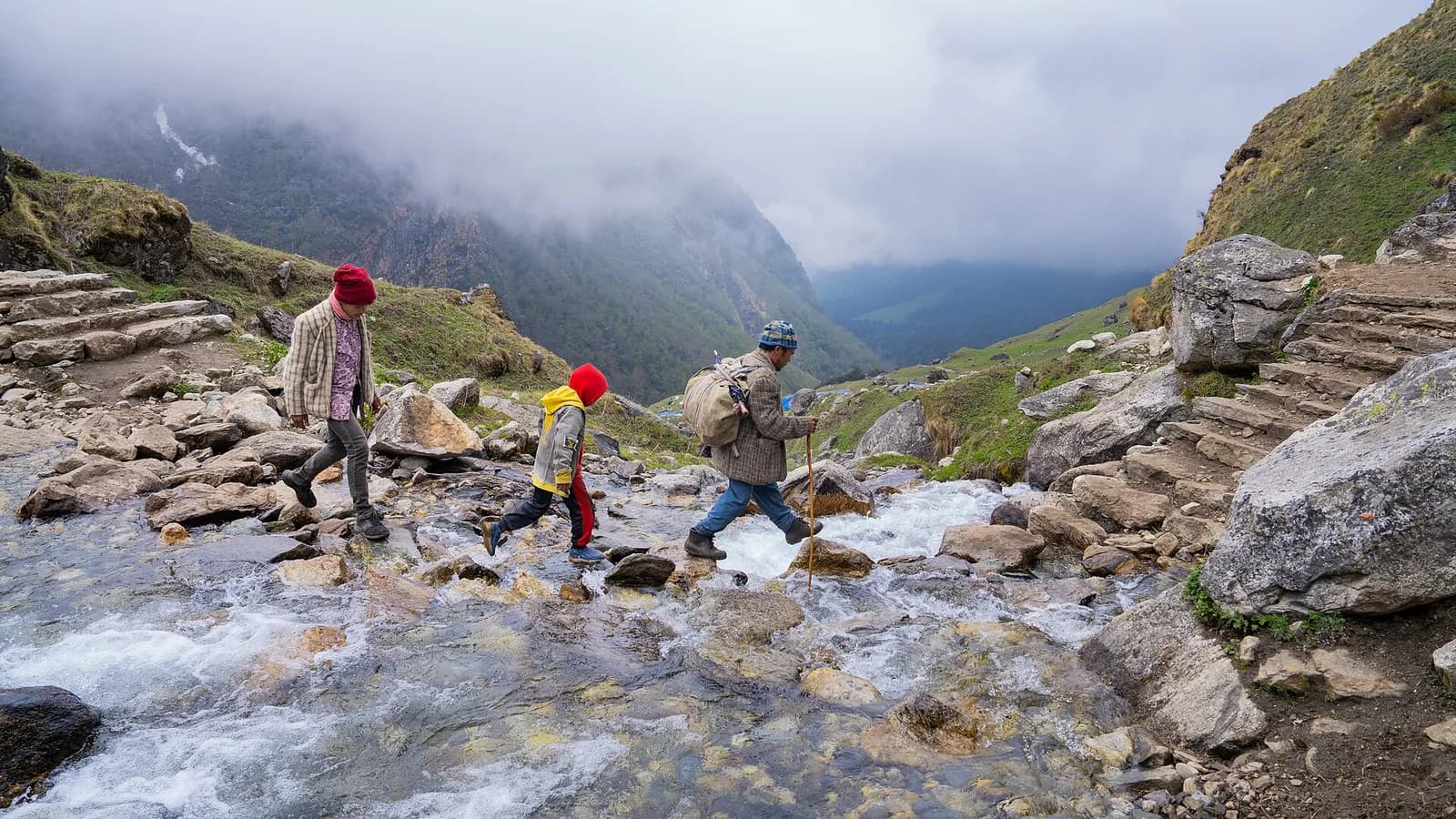
"Is Nepal expensive?" is one of the first questions travellers ask, and the honest answer is reassuring: no, Nepal is one of the cheaper countries in Asia to visit. But "cheap" is only half the story. The same trip can stay astonishingly affordable or quietly balloon depending on a handful of choices — whether you fly or take the bus, eat local or Western, and how much trekking you do. This post tackles the is Nepal expensive question head-on: what is genuinely cheap, what catches people off guard, and how Nepal stacks up against its neighbours.
If you want a full line-by-line plan with daily totals for three trip styles, our companion piece — the Nepal travel budget guide — does that in detail. Here we focus on the value question: is it cheap or not, and where exactly does the money go.
All figures below are stamped with currency and date and drawn from recent traveller data and official sources, linked at the end. Prices move and the rupee shifts against the dollar, so treat these as planning numbers.
Key takeaways
- Nepal is cheap by global and regional standards. Numbeo puts the cost of living roughly 68.7% below the United States, with rent about 92.4% lower (as of June 2026).
- It ranks among the four cheapest countries in Asia to travel, at around US$39.68 a day on average — just under India and far below most of Southeast Asia (Budget Your Trip, 2026).
- Daily spending is tiny: budget travellers average about US$15 a day, mid-range about US$41, luxury about US$124 (Budget Your Trip).
- The expensive bits are domestic flights, trekking permits and guides, imports, and alcohol — not the everyday stuff.
- Dal bhat is the value hero at US$2–4 with free refills; tourist-cafe Western food costs three to four times more.
- The tourist visa (US$30 / 50 / 125 for 15 / 30 / 90 days) is a separate one-off, not a daily cost.
The short answer: no, Nepal is cheap
By almost any measure, Nepal is inexpensive. The crowd-sourced cost-of-living site Numbeo estimates that living costs in Nepal run about 68.7% lower than in the United States, and rent roughly 92.4% lower (as of June 2026). For a traveller, that translates into cheap food, cheap local transport and cheap basic rooms.
The everyday baseline is what makes Nepal feel like a bargain. In the Indian subcontinent — Nepal included — a simple local meal can cost under US$1, and dorm beds in the tourist districts start at just a few dollars. You can fill a day with temples, lake walks and mountain views that cost little or nothing to enjoy.
So if your mental image of "expensive travel" is Western Europe or Japan, Nepal will feel almost free by comparison. The nuance is entirely in the exceptions, which we'll get to below.
How Nepal compares to the rest of Asia
It helps to see Nepal next to its neighbours rather than in isolation. According to 2026 travel-cost rankings from Budget Your Trip, Nepal is the fourth cheapest country in Asia for travellers, sitting just below India and well under the popular Southeast Asian routes.
| Country | Average travel cost per day (2026) | | --- | --- | | Laos | US$22.47 | | Kazakhstan | US$24.34 | | Mongolia | US$29.81 | | Nepal | US$39.68 | | India | US$40.34 |
A few takeaways from that table:
- Nepal and India are effectively a tie. If you've travelled India on a budget, Nepal will feel familiar in price — a touch cheaper on average. Our Nepal vs India travel comparison digs into the experience side of that choice.
- A handful of countries are cheaper still — Laos, Kazakhstan and Mongolia — but the gap is modest, and none offers the same density of high-Himalayan trekking.
- Nepal undercuts most of mainland and maritime Southeast Asia for day-to-day spending, which surprises travellers who assume Thailand or Vietnam is the budget benchmark.
Against pricier mountain destinations the contrast is sharper still: see our Nepal vs Bhutan piece, where Bhutan's mandatory daily fee puts it in a completely different bracket.
What is genuinely cheap
These are the categories where Nepal delivers its bargain reputation, and where a careful traveller barely feels the spend.
Local food
The national dish, dal bhat — rice, lentil soup, vegetable curry and pickle — typically costs about US$2–4 at a local eatery and traditionally comes with free refills, so you eat until genuinely full for a couple of dollars. Momos and noodle soups are usually just US$1–3. Leaning into Nepali food is the single biggest lever on a Nepal budget. Our guide to what to eat in Nepal maps out the cheap, filling staples worth seeking.
Local transport
Day-to-day movement is almost absurdly cheap. City buses and shared rides often cost a fraction of a dollar, and even tourist buses between major cities, such as Kathmandu to Pokhara, run only around US$10–16. Taking buses instead of flights is the biggest single saving on most trips.
Rooms and sights
Dorm beds in Kathmandu's Thamel commonly start at a few US dollars, and simple private rooms are modest too. Most temples, lakes and viewpoints are free or charge only a small entry fee. The mountains, of course, cost nothing at all to look at.
What is surprisingly expensive
This is where the "Nepal is cheap" story gets complicated. A few categories cost far more than the everyday baseline, and they're exactly the ones travellers underestimate.
Domestic flights
Flying inside Nepal is not cheap. A one-way flight to Lukla, the gateway to Everest, runs roughly US$180–200 as of 2025, and other tourist routes are priced for foreigners too. A single mountain flight can cost more than several days of everything else combined. Where time allows, the overland alternative — see the Kathmandu to Pokhara tourist bus — saves a great deal.
Trekking permits, guides and altitude
Trekking is the part of a Nepal trip that genuinely adds up, and it's worth treating as its own budget. The costs stack:
- Permits. National-park and conservation-area entry fees apply, with foreigners paying considerably more than locals — the Sagarmatha (Everest) park fee, for example, is set far above the Nepali-citizen rate.
- Guides and porters. A guide commonly costs about US$25–35 a day and a porter around US$20–25 (2025), which over a two-week trek is a meaningful sum.
- The altitude premium. Food and lodging get pricier the higher you climb, because everything is carried up by porter, pack animal or helicopter. A plate of dal bhat that costs about US$5 low on the Everest trail can reach US$10–12 at Gorak Shep near Base Camp.
Put together, a standard guided Everest Base Camp package from a local agency typically runs about US$1,250–1,800 (2025), covering flights, permits, lodging, food and staff. Our Everest Base Camp trek cost guide breaks that down piece by piece.
Imported goods, Western food and alcohol
Anything that isn't local carries a premium. Tourist restaurants serving Western dishes typically charge three to four times local prices, with mid-range Western mains commonly US$7–20 as of early 2026. Supermarket imports cost more than fresh local produce because imported goods attract a 13% value-added tax on top of customs duty.
Alcohol is the standout. Beer, wine and spirits are heavily taxed and are a significant source of government revenue. The 2025–26 national budget raised customs duties on alcohol, beer and tobacco again, so an imported beer or glass of wine can feel jarringly expensive next to a US$3 meal. If your idea of a holiday involves nightly drinks, that line item will dominate your spending.
A quick "cheap vs pricey" cheat sheet
| Genuinely cheap | Surprisingly pricey | | --- | --- | | Dal bhat and local meals (US$2–4) | Western food in tourist cafes (US$7–20) | | City and tourist buses (cents to US$16) | Domestic flights (around US$180–200 to Lukla) | | Dorms and basic rooms (a few dollars up) | Trekking permits, guides and porters | | Temples, lakes and mountain views | Imported snacks, wine and beer |
The pattern is clear: stay local and overland and Nepal is one of the cheapest trips in Asia; go imported, airborne and high-altitude and the bill climbs fast.
So how much should you actually budget?
Pulling the numbers together, here's the realistic daily range as of early 2026 — closely echoing the averages reported by Budget Your Trip.
| Style | Typical daily spend | Notes | | --- | --- | --- | | Frugal backpacker | US$15–30 | Dorms, dal bhat, local and tourist buses, free sights | | Mid-range | US$40–100 | Private rooms, mixed meals, the odd flight | | Comfort / luxury | US$120+ | Boutique hotels, fine dining, private transport |
Then add the one-offs that sit outside daily spending: the tourist visa (US$30 / 50 / 125 for 15 / 30 / 90 days, as of 2026), any trek as a self-contained line, and international flights. Our Nepal trip cost breakdown shows how those totals come together, and the full budget guide walks through worked two-week examples.
One money habit that matters
Nepal runs largely on cash. Most local restaurants, small guesthouses, buses and rural areas don't take cards, and once you leave the trailhead towns on a trek there are few or no ATMs. Carry rupees for daily spending, withdraw in the cities, and keep some US dollars for the visa fee. That single habit prevents most "stuck without money" moments — and a little Nepali helps too, so brush up on numbers and bargaining before the markets.
The verdict
Is Nepal expensive? No — it is one of the best-value destinations in Asia, with everyday costs well below the United States and most of the region. The catch is that the country's headline experiences — flying into the mountains, trekking to Base Camp, drinking imported wine — sit in a much higher price bracket than the dal-bhat-and-bus baseline. Plan around that split, lean local where you can, and price your trek and flights separately, and Nepal stays the bargain its reputation promises.
Sources
- Cost of Living in Nepal — Numbeo (Jun 2026)
- Asia: Travel Cost Rankings by Country (2026) — Budget Your Trip
- Nepal Travel Cost — Budget Your Trip
- Tourist Visa — Nepal Department of Immigration
- Everest Base Camp Trek Cost: Definitive Budget Guide 2025 — Nepal Everest Base Camp
- Money Tips for Nepal: An Essential Cost Guide — World Nomads
- Government Hikes Customs Duties on Alcohol, Beer, Tobacco and Cigarettes — Fiscal Nepal
- Nepal — Import Tariffs — U.S. International Trade Administration
Frequently asked questions
- Is Nepal expensive to travel in?
- No. Nepal is one of the most affordable countries in Asia for travellers, especially for food, local transport and basic rooms. As of early 2026 a frugal backpacker can manage on roughly 15 to 30 US dollars a day in the cities. Costs only spike around trekking permits, domestic flights, imported goods and alcohol.
- Is Nepal cheaper than India or Thailand?
- Nepal and India sit at almost the same daily travel cost, with Nepal a touch cheaper on average according to 2026 Budget Your Trip rankings. Both are noticeably cheaper than Thailand for day-to-day spending, though Thailand has cheaper domestic flights. Nepal ranks among the four cheapest countries in Asia to travel.
- What is surprisingly expensive in Nepal?
- The big surprises are domestic flights, trekking permits and guide wages, and anything imported. A Lukla flight alone is around 180 to 200 US dollars one way as of 2026. Western food in tourist cafes, supermarket imports, wine and beer all cost far more than local equivalents because of taxes and transport.
- How much is a meal in Nepal?
- A plate of dal bhat at a local eatery is often about 2 to 4 US dollars and traditionally comes with free refills. In a tourist restaurant serving Western dishes the same hunger costs three to four times more, with mid-range Western mains commonly running 7 to 20 US dollars as of early 2026.
- Why is alcohol expensive in Nepal?
- Beer, wine and spirits are heavily taxed in Nepal and are a significant source of government revenue. The 2025 to 2026 national budget raised customs duties on alcohol, beer and tobacco again, so imported drinks in particular carry a steep markup over local food and soft drinks.
- Is trekking in Nepal expensive?
- Trekking is the part of a Nepal trip that costs real money. A standard guided Everest Base Camp package from a local agency typically runs about 1,250 to 1,800 US dollars as of 2025, covering flights, permits, lodging, food and staff. Lower treks reached by bus instead of plane are much cheaper.
- How much does the Nepal tourist visa cost?
- As of 2026 the tourist visa on arrival costs 30 US dollars for 15 days, 50 dollars for 30 days and 125 dollars for 90 days, paid in cash at the airport. The online e-visa costs the same. It is a one-off fee, so budget it separately from your daily spending.
- Can you travel Nepal on a tight budget?
- Yes. By staying in dorms, eating dal bhat, taking local and tourist buses instead of flights, and limiting paid activities, many travellers keep daily spending in the low tens of US dollars. The mountains and most temples cost little or nothing to look at, which keeps a tight budget realistic.
Related posts
Daily Budget Nepal: Set a Number That Sticks
A daily budget for Nepal you can actually hold to — sample day sheets by traveller type and location, plus cash habits that keep spending on track.
Read postHow Much Does a Trip to Nepal Cost? Quick Answer
How much does a trip to Nepal cost? A fast ballpark for flights, visa, daily spend and trekking, plus the few choices that swing the total most.
Read postNepal Trip Cost: How Much a Whole Trip Adds Up To
How much does a trip to Nepal cost? A line-by-line breakdown of flights, visa, trekking, food and transport, with worked totals for three trip styles.
Read post