Nepali Wedding Traditions: Rituals, Customs and Meaning
A guide to Nepali wedding traditions: swayamvar, kanyadaan, the seven steps around the fire, sindoor and more, plus what to expect as a guest.
Seven steps around the sacred fire, and two families become one.
A Nepali wedding, or bihe, is one of the most vivid windows into the country's culture: a layered sequence of rituals where Sanskrit rites, family duty, color, music and feasting come together over one long day or several. For a Hindu Nepali couple, marriage is not just the union of two people but of two families, sealed before a sacred fire and witnessed by relatives, neighbors and gods. This guide walks through the main Nepali wedding traditions and what they mean, and what to expect if you are lucky enough to attend one as a guest.
Key takeaways
- A traditional Hindu Nepali wedding is a multi-stage series of rituals, often spread over two or more days.
- The swayamvar (garland and ring exchange) is the public moment when the couple accept each other before both families.
- The saat phera, seven rounds around a sacred fire, and kanyadaan, the father's giving of the bride, are the spiritual heart of the ceremony.
- Sindoor (red vermilion) and the tilhari necklace are traditional signs of a married Hindu woman.
- Customs vary enormously across Nepal's Hindu, Buddhist, Newar, Kirat and other communities, so no single wedding looks like another.
- As a guest, dress modestly and colorfully, bring goodwill, and follow your hosts' lead.
Marriage in Nepali culture
Marriage holds a central place in Nepali life, traditionally seen as a sacred duty and a milestone that binds extended families together. Historically most marriages were arranged by families, often with the help of a go-between and a matching of horoscopes, and that practice continues alongside a steady rise in love marriages and intercaste unions, especially in cities.
Because Nepal is home to many religions and dozens of ethnic groups, "a Nepali wedding" is really a family of very different traditions. The rites described here are those of mainstream Hindu weddings, which are the most widespread, but Buddhist, Newar, Kirat, Muslim and Christian Nepalis each marry in their own way. Even the calendar matters: auspicious wedding seasons cluster in the cooler and post-harvest months, and dates are chosen with care from the Hindu almanac.
Before the wedding day
The celebration usually begins well before the main ceremony, with rituals that prepare the couple and invite blessings.
Engagement and matching
Once two families agree to a match, an engagement formalizes the intention, sometimes with an exchange of gifts and a shared meal. For arranged matches, families and priests may compare the couple's birth charts to confirm compatibility and to fix an auspicious date and time for the wedding.
Mehendi and pre-wedding gatherings
In the days before, the bride's hands and feet are often decorated with intricate mehendi (henna), accompanied by music, dancing and feasting among women of both families. These gatherings are joyful, informal counterpoints to the solemn rites that follow.
Choosing the date
Timing is never left to chance. Hindu families consult the patro, the Nepali almanac, and often a priest, to fix an auspicious date and hour (sait) for the main ceremony. Because the most favorable periods cluster in the cooler, post-monsoon and post-harvest months, wedding season in Nepal tends to concentrate from late autumn into early summer, with quiet stretches when the almanac considers marriages inauspicious. Travelers in those peak weeks will notice processions, marquees and decorated cars all over Kathmandu and the towns.
The wedding day rituals
The main day is a procession of ceremonies, each with its own meaning. The exact order and names vary by region and community, but the following form the recognizable core of a Hindu Nepali wedding.
| Ritual | What happens | |--------|--------------| | Janti | The groom's procession arrives and is welcomed | | Swayamvar | The couple exchange garlands and rings before guests | | Kanyadaan | The bride's father formally gives her to the groom | | Saat phera | Seven vowed rounds around the sacred fire | | Sindoor / tilhari | The groom marks the bride as married | | Bidaai | The bride departs for her new home |
The groom's procession
The groom typically travels to the wedding venue with a lively party of relatives and friends, sometimes with music, marking his arrival to claim his bride. He is welcomed by the bride's family at the threshold.
Swayamvar: the garland exchange
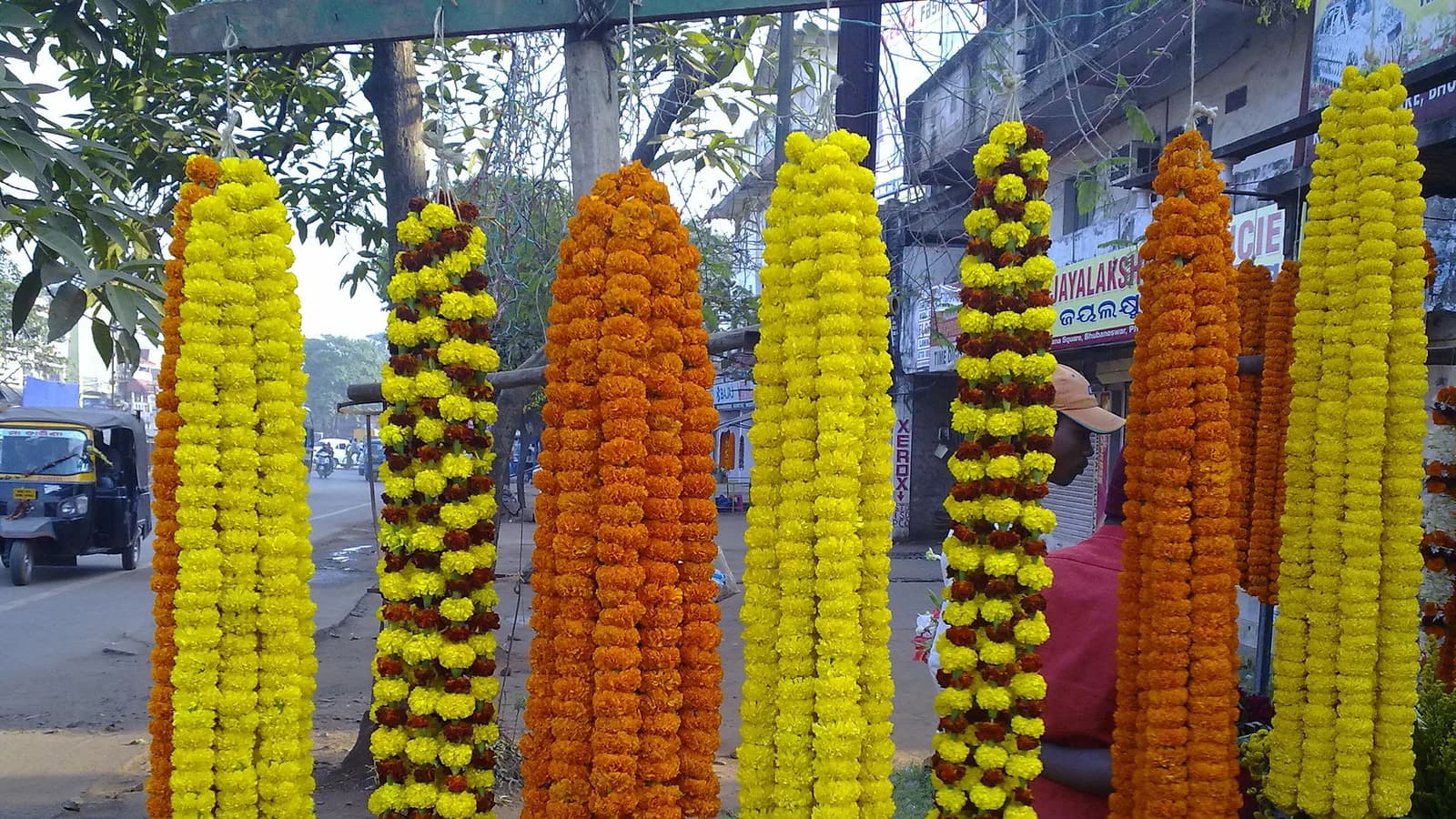
The word swayamvar means choosing one's partner, and in a modern wedding it is the public ceremony where bride and groom formally accept each other. A priest applies tika, a paste of red vermilion, yogurt and rice, to their foreheads, and the couple exchange garlands and rings as guests cheer. The garlands are sometimes made of doobo, a grass that does not wither, symbolizing a bond that will not dry or break.
Kanyadaan: the giving of the bride
Kanyadaan is among the most moving moments of the day. The bride's father formally gives his daughter to the groom, entrusting her to him and his household. In Hindu belief this is a sacred act of giving, and it is frequently when emotions, and tears, run highest.
Saat phera: seven steps around the fire
The couple are bound together by a knotted cloth, traditionally called the lagan gantho, and then circle a sacred fire seven times. Each of the saat phera carries a vow, for nourishment, strength, prosperity, happiness, children, health and lifelong friendship. The fire serves as the witness to the marriage, its presence believed to purify and protect the union.
Sindoor and tilhari
In one of the most recognizable rites, the groom applies sindoor, red vermilion powder, along the parting of the bride's hair using a holy cloth, and ties a tilhari, a necklace of beads and gold, around her neck. Together these mark her, in Hindu tradition, as a married woman. For many couples this is the emotional climax of the ceremony.
After the wedding
The rituals do not end when the fire dies down.
Bidaai: the farewell
In the bidaai, the bride leaves her parents' home to join her husband's family, a bittersweet departure that closes the bride's side of the celebration. It is a tender, often tearful, scene as she says goodbye to the home she grew up in.
Welcoming the bride
At the groom's house, a welcoming ceremony receives the new bride. Female relatives often perform aarti, circling lighted wicks and incense around the couple to bless their arrival, before the bride steps into her new home and is introduced to the household.
Beyond Hindu weddings
It is worth repeating that Nepal's wedding traditions are wonderfully varied:
- Newar weddings in the Kathmandu Valley include distinctive rites tied to Newar culture, including ceremonies unique to the community; our Newari food guide hints at the feasting that accompanies them.
- Buddhist ceremonies, common among Himalayan and Tibetan-influenced communities, center on blessings from lamas rather than a Vedic fire ritual; see our overview of Buddhism in Nepal.
- Kirat, Tharu, Gurung, Magar and many other groups maintain their own marriage customs, songs and dress.
This diversity is part of what makes Nepali culture so rich, and why two weddings in the same week can look almost nothing alike.
A changing institution
Like marriage everywhere, the Nepali wedding is evolving. Love marriages and intercaste unions are increasingly common, particularly among younger and urban couples, and court or civil registrations now sit alongside the religious rites. The traditional system of dowry persists in parts of the country, especially in the Terai, but it is legally discouraged and increasingly criticized, and many families consciously reject it. Modern weddings also tend to be shorter, compressing rituals that once spanned days into a single, full day, with photography and catering shaping the event as much as scripture.
Attending a Nepali wedding as a guest
If you are invited to a wedding while traveling, consider it an honor; Nepali hospitality treats guests with great warmth. A few pointers:
- Dress the part. Wear something modest and colorful. Avoid pure white or black, which carry associations with mourning. Bright reds, golds and greens suit the mood.
- Bring a gift. A cash gift in an envelope, or a thoughtful present, is customary and appreciated.
- Follow the flow. Ceremonies can run long and overlap with eating and socializing; relax into the slower pace rather than expecting a fixed schedule.
- Ask before photographing close-up rituals, and step back during the most solemn moments like kanyadaan and the fire rounds.
- Eat well. A wedding feast is generous; accepting food graciously is part of honoring your hosts. Our ordering food in Nepali guide has phrases that help.
- Learn a greeting. A warm namaste and good wishes for the couple go a long way; see our Nepali phrases guide.
A Nepali wedding is loud, bright, emotional and deeply communal, a celebration of two people and the families and traditions that hold them. Whether you simply read about it or find yourself seated among the guests, it is one of the clearest expressions of how Nepalis honor family, faith and one another.
Sources
Frequently asked questions
- What is a Nepali wedding called?
- A wedding is commonly called bihe in Nepali. A traditional Hindu Nepali wedding is a multi-day series of rituals rooted in Sanskrit rites, though customs vary widely between the country's many ethnic and religious communities.
- What is the swayamvar in a Nepali wedding?
- Swayamvar means choosing the partner, and in a modern Nepali wedding it is the public ceremony where the bride and groom exchange garlands and rings before guests. A priest applies tika, and the garland exchange marks their acceptance of each other in front of both families.
- What are the seven steps in a Hindu wedding?
- The saat phera, or seven steps, are seven rounds the couple takes around a sacred fire, each tied to a vow for things like food, strength, prosperity, health, children, and lifelong friendship. The fire acts as the witness to the marriage.
- What does sindoor mean in a Nepali wedding?
- Sindoor is the red vermilion the groom applies along the parting of the bride's hair. Along with the tilhari necklace, it is a traditional sign that a Hindu woman is married, and it is one of the most emotionally charged moments of the ceremony.
- What is kanyadaan?
- Kanyadaan is the ritual in which the bride's father formally gives his daughter to the groom, entrusting her to him and his family. It is considered a sacred act of giving and is a central, often tearful, part of a Hindu Nepali wedding.
- What should I wear to a Nepali wedding as a guest?
- Dress modestly and colorfully, avoiding pure white or black, which are linked to mourning. Women often wear a sari, kurta or lehenga and men a kurta or smart shirt and trousers; bright reds, golds and greens fit the celebratory mood.
- How long does a Nepali wedding last?
- A traditional Hindu wedding can span two or more days with multiple ceremonies before and after the main rituals, though many modern urban weddings compress the core rites into a single long day.
- Are all Nepali weddings Hindu?
- No. Hindu rites are the most common because most Nepalis are Hindu, but Buddhist, Newar, Kirat, Muslim, Christian and many ethnic communities have their own distinct wedding customs, and intercaste and love marriages are increasingly common.
Related posts
Nepali Culture: A Visitor's Guide to Customs and Traditions
An overview of Nepali culture for visitors: religion, languages, festivals, food, dress and etiquette, with links to deeper guides on each tradition.
Read postNepali Music: Genres, Instruments and Artists Explained
A clear guide to Nepali music: folk and dohori, adhunik geet, filmi, pop, rock and rap, the instruments behind them, and the artists worth knowing.
Read postIconic Nepali Songs: Classics Every Visitor Should Know
A short guide to iconic Nepali songs, from the folk anthem Resham Firiri to Narayan Gopal classics and modern hits worth adding to your playlist.
Read post