Nepalese Rupee to USD: Approximate Rate & Money Tips
How the Nepalese rupee to USD rate works, an approximate figure for mid-2026, why it moves, and how to exchange dollars for rupees without overpaying.
Think of it as roughly 150 rupees to the dollar, then check the day's number before you change a cent.
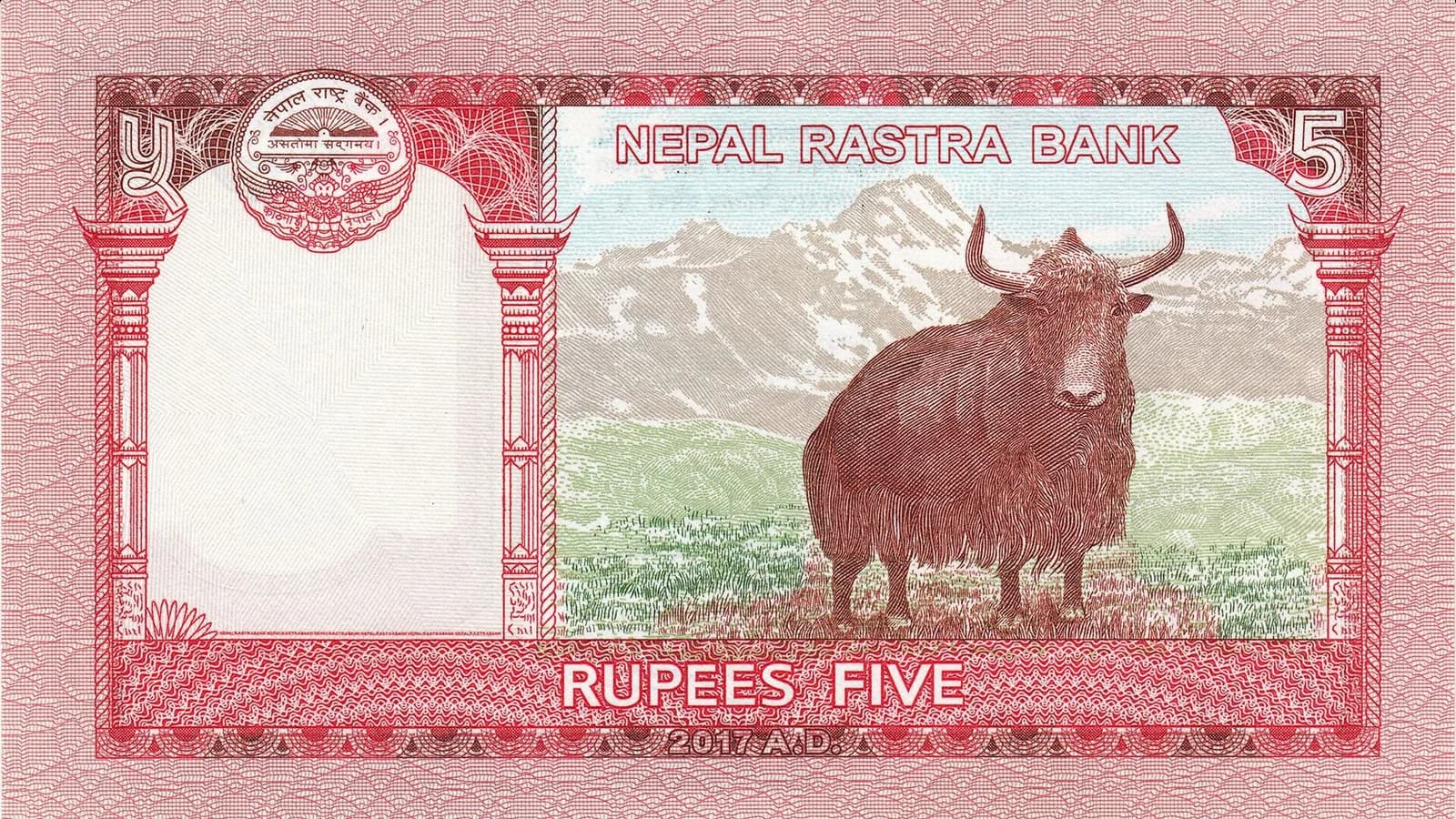
If you are budgeting a trip, the Nepalese rupee to USD rate is the number you keep reaching for — and the honest answer is that there is no single fixed figure, only an approximate one that drifts a little every day. As a working anchor, one US dollar has hovered around 150 Nepalese rupees through the first half of 2026 (as of June 2026), often a touch higher. This guide explains why the rate moves, where to find the day's real number, how far a dollar actually stretches in Nepal, and how to change your dollars into rupees without losing money to bad rates. For the fuller story of the currency itself — what the notes look like and the rules on Indian banknotes — pair this with our Nepal currency guide.
Key takeaways
- As an approximate guide, 1 USD has been near 150 NPR through the first half of 2026, often 150–155 (as of June 2026); the rate floats and moves daily.
- The rupee is fixed to the Indian rupee (1 INR = 1.6 NPR) but floats against the US dollar, riding along with India's currency.
- The fairest benchmark is the Nepal Rastra Bank daily reference rate; money changers add a small spread on top.
- A handy mental shortcut: drop two zeros and take about two-thirds to turn rupees into dollars.
- Bring clean US dollars or a card and exchange after you land — buying rupees abroad is rarely worthwhile.
- Use city money changers and ATMs in Kathmandu and Pokhara; both are scarce on trekking trails.
What a dollar is worth in rupees right now
Treat any exact figure as a snapshot, because the Nepalese rupee to USD rate is not fixed and shifts a little with each passing day. Through the first half of 2026, the US dollar has generally traded in the region of 150 to 155 rupees, and a rounded mental anchor of about 150 rupees per dollar is close enough for planning a budget (as of June 2026). Some days it sits slightly above that, some slightly below; the swings are small but real.
The crucial habit is to check the day's number before you exchange anything, rather than trusting a figure you read weeks earlier. A thirty-second glance at a currency app or the Nepal Rastra Bank reference rate tells you what a fair rate looks like before you walk up to a counter. And remember that whatever mid-market number you see, a money changer will give you a little less than that — the gap is how they make their margin, covered further down.
Why the rate moves (and what stays fixed)
Here is the quirk that explains the daily drift. The Nepalese rupee actually lives under two systems at once:
- Against the Indian rupee, it is held at a hard fixed peg of 1 INR = 1.6 NPR (equivalently, 100 Indian rupees buys 160 Nepalese rupees). This has been in place for decades and does not move with markets.
- Against the US dollar, euro and pound, it floats on the open market.
The two are connected. Because the rupee is anchored to the Indian rupee, and the Indian rupee itself floats against the US dollar, the NPR-USD rate effectively rides along with India's currency. When the Indian rupee strengthens against the dollar, the Nepalese rupee tends to as well; when it weakens, the same. That is why you see the dollar figure tick up and down by small amounts week to week even though Nepal never sets a dollar rate directly. Our Nepalese rupee exchange rate guide digs deeper into this two-rate system if you want the mechanics.
How far a dollar actually goes
The good news behind a "soft" currency is that your money stretches a long way. Because the rupee is weak against the dollar, prices in Nepal are low by Western standards, and a modest amount of dollars converts into a comfortable daily budget. To make the rate concrete, here is roughly what everyday things cost, with approximate dollar equivalents at around 150 rupees per USD (as of June 2026). Prices vary by place and season, so use these for orientation, not as fixed quotes:
| Item | Approx. NPR | Approx. USD | |---|---|---| | Cup of milk tea (chiya) | 30–60 | $0.20–0.40 | | Plate of momos | 150–300 | $1–2 | | Local dal bhat meal | 200–500 | $1.50–3.50 | | Short city taxi ride | 300–600 | $2–4 | | Night in a budget guesthouse | 1,000–2,500 | $7–17 |
Those numbers are why many travellers find Nepal so affordable on the ground. For a fuller breakdown across a whole trip, our Nepal travel budget guide puts daily spending into context, and is Nepal expensive tackles the question head-on.
Doing the maths in your head
You will convert prices constantly, so a shortcut helps. At roughly 150 rupees to the dollar, the quick trick is to drop two zeros and take about two-thirds: a 300-rupee snack is around two dollars, a 1,500-rupee dinner about ten, a 3,000-rupee room roughly twenty. It is approximate — the rate moves and you are rounding — but it is more than accurate enough to judge whether a price is reasonable on the spot.
Where to find the real rate
The single most reliable source is Nepal Rastra Bank, the country's central bank, which publishes daily buying and selling reference rates for the US dollar and other major currencies on its website, dated for each working day. Banks and licensed money changers across the country base their boards on those figures and apply their own spread.
Two practical points worth knowing:
- Buying versus selling. The central bank lists two numbers per currency. The buying rate is what an institution pays for your dollars; the selling rate is what it charges to give you dollars. The gap is narrow at the central bank and wider at retail counters.
- Currency apps show the mid-market rate. They are perfect for a sanity check, but no changer will give you that exact figure — use them to spot a bad offer, not to expect the headline number.
Knowing the reference figure before you exchange is your best protection. If a changer is quoting well below the central bank's buying rate for the day, walk on to the next one.
Exchanging dollars for rupees without overpaying
The reference rate is a benchmark, not the retail offer. In practice the rate you actually get depends heavily on where you change money, from best to worst:
Licensed money changers (usually best)
Registered changers, clustered in tourist districts like Thamel in Kathmandu and Lakeside in Pokhara, tend to offer the most competitive rates — often within roughly one to a few percent of the reference figure for major currencies like the dollar. Many advertise "no commission," in which case the spread is simply built into the displayed rate, so compare the actual number rather than the commission claim. Check the board, confirm the rate verbally, count your cash before leaving, and ask for a receipt.
Banks (middling)
Bank counters convert at fair rates but can be slower, may require paperwork, and sometimes add a commission that eats into the headline figure. They are trustworthy, especially for larger sums, but rarely beat a good Thamel changer on rate or convenience.
Airport counters (weakest)
The exchange desks in the Tribhuvan International Airport arrivals hall are reliably the least generous, because they have a captive audience. The smart move is to change only a small amount there — enough for a taxi and a first meal — and do the bulk in town. Our airport vs Thamel money exchange guide breaks down exactly how big that gap can be.
Cash versus ATMs
Most travellers also draw rupees from ATMs, which price differently from cash exchange. ATMs convert at a rate close to the interbank figure — often slightly better than a changer on the conversion itself — but Nepali machines charge a fixed fee per withdrawal, and your home bank may add its own foreign charge. Because the fee is fixed, small withdrawals are poor value and larger ones spread the cost. Cash exchange has no per-withdrawal fee but a slightly weaker rate. The sensible approach is a mix: carry some clean dollars to exchange and use ATMs in the cities for top-ups. See our Nepal ATM withdrawal guide for machine limits and fees, and can I use credit cards in Nepal for where plastic works.
Smart dollar habits for Nepal
A few simple rules keep the exchange painless:
- Don't buy rupees abroad. The currency is barely traded outside the region and exporting it is restricted, so home-country exchange usually means a poor rate. Bring clean, newer US dollar notes or a card and exchange after you land.
- Carry crisp dollars. Torn, marked or old US notes are sometimes refused or discounted; pristine notes get the full rate.
- Change in town, not at the airport. Top up just enough on arrival, then use a licensed city changer for the rest.
- Sort cash before trekking. ATMs and changers are reliable in Kathmandu and Pokhara but thin on the ground on the trails, with worse rates where they do exist. Withdraw or exchange enough before you head into the mountains.
- Spend or convert leftover rupees before flying home. Taking Nepalese rupees out of the country is restricted, and offloading them elsewhere gets a poor rate.
- Never change money on the street. Anyone approaching you with a "great rate" is running a scam; see our Nepal tourist scams roundup.
The bottom line
The Nepalese rupee to USD rate is best treated as an approximate anchor — around 150 rupees per dollar through the first half of 2026, often a little more (as of June 2026) — rather than a fixed figure, because it floats and drifts daily in step with the Indian rupee. Check the Nepal Rastra Bank reference rate on the day, bring clean dollars or a card, exchange in town rather than the airport, and keep a rough two-thirds shortcut in your head for converting prices on the fly. Do that, and a soft currency becomes a real advantage: your dollars go a long way in Nepal. For everything else about handling money here — the notes, the Indian-rupee rules and carrying cash sensibly — continue to our Nepal currency guide.
Sources
Frequently asked questions
- How many Nepalese rupees are in one US dollar?
- As an approximate guide, one US dollar has traded around 150 Nepalese rupees through the first half of 2026, often nearer 150 to 155 (as of June 2026). The rate floats and shifts a little daily, so check a converter or the Nepal Rastra Bank reference rate on the day you exchange.
- Is the Nepalese rupee to USD rate fixed?
- No, the rate against the US dollar floats and moves daily. The rupee is fixed only against the Indian rupee, at 1 INR to 1.6 NPR. Because the rupee tracks the Indian rupee, the dollar rate effectively rides along with India's currency.
- Why does the Nepalese rupee to dollar rate keep changing?
- The rupee is pegged to the Indian rupee, and the Indian rupee floats against the dollar on world markets. So as the Indian rupee strengthens or weakens against the dollar, the Nepalese rupee moves with it, which is why the NPR-USD figure ticks up and down.
- Where do I find the official Nepalese rupee to USD rate?
- Nepal Rastra Bank, the central bank, publishes daily buying and selling reference rates for the US dollar and other major currencies on its website. Banks and licensed money changers base their offers on these figures and add a small spread.
- Should I bring US dollars to exchange in Nepal?
- Yes, clean and newer US dollar notes are easy to exchange at city money changers and are accepted directly for some visa fees and trekking services. Bring dollars or a card and exchange after you land rather than buying rupees abroad, which is rarely good value.
- Do I get a better rate exchanging dollars or using an ATM?
- ATMs convert near the interbank rate but add a fixed per-withdrawal fee, so they suit larger, less frequent withdrawals. Exchanging dollar cash avoids that fee but gives a slightly weaker rate. Most travellers use a mix of both.
- How do I quickly convert rupee prices to dollars in my head?
- At roughly 150 rupees per dollar, drop two zeros and take about two-thirds. So 300 rupees is about two dollars, 1,500 rupees about ten. It is a rough shortcut, but accurate enough for everyday budgeting on the ground.
Related posts
Nepal Currency Guide — The Nepalese Rupee for Tourists
What the Nepalese rupee looks like, how it compares to USD, the Indian rupee rules, and how to carry money in Nepal without getting caught out.
Read postNepalese Rupee Exchange Rate: A Traveller's Guide
How the Nepalese rupee exchange rate works for tourists — the Indian rupee peg, the floating USD rate, where to find it, and what changers really cost.
Read postThe Nepalese Rupee: History, Notes and How to Read It
A traveller's guide to the Nepalese rupee — its history, the NPR symbol and code, what is on the banknotes, and how to spot a genuine note.
Read post