Nepal Visa for US Citizens: 2026 Fees & Process
A clear, current guide to the Nepal visa for US citizens — fees, passport rules, the US-cash land-border rule, extensions, and a US-specific gratis quirk.
There's no embassy run and no e-visa wait — for Americans, the Nepal visa happens at the counter.
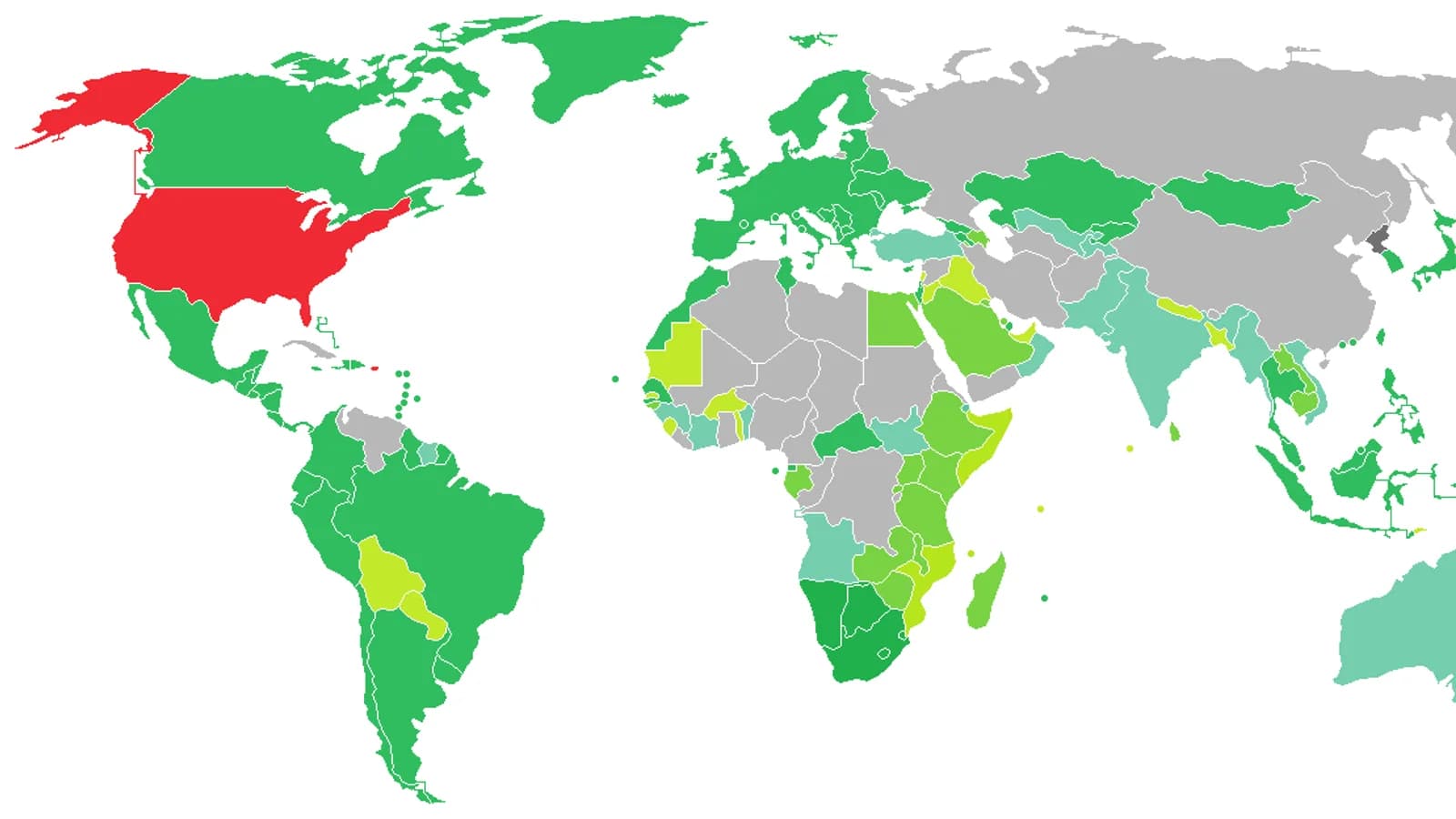
If you hold a US passport, the Nepal visa is one of the easiest parts of planning your trip. There is no embassy appointment, no e-visa portal to wait on, and no invitation letter. For nearly all American travelers, the Nepal visa for US citizens is issued on arrival — at Kathmandu's airport, at Pokhara and Lumbini airports, or at the main land borders with India. You fill a short form, pay a fee in US dollars, and walk out with a sticker in your passport.
That said, a few details trip people up: the passport-validity rule, a US-cash-only rule at land borders, and one oddly specific quirk where US citizens are excluded from a fee waiver that everyone else gets. Here is the current, source-checked picture for 2026.
Key takeaways
- US citizens do not need a visa in advance — you get a tourist visa on arrival by air or at major land borders.
- Fees are about USD 30 (15 days), USD 50 (30 days), and USD 125 (90 days) as of June 2026, all multiple-entry.
- Your passport needs 6+ months validity beyond arrival and one blank page.
- At land borders you must pay in US cash — cards and other currencies are refused, and bills must be clean and not older than 2003.
- Nepal's "children under 10 travel free" waiver specifically excludes US citizens, so American kids pay the visa fee.
- You can stay a maximum of 150 days per Nepali visa year, using extensions done in Kathmandu or Pokhara.
Do US citizens need a Nepal visa?
Yes — every US visitor needs a tourist visa, but you almost never arrange it ahead of time. Nepal issues visa-on-arrival to nationals of most countries, and the United States is on that list. A short roster of nationalities must apply at a Nepali embassy first (Nigeria, Ghana, Zimbabwe, Cameroon, Somalia, Liberia, Ethiopia, Iraq, Palestine, Afghanistan, Iran, Syria, and a few others), but US passport holders are not affected.
So the practical answer for Americans is simple: book your flight, make sure your passport is in order, bring clean US dollars, and handle the visa at the counter when you land. If you want the full play-by-play of the airport queue itself, our Nepal visa on arrival 2026 guide walks through every step and the line-skipping tactics.
Tourist visa fees and durations
Nepal offers three tourist-visa tiers, and the price is the same whether you enter by air or land. All three are multiple-entry, so you can leave for a side trip (to India or Bhutan, say) and come back without buying a new visa.
| Duration | Fee (as of June 2026) | Typical traveler | |---|---|---| | 15 days | USD 30 | A short Kathmandu visit plus one trek or one region | | 30 days | USD 50 | The standard choice for most US visitors | | 90 days | USD 125 | Long treks, multiple regions, or staying across festivals |
A few notes that matter for Americans specifically:
- Fees are quoted in US dollars and most easily paid that way. At the airport you may be able to use other major currencies or, occasionally, a card — but cash dollars are the clean path.
- Pick the tier that comfortably covers your trip. Upgrading later means a paid extension (more on that below), so if you are on the fence between 15 and 30 days, the 30-day visa is cheap insurance.
- The visa is dated from the day you enter, not the day you apply online.
For a broader breakdown of trekking-region paperwork, see our overview of Nepal trekking permits, which are separate from the visa.
Passport and document requirements
The US State Department's guidance for Nepal is short and worth following to the letter:
- Passport validity: at least 6 months beyond your arrival date.
- Blank pages: at least one blank page available for the entry stamp.
- Photo: a recent passport-style photo with a light background. Airport kiosks can capture your photo, but carrying one paper photo is a sensible backup.
You do not need to show proof of onward travel, a hotel booking, or an invitation letter in practice, though immigration may occasionally ask for your address in Nepal. Having your first hotel's name written down removes any friction.
Currency you can carry
US rules and Nepali customs both care about cash. Nepal sets a practical limit of USD 5,000 that you can bring in or take out without special declaration. That is far more than a normal tourist needs, but if you are carrying a large amount, keep it under that threshold or be ready to declare it.
The US-cash rule at land borders
This is the single most important US-specific detail, and it surprises people who cross overland from India. At Nepal's land borders, you must pay the visa fee in US dollars in cash. Credit cards and other currencies are not accepted at these crossings.
The State Department is even more specific: your US bills must be no older than 2003, and they must be in good condition — no tears, heavy wear, or marks. Border officers do turn away ragged or pre-2003 notes, and there is rarely a convenient ATM or money changer right at the crossing.
So if your itinerary includes an overland entry — common land crossings include Kakarvitta (Jhapa, from Siliguri), Belahiya/Bhairahawa (Rupandehi, from Gorakhpur), Birgunj (Parsa, from Raxaul), Biratnagar (Morang), Gadda Chauki (Kanchanpur), and Timure (Rasuwa, near the Tibet border) — set aside crisp, recent US dollars in the exact fee amount before you reach the border.
By air it is more forgiving: airport counters can sometimes take a card or other currency, and there are ATMs and exchange desks in the arrivals hall. Even so, clean cash dollars remain the fastest option.
The gratis-visa quirk that singles out US citizens
Here is a genuine oddity. Nepal waives the visa fee for several groups, and one of them is children under 10 years old — but the official rule reads "children below 10 years except US citizens."
In plain terms: a 6-year-old from most countries enters Nepal free, but a 6-year-old American pays the standard tourist-visa fee like an adult. If you are traveling as a US family, budget the visa cost for every member regardless of age. This is easy to miss because so many "kids go free" summaries online do not mention the US carve-out.
Other gratis categories — none of which apply to ordinary US tourists — include first-visit SAARC nationals (except Afghanistan) for up to 30 days, and Chinese nationals. As an American, plan to pay; do not count on a waiver.
Applying online before you fly (optional)
You can pre-fill the tourist-visa application on Nepal's official immigration portal before departure. It is not mandatory, but it can trim time at the airport because you arrive with a printed confirmation to scan rather than typing everything into a kiosk on landing.
A few things to know about the online step:
- Apply within about 15 days of arrival — the system holds your application for roughly 15 days and then deletes it, so doing it too early is pointless.
- Have a digital photo ready, sized around 1.5 by 1.5 inches, to upload.
- After you submit, you get an email receipt. Print it and keep it with your passport to show immigration.
If the kiosk or your printout fails for any reason, you can still complete everything on arrival the old-fashioned way — the online form is a convenience, not a requirement.
Roughly how the airport flow goes
| Step | What happens | Rough time | |---|---|---| | Kiosk | Scan passport, enter details, take photo, print slip | 3–5 min | | Payment | Pay the fee, get a receipt | 2–3 min | | Immigration | Hand over slip + receipt, get the visa sticker | Varies with the line |
The immigration counter is the real bottleneck at peak arrival times. Pre-filling online and being near the front of the plane both help.
Extending or overstaying your visa
Tourist visas are extendable, and you do it inside Nepal rather than at the airport on your way out. Extensions are handled in person at the Department of Immigration in Kathmandu (Kalikasthan) and at the Pokhara immigration office.
Current extension costs run about USD 45 for a 15-day extension, then roughly USD 3 per additional day. The hard ceiling is 150 days total within a single Nepali visa year, counting your original visa plus any extensions. Plan around that limit if you intend a long stay.
If you overstay, expect a fine on departure (a per-day late fee on top of the visa cost for the overstayed period), so it is cheaper and far less stressful to extend on time. Our dedicated guide on extending your Nepal tourist visa covers the paperwork and timing in detail.
Practical tips for US travelers
- Bring clean, recent US dollars. Even by air, crisp notes (and ideally exact change) move you through faster. For land borders it is non-negotiable.
- Match the visa to your real plans. A 30-day visa for a two-week trip is fine; a 15-day visa for a trip that creeps to 16 days means a counter visit and a fee.
- Keep the entry stamp date in mind. Your clock starts the day you arrive, not the day you booked or applied.
- Know where the embassy is. The US Embassy sits on Maharajgunj Sadak in Kathmandu (main line +977-1-423-4000) and is the right contact for lost passports or serious emergencies.
- Check current advisories before you go. Conditions and rules can shift; skim our Nepal travel advisory and the State Department page close to your departure.
- Greet the officer in Nepali. A simple "Namaste" goes a long way — grab a few from our Nepali phrases for travelers.
A quick reality check on costs
For a typical US visitor on a month-long trip, the visa is a rounding error against flights and trekking — USD 50 for the 30-day tier. The mistakes that actually cost money or time are getting the cash wrong (worn or pre-2003 bills at a land border), under-buying the duration and needing an extension, or assuming kids travel free when the US exclusion means they do not. Get those three right and the rest is genuinely a five-minute formality.
Once your passport is stamped, the planning shifts to the fun part — where to go first. If you are still mapping the route, our roundup of the best places to visit in Nepal in 2026 is a good next stop.
Sources
Frequently asked questions
- Do US citizens need a visa to visit Nepal?
- Yes, but you do not need it in advance — US citizens get a tourist visa on arrival at the airport or major land borders.
- How much does a Nepal tourist visa cost for Americans?
- About USD 30 for 15 days, USD 50 for 30 days, and USD 125 for 90 days (as of June 2026), all multiple-entry.
- Can I pay the Nepal visa fee with a credit card?
- Cards are sometimes accepted at the airport but the system is slow and unreliable; at land borders you must pay in US cash only.
- How much passport validity do I need for Nepal?
- Your US passport should be valid for at least 6 months beyond your arrival date and have one blank page for the stamp.
- Is the Nepal visa really free for children under 10 for US citizens?
- No — Nepal waives the fee for children under 10 from most countries, but US citizens are specifically excluded, so American kids pay too.
- How long can I stay in Nepal on a tourist visa?
- You can stay up to a maximum of 150 days within a single Nepali visa year, combining your initial visa and extensions.
- How do I extend my Nepal tourist visa?
- Extend in person at the Department of Immigration in Kathmandu or Pokhara — roughly USD 45 for 15 days, then about USD 3 per day.
- Do I need to apply online before flying to Nepal?
- It is optional but helpful — pre-filling the form at the immigration portal can shave time off the airport queue.
Related posts
Do I Need a Visa for Nepal? 2026 Answer by Nationality
Do I need a visa for Nepal? Who needs one, who doesn't, who must apply at an embassy, plus 2026 fees and documents — sorted by your passport.
Read postNepal 15 Day Visa: Cost, Rules, and When to Pick It
The Nepal 15 day visa costs USD 30, is multiple-entry, and suits short trips. Who it fits, who should size up, and how to extend it if plans change.
Read postNepal 30 Day Visa: Cost, Rules, and Who It Suits
A focused guide to the Nepal 30 day visa — the USD 50 fee, multiple-entry rules, when to pick it over 15 or 90 days, and how to extend.
Read post