Nepal 30 Day Visa: Cost, Rules, and Who It Suits
A focused guide to the Nepal 30 day visa — the USD 50 fee, multiple-entry rules, when to pick it over 15 or 90 days, and how to extend.
Thirty days is the sweet spot for most Nepal trips — long enough to breathe, short enough to not overpay.
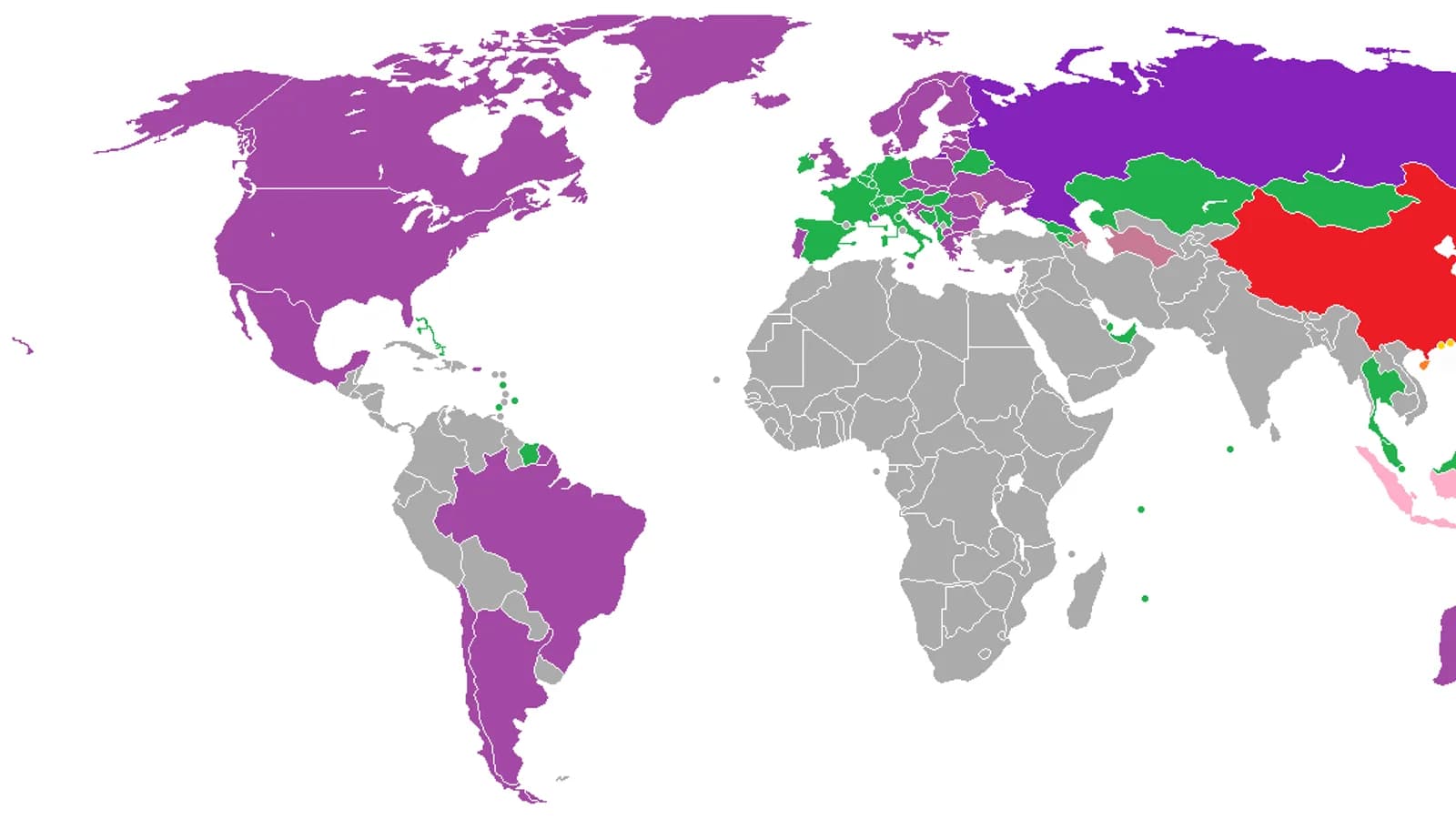
The Nepal 30 day visa is the tier most travelers actually want. It costs USD 50, comes with multiple entry, and gives you enough runway for a Kathmandu-plus-trek trip without the rush of the 15-day option or the expense of the 90-day one. For a standard two-to-three-week holiday, it is usually the right call (as of June 2026).
This guide zeroes in on the 30-day tourist visa specifically: what it costs, the rules that catch people out, when it beats the other tiers, and how to extend it if your trip stretches. For the full fee table across all tiers, see our Nepal visa cost breakdown; for the airport queue tactics, see the visa on arrival guide.
Key takeaways
- The 30-day tourist visa costs USD 50, with multiple entry included (as of June 2026).
- The clock starts on arrival, not on purchase — you cannot bank unused days.
- Pay in cash, in major foreign currency (USD is smoothest); rupees are usually refused.
- You can extend a 30-day visa in-country: USD 45 for the first 15 days, then about USD 3/day.
- The hard ceiling is 150 days per calendar year, no matter how you stack extensions.
- Same fee and rules at the airport and at land borders with India.
What the 30 day visa costs and includes
Nepal's Department of Immigration sets one nationwide fee schedule for the tourist visa, and the price depends only on how many days you buy. The middle tier is the 30-day visa.
| Visa length | Fee (USD, as of June 2026) | Entries | |---|---|---| | 15 days | 30 | Multiple | | 30 days | 50 | Multiple | | 90 days | 125 | Multiple |
A few things are bundled into that USD 50 that travelers often do not realise:
- Multiple entry is automatic. You can hop out to India, Bhutan, or Tibet and return on the same visa without paying again. There is no separate single-entry discount or multiple-entry surcharge anymore.
- It is a tourist visa, full stop. It covers sightseeing, trekking, and general travel. It does not authorise paid work or long-term residence.
- The fee is flat. Your nationality does not change the USD 50 price (with the gratis exceptions noted further down), and neither does where you enter the country.
When the clock starts (the rule people miss)
The single most common misunderstanding about the 30-day visa is timing. Your 30 days count from the date you physically enter Nepal, not from the date you fill the online form or pay the fee.
That has two practical consequences:
- Applying online early does not cost you days. You can complete the application form before you fly without burning into your 30 days. (More on the online step below.)
- Leaving early wastes the remainder. If you buy 30 days and depart on day 20, the unused 10 days simply vanish — they are not refunded and cannot be saved for a later trip in the same year.
So the question is not "when do I apply" but "how many days will I actually be on the ground." Count your arrival day and departure day as partial days that still consume the visa.
30 days vs 15 vs 90: which to pick
The 30-day visa is popular for a reason, but it is not automatically right. Here is how to choose.
Pick 15 days if
Your trip is genuinely short and locked in — a long weekend in Kathmandu, or a quick single-region trek where your flights are already fixed. At USD 30 it is the cheapest, but day one is partly eaten by arrival and the airport, so a true 15-day window is tighter than it sounds. If there is any chance of weather delays on a trek or a flight change, the 15-day visa leaves no slack.
Pick 30 days if
You are doing a standard two-to-three-week holiday and want breathing room — the classic two-week Nepal itinerary plus a few buffer days for a flight delay out of Lukla, an extra night in Pokhara, or a slow start with jet lag. This is the default for most independent travelers and the reason the 30-day tier is the common pick.
Pick 90 days if
You are settling in for a long Himalayan season, combining several big treks, or travelling slowly around the country. At USD 125 it is the cheapest route to a long stay if you already know you will be here well over a month — see the long stay math below for the break-even.
| Trip style | Best tier | Visa cost (USD, as of June 2026) | |---|---|---| | Long weekend / single trek | 15-day | 30 | | Standard 2-3 week holiday | 30-day | 50 | | Long trek + travel (45-70 days) | 30-day + extension | 90-140 | | Extended stay (up to 90 days) | 90-day | 125 |
How to get the 30 day visa on arrival
Most nationalities can get the 30-day visa on arrival, both at Kathmandu's Tribhuvan International Airport and at major land borders. A short list of nationalities must apply at a Nepali embassy in advance instead — confirm the current exclusion list with the Department of Immigration before booking.
What to bring
- Passport valid for at least six months from your date of entry, with at least two blank visa pages.
- USD 50 in cash, ideally in clean, small notes. Change for large bills is not guaranteed.
- A passport photo as backup. Arrival-hall kiosks usually take your photo, but a paper spare saves you if a kiosk is down.
- A pen — surprisingly scarce at the counters.
The on-arrival flow
The process at the airport runs in a few steps: fill or retrieve your application at a self-service kiosk, pay the USD 50 at a bank counter, then hand everything to an immigration officer who affixes the visa sticker. Land borders follow the same logic but more manually, and can take longer at busy posts. For the step-by-step and queue-skipping tips, our visa on arrival walkthrough covers the airport in detail.
Applying online first
You can complete the visa application form online before you fly. This does not start your 30 days and does not let you pay in advance — the fee is still paid in cash on arrival — but it can shave time off the queue. Note the practical limits widely reported by travelers and immigration guidance:
- The online application/barcode is intended to be filled within about 15 days of arrival; submit too early and it can lapse before you land.
- The submitted form sits in the system for roughly 15 days and is then cleared automatically.
If in doubt, fill it a few days to a week before departure, print the confirmation, and bring it.
How to pay — and why cash matters
The most avoidable hiccup at the counter is payment. Immigration takes cash in a major foreign currency, with US dollars by far the easiest. Officers normally will not accept Nepali or Indian rupees for the visa fee, and card acceptance is inconsistent.
- Bring exactly USD 50 in small notes if you can.
- Do not rely on the airport ATM to fund the visa — it dispenses rupees, which the visa counter will not take. For cash strategy after you land, see our Nepal ATM withdrawal guide.
- Other major currencies (euros, pounds) are generally accepted, but USD avoids any exchange-rate or note-condition dispute.
Extending the 30 day visa
If 30 days turns out to be too short, you do not rebuy — you extend in-country at a Department of Immigration office in Kathmandu or Pokhara. The extension structure (as of June 2026):
| Extension component | Fee (USD, as of June 2026) | |---|---| | First 15 days (minimum extension) | 45 | | Each additional day beyond 15 | ~3 | | Late fine if you extend after expiry (within 150 days) | ~5 per day |
The hard ceiling: a tourist can stay a maximum of 150 days within a single calendar year (January to December). That cap resets in the new year, but you cannot exceed it in one year by stacking extensions.
The 30-day-plus-extension math
Say you arrive on the 30-day visa (USD 50) and decide to stay 60 days total. You extend for the extra 30: the first 15 cost USD 45, and the next 15 cost roughly USD 3 each (about USD 45 more), so the extension runs around USD 90 on top of your original USD 50 — about USD 140 for 60 days. That is in the same ballpark as the 90-day visa (USD 125), which is exactly why travelers who already know they will stay 60-plus days often just buy 90 up front. For the office visit itself, see our guide to extending a Nepal tourist visa.
Do not let it lapse
Extend before your 30 days expire. Overstaying inside the 150-day window adds a daily late fine on top of the extension fee, and longer overstays get more serious. Extending early is always cheaper and calmer than paying a fine at the airport on your way out.
Who pays nothing (gratis cases)
A few categories of traveler do not pay the USD 50, which matters if you are travelling as a family or from a neighbouring country:
- Indian nationals — no visa required at all. Under the 1950 Treaty of Peace and Friendship, citizens of India can enter and stay in Nepal without a visa, using a valid national identity document. Useful context if you are weighing a Nepal vs India trip.
- Most SAARC citizens — a free visa once per visa year for stays of up to 30 days, covering Bangladesh, Bhutan, Maldives, Pakistan, and Sri Lanka. Afghan citizens are the exception: their gratis visa requires prior recommendation from the Department of Immigration.
- Children under 10 — generally receive a gratis visa regardless of nationality. Some sources flag reciprocity-based exceptions for certain passports, so verify your nationality if travelling with young kids.
Because these rules carry nuances and occasionally change, treat the Department of Immigration site as the final word rather than any single blog — including this one.
Where you can get the 30 day visa
The USD 50 price is identical everywhere, but availability is not. You can get the 30-day tourist visa on arrival at:
- Tribhuvan International Airport (TIA), Kathmandu — Nepal's only international airport and the busiest entry point.
- Major land borders with India — including Belahiya (Sunauli), Kakarbhitta, Birgunj (Raxaul), Nepalgunj, Dhangadhi, and Mahendranagar.
- The Tibet-China border at the Kerung/Rasuwagadhi crossing (note that travel from the Tibet side carries its own permit requirements).
Same fee, same documents, same 30 days. Only the queue length and the level of automation change.
A few useful Nepali phrases at the counter
A little Nepali earns a genuine smile from immigration officers. A few that fit the moment:
- Namaste — the all-purpose greeting.
- Tees din ko visa — "a 30-day visa."
- Kati paisa? — "how much?"
- Dhanyabaad — "thank you."
Our phrasebook greetings and the taxi scenario script cover what comes right after you clear the counter and step into the arrivals scrum.
Quick pre-trip checklist
- Decide your real number of days on the ground, then pick the tier (30 days suits most).
- Passport valid 6+ months from entry, with 2 blank pages.
- USD 50 in clean, small notes for the fee.
- Optional: fill the online form a few days to a week before flying.
- A backup passport photo and a pen.
- Know the extension rules in case your trip stretches.
Sources
- Nepal Department of Immigration — Tourist Visa
- Nepal Department of Immigration — Visa on Arrival
- Nepal Tourism Board — Tourist Visa Information
- US Department of State — Nepal Travel Advisory / Entry Requirements
- Tribhuvan International Airport Immigration — Passport Validity FAQ
- The Longest Way Home — Nepal Tourist Visa Information, Fees & Forms (2026)
- Wikipedia — Visa policy of Nepal
Frequently asked questions
- How much does a Nepal 30 day visa cost?
- The 30-day tourist visa on arrival costs USD 50, with multiple entry included, as of June 2026. It is paid in cash at the airport or land border.
- Is the Nepal 30 day visa multiple entry?
- Yes. All three tourist visa tiers — 15, 30, and 90 days — come with multiple entry as standard, so you can leave and return without buying a new visa.
- When does the 30 days start counting?
- The clock starts on the day you enter Nepal, not the day you buy or apply. Leaving early simply wastes the unused days; they cannot be banked.
- Can I extend a 30 day Nepal visa?
- Yes. You extend in-country at a Department of Immigration office. The first 15 days cost USD 45 and each extra day is about USD 3, up to a 150-day yearly cap, as of June 2026.
- Should I get the 15, 30, or 90 day visa?
- For most two to three week trips the 30-day visa gives useful breathing room. Pick 15 days only for a tight short trip, and 90 days for long treks or multi-region stays.
- Do I have to pay for the 30 day visa in US dollars?
- Major foreign currencies in cash are accepted, but US dollars are by far the smoothest. Counters typically refuse Nepali and Indian rupees for the visa fee itself.
- Can I get the 30 day visa at a land border?
- Yes. The same USD 50 fee and documents apply at major India border crossings such as Belahiya, Kakarbhitta, and Birgunj, as well as at the Kathmandu airport.
- What passport validity do I need for the 30 day visa?
- Your passport should be valid for at least six months from your date of entry and should have at least two blank visa pages.
Related posts
Do I Need a Visa for Nepal? 2026 Answer by Nationality
Do I need a visa for Nepal? Who needs one, who doesn't, who must apply at an embassy, plus 2026 fees and documents — sorted by your passport.
Read postNepal 15 Day Visa: Cost, Rules, and When to Pick It
The Nepal 15 day visa costs USD 30, is multiple-entry, and suits short trips. Who it fits, who should size up, and how to extend it if plans change.
Read postNepal e-Visa: Online Application, ETA, and What to Expect
How the Nepal e-visa and ETA system actually works in 2026 — what you can do online, what still happens at the airport, fees, and documents.
Read post