Nepal National Bird: The Himalayan Monal (Danphe)
Meet the Nepal national bird, the Himalayan Monal or Danphe: facts, where to spot it on the trail, and why this dazzling pheasant matters.
Catch the iridescent flash of a danphe on a high ridge and you have met Nepal in feathered form.
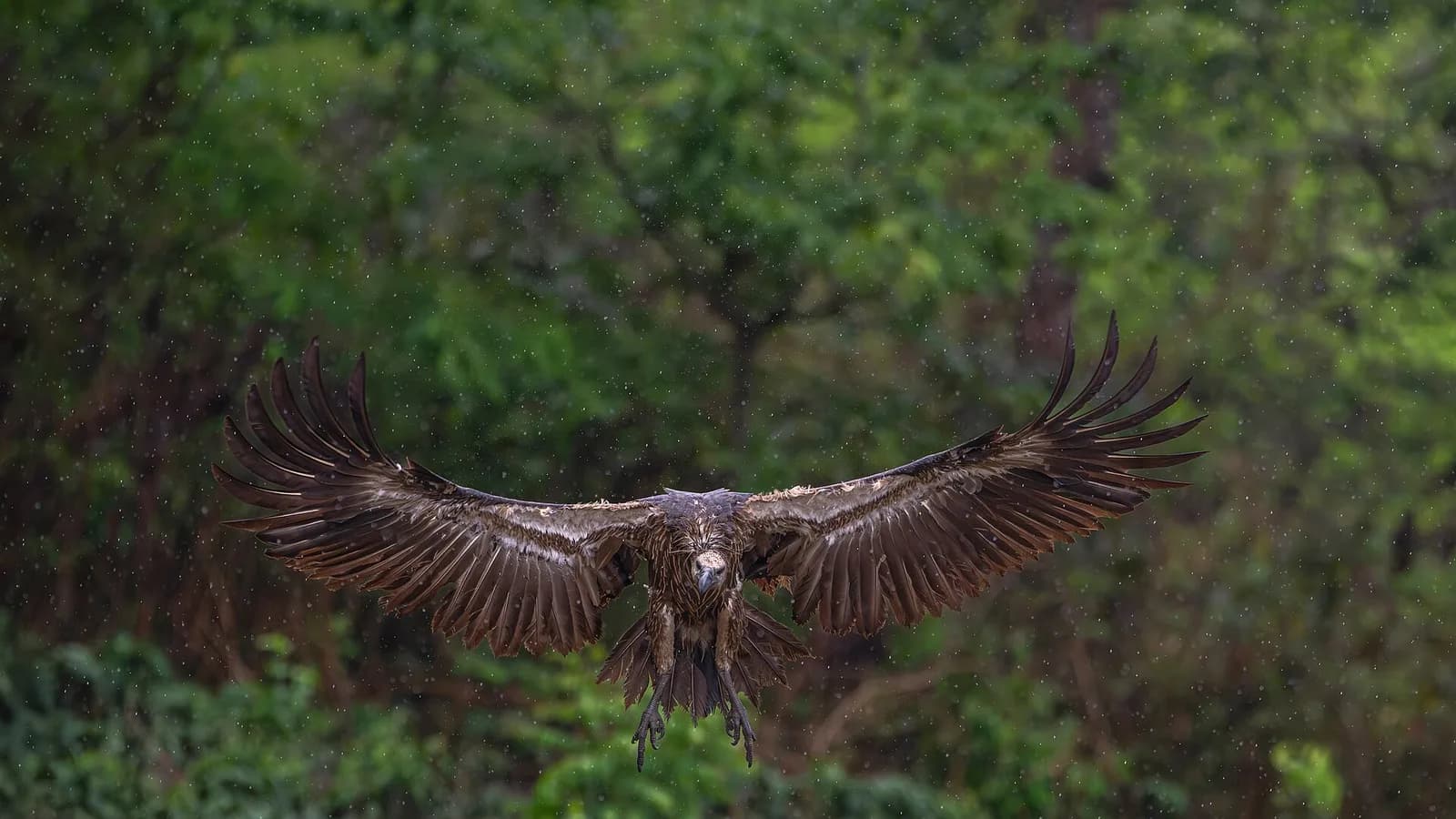
If you spend enough mornings on a high Himalayan ridge, sooner or later a bird the size of a small turkey will burst from the slope below you, its back catching the light in flashes of green, copper, and electric blue. That is the Nepal national bird, the Himalayan Monal, known to almost everyone in the hills simply as the danphe (or danfe). It is one of the most beautiful pheasants on earth, and for trekkers it is a genuine highlight of any walk above the treeline.
This guide covers what the danphe is, why Nepal chose it as a national symbol, where and when you have the best chance of seeing one, and how to watch it responsibly. If you are heading into the mountains, it pairs well with our wider Nepal birdwatching guide and the practical tips in our trekking in Nepal overview.
Key takeaways
- The Nepal national bird is the Himalayan Monal (Lophophorus impejanus), called the danphe in Nepali.
- It lives in the high Himalaya, most commonly between about 2,700 and 3,700 metres, descending lower in winter.
- The male is spectacularly multicoloured; the female is plain brown for camouflage on the nest.
- It is classed as Least Concern by the IUCN, but poaching and habitat disturbance threaten it locally.
- Best chances to see it are in spring (courtship season) and on clear autumn mornings in protected areas like Annapurna, Langtang, and Sagarmatha.
- Its rainbow plumage is widely read as a symbol of Nepal's natural beauty and cultural diversity.
What is the danphe?
The danphe is a relatively large landfowl, roughly 61 to 76 cm (24 to 30 inches) long and weighing somewhere around 1.4 to 2.3 kg. It belongs to the pheasant family, Phasianidae. The species' formal name, Lophophorus impejanus, commemorates Lady Mary Impey, wife of an 18th-century British chief justice of Bengal, which is also why you will sometimes see it called the "Impeyan monal."
The male is the showstopper. He carries a long, metallic green crest, coppery feathers across the back and neck, and a patchwork of iridescent green, blue, and purple that shifts as he moves. A bright white rump becomes obvious when he takes flight. The female, as with most pheasants, is far more subdued: a streaky, mottled brown that keeps her hidden while she incubates eggs on the ground.
Diet and behaviour
Monals forage by digging. Their diet is built around tubers, roots, nuts, tender leaves and shoots, plus insects and other invertebrates they turn up while scratching at the soil. You will often find fresh diggings in alpine meadows where a bird has been at work. Outside the breeding season they are frequently seen in small groups, which is one reason the bird is sometimes read as a symbol of togetherness.
Why is it the national bird of Nepal?
Nepal's choice of the danphe is partly about beauty and partly about symbolism. The male's plumage runs through almost every colour of the spectrum, and many Nepalis see that rainbow as a natural mirror of the country itself: multi-ethnic, multilingual, and varied in landscape from jungle to glacier.
Beyond looks, the bird carries cultural weight. In local folklore and Hindu tradition it is associated with grace, beauty, and good fortune, and it turns up in art, crafts, and traditional costume. The name danphe itself is the affectionate term hill communities use for the bird, so the official designation simply formalised a love that was already there. The danphe sits alongside Nepal's other national emblems; you can read more about the country's most famous symbol in our piece on the Nepal flag.
Where does the Himalayan Monal live?
The danphe is a true high-mountain bird. Across its range it occupies upper temperate oak and conifer forests broken up by grassy slopes, cliffs, and alpine meadows, and it is closely tied to the rhododendron forests that blanket much of the Nepali highlands.
Elevation by season
| Season | Typical elevation band | Notes | | --- | --- | --- | | Summer / breeding | ~2,400-4,500 m | Most common 2,700-3,700 m; moves up to alpine meadows | | Winter | down to ~2,000 m | Descends below the snowline to find food |
These ranges describe the broad Himalayan picture; exact bands shift a little from valley to valley. The key point for trekkers is simple: this is a bird of the zone just above where the dense forest thins out, which happens to be where many classic trails run.
Range beyond Nepal
While it is Nepal's national bird, the monal is not found only here. Its range stretches along the Himalaya through Afghanistan, Pakistan, India, Bhutan, and into Tibet in China. Nepal, with its long belt of well-protected high country, remains one of the best places in the world to see it.
Where to spot a danphe on the trail
Your best bet is one of Nepal's protected high-altitude areas, where the bird is both present and reasonably accustomed to people on established paths. Strong options include:
- Annapurna Conservation Area - reliable on higher Annapurna routes; combine it with the rhododendron forests of the Ghorepani Poon Hill trek.
- Langtang National Park - a renowned birding area with hundreds of recorded species, including the monal, blood pheasant, and satyr tragopan; see our Langtang trek guide.
- Sagarmatha National Park - the Everest region, where monals are seen along sections of the classic high trail.
- Kanchenjunga Conservation Area and the Dolpo region - quieter, wilder country in Nepal's far reaches.
Early morning and late afternoon, when the birds are actively feeding, give you the best odds. Walk quietly, scan open slopes and meadow edges just above the forest line, and listen for the monal's loud, far-carrying call, which often gives the bird away before you see it. A good local guide who knows the favoured slopes is worth a great deal; our notes on whether you need a guide to trek in Nepal may help you decide.
Best time of year
| Window | Why it works | | --- | --- | | Spring (Mar-May) | Breeding season; males display vivid plumage and courtship behaviour | | Autumn (Oct-Nov) | Clear skies and high resident-bird activity make sightings easier |
Spring is the photographer's season because the males are at their most colourful and active. Autumn trades the courtship drama for crisp visibility and stable weather, which many trekkers prefer for the walking itself. For the wider picture on timing your trip, see our best season to trek in Nepal guide.
Conservation: how the danphe is doing
The good news is that the Himalayan Monal is listed as Least Concern on the IUCN Red List, meaning it is not currently considered at high risk of extinction across its whole range. The bird remains reasonably widespread along the Himalaya.
The less good news is that local pressures are real. The single biggest threat is poaching, driven partly by the value placed on the male's crest. Habitat disturbance matters too: in parts of the western Himalaya, monal populations have responded badly to human development such as hydroelectric projects encroaching on their slopes. As Nepal's national bird, the danphe also enjoys protected status at home, and the country's network of national parks and conservation areas does a lot of the heavy lifting in keeping it safe. You can learn more about that system in our overview of Nepal's national parks.
How trekkers can help
- Keep your distance and never chase or flush a bird for a photo; a long lens beats a close approach.
- Stay on established trails so you do not trample nesting habitat.
- Do not buy souvenirs, hats, or crafts that use real monal feathers.
- Support guides, lodges, and conservation-area fees that fund local protection.
A bird worth the climb
For most visitors the danphe is more than a tick on a list. Seeing the Nepal national bird means you have climbed high enough to reach the zone where the Himalaya truly begins to feel wild, where the forest opens out and the snow peaks stand close. The flash of green and copper against a grey slope is the kind of moment that stays with you long after the trek is over.
If birds are a big part of why you travel, build your trip around the high conservation areas, go in spring or clear autumn, walk slowly, and bring patience. The danphe rewards it. Pair this with our Nepal birdwatching guide to plan a route that puts you in the right place at the right time.
Sources
- Himalayan monal - Wikipedia
- Friday Facts: Himalaya Monal - Nepal Traveller
- Seasonal variation in habitat preference of the Himalayan monal in Langtang National Park, Nepal (Zoological Research: Diversity and Conservation, 2024)
- Habitat suitability and projecting distribution shifts of Himalayan Monal habitats (Scientific Reports, Nature, 2025)
- Birdwatching in Nepal: Top Spots and Best Time - Himalayan Masters
- National Symbols of Nepal - Geographies.gr
Frequently asked questions
- What is the national bird of Nepal?
- Nepal's national bird is the Himalayan Monal, known locally as the danphe or danfe, a brilliantly coloured pheasant of the high Himalaya.
- What is the danphe called scientifically?
- The danphe is Lophophorus impejanus, sometimes called the Impeyan monal, a member of the pheasant family Phasianidae.
- Where can I see the Himalayan Monal while trekking?
- Look for it on high trails in the Annapurna, Langtang, Sagarmatha, Kanchenjunga and Dolpo areas, usually between about 2,700 and 3,700 metres.
- When is the best time to spot a danphe?
- Spring, roughly March to May, is the breeding season when males display vivid plumage; clear autumn mornings in October and November are also good.
- Is the Himalayan Monal endangered?
- It is listed as Least Concern on the IUCN Red List, but poaching for its crest and habitat disturbance are real local threats.
- How do I tell the male from the female monal?
- The male is multicoloured with a metallic green crest and copper back; the female is mostly streaky brown for camouflage while nesting.
- Why is the danphe Nepal's national bird?
- Its rainbow plumage is seen as a mirror of Nepal's diverse cultures and landscapes, and it carries associations with beauty, luck and the divine.
Related posts
Birdwatching Nepal: Plan a Trip by Target Birds
A practical birdwatching Nepal trip-planner: pick a region by target species, see vulture restaurants and key reserves, plus a sample itinerary.
Read postHimalayan Tahr: Nepal's Cliff-Dwelling Wild Goat
A trekker's guide to the Himalayan tahr in Nepal: where to see this wild goat, its alpine habitat, conservation status, and the Everest trail's most-spotted mammal.
Read postMusk Deer in Nepal: The Himalayas' Shy Tusked Ghost
A trekker's guide to the musk deer in Nepal: where it lives, why it has fangs, its endangered status, and how to spot one ethically in the high forests.
Read post