Manaslu Circuit vs Annapurna Circuit — Which Is Actually Harder?
Both treks cross a 5,000m+ pass. Both take 12-18 days. The differences are in altitude profile, infrastructure, permit cost, and the kind of trekker each one rewards.
Annapurna is the masterpiece you've already heard about. Manaslu is the one you haven't.
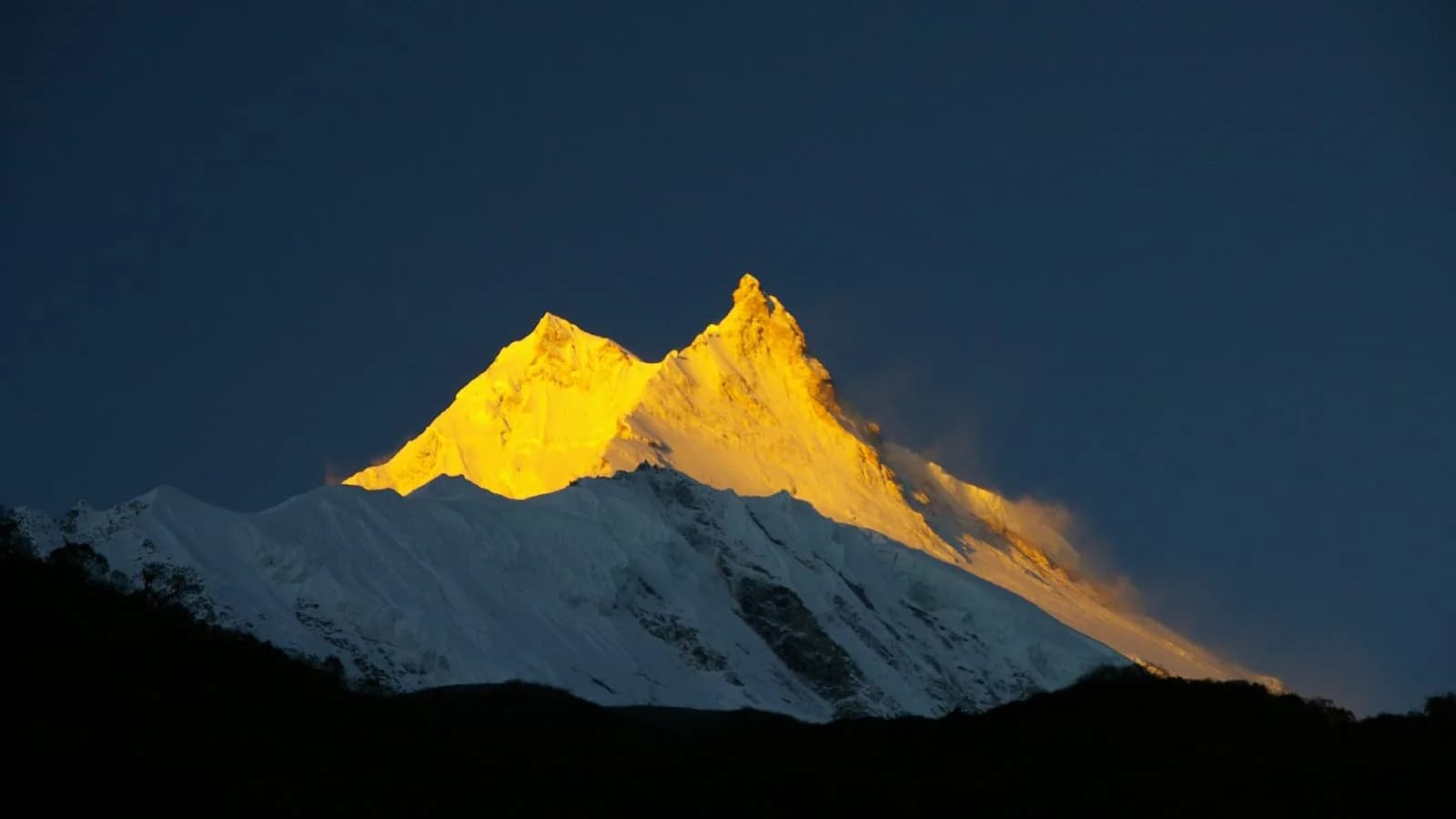
Manaslu Circuit gets called "the new Annapurna Circuit" — a description that's half right and half misleading. They share the structure (a 12–18 day loop around a major massif, a high pass crossing, teahouse infrastructure end to end). They differ in altitude profile, permit cost, crowd density, and what kind of trekker enjoys each one.
If you've already done Annapurna Circuit and want the next step, Manaslu is the right next step. Here's how to think about whether you're ready.
Daily altitude profile — Manaslu is more demanding
Both treks cross a 5,000m+ pass, but the build-up is different.
Annapurna Circuit: gradual ascent over 6–8 days from 800m (Besisahar) to Manang (3,540m), then 2 acclimatization days, then the push to Thorong La (5,416m). Plenty of time to acclimatize. The pass crossing is one long day; everything else is moderate gain.
Manaslu Circuit: ascent from 700m (Soti Khola) to Sama Gaun (3,520m), then acclimatization, then push to Larkya La (5,160m). The build-up is similar but the trail is harder underfoot — more landslides, more steep sections, longer days at altitude before the pass.
Both treks are doable for fit trekkers without prior altitude experience, but Manaslu rewards you for being already-acclimatized. The Larkya La crossing day from Dharamsala to Bimthang is 8–10 hours, mostly above 4,500m, with the pass itself at 5,160m and a steep descent on the other side. It's noticeably more demanding than Thorong La even though it's 256m lower.
The infrastructure gap
| Factor | Annapurna Circuit | Manaslu Circuit | |---|---|---| | Lodges per village | 8–20 | 3–6 | | Trekkers per peak season day | 100–200 | 20–60 | | Menu variety | Wide | Limited | | Wifi/charging availability | Most lodges | Sparse, especially upper sections | | Hot showers | Standard option | Often unavailable above Samagaun | | Phone signal | Patchy but available | Sparse above Lho |
Annapurna has been a major trek for 40 years. Manaslu opened in 1991 and only got teahouse infrastructure in the late 2000s. The lodges on Manaslu are smaller, the food is simpler, the prices are slightly higher (less competition), and the social atmosphere is closer to old-school trekking. You'll know the other trekkers' names by day 5.
Permits — Manaslu costs significantly more
Annapurna Circuit:
- ACAP entry: NPR 3,000 ($22)
- TIMS card: NPR 2,000 ($15)
- Total: ~$37
Manaslu Circuit (Restricted Area):
- Restricted Area Permit (RAP): $100 for first 7 days, then $15/day extension (September–November); $75/$10 in other months
- MCAP (Manaslu Conservation Area): NPR 3,000 ($22)
- ACAP entry: NPR 3,000 ($22) — required because you exit through Annapurna territory
- Total: ~$140–200
Manaslu also requires you to be in a group of at least 2 trekkers with a registered guide. Solo Manaslu is not legal. You can find a partner via Thamel agencies or pair up with another solo trekker at the agency office.
What you actually see — the visual contrast
Annapurna Circuit is variety: rice paddies, subtropical forest, pine forest, alpine meadow, high desert (Manang and Mustang sections), the pass crossing, then the green Kali Gandaki descent. Five climate zones in 14 days.
Manaslu Circuit is the high mountains, dominant. Manaslu itself (8,163m, the world's 8th highest) sits above the trail for most of the second half. From Sama Gaun (3,520m), the mountain fills the sky to the north and feels close in a way Annapurna I never does on its circuit. The trail closer to the pass goes through Tibetan-style stone villages that feel like Mustang condensed.
The trade-off: Manaslu's first 3–4 days through deep valleys are visually less varied than Annapurna's lowlands. The reward comes from Lho onwards.
The cultural difference
Manaslu's upper villages — Lho, Sama Gaun, Samdo — are ethnically Tibetan. The Buddhist monasteries are functioning, the prayer wheels and chortens are everywhere, and many residents still speak primarily Tibetan with Nepali as a second language. The cultural texture is closer to Bhutan than to the Hindu Nepali villages on the Annapurna lowlands.
This affects everything from food (more Tibetan bread, butter tea, tsampa) to greetings (you'll hear tashi delek alongside namaste) to the rhythm of village life.
When to do which
| Goal | Annapurna Circuit | Manaslu Circuit | |---|---|---| | First Himalayan high-pass trek | ✓ Yes | Not ideal | | Want variety of landscapes | ✓ Yes | Less so | | Want quieter trail | Increasingly crowded | ✓ Yes | | Already done AC, want next step | — | ✓ Perfect | | Budget-conscious | ✓ Cheaper | More expensive | | Solo travel ok | ✓ Yes (with porter) | Not allowed — group + guide mandatory | | Care about cultural immersion | Mixed Hindu/Tibetan | ✓ Strongly Tibetan | | Care about lodge comfort | ✓ Better infrastructure | Basic |
When NOT to do Manaslu
- First multi-day trek ever — go to ABC or even Mardi Himal first
- Solo trekker without a partner — find someone in Thamel first
- Limited budget — Annapurna Circuit gives you more trek per dollar
- Want guaranteed mountain views — Manaslu's weather is less predictable than the rain-shadow Annapurna sections
Best season
- Best: October–November (clear, cold, the standard window)
- Second: late March–April (rhododendrons, slightly warmer at low altitude)
- Avoid: June–September monsoon (the lower trail through deep valleys becomes dangerous with landslides)
A practical note on guides
Manaslu requires a government-registered guide (not just any trekking company employee — the guide must be on Nepal's official register). Some cheaper agencies skirt this by hiring "guides" without proper registration. If your agency quote is significantly below market ($1,200–1,500 for the full trek inclusive), ask specifically whether your guide is registered. The agency's permit application includes the guide's registration number.
Pre-trek checklist
- Group of 2+ trekkers (solo is not legal on Manaslu)
- $140–200 cash for permits in addition to standard trek costs
- Confirmed agency with a registered guide (not just any trekking company employee)
- Prior altitude experience strongly recommended
- 90-day visa to allow for weather delays
- Tipping guide and packing list for the practical layer
Manaslu is the right second trek for someone who loved Annapurna and wants more of the same atmosphere with fewer people. It's the wrong first trek for almost anyone.
Related posts
Annapurna vs Manaslu: Which Trek Should You Choose?
An Annapurna vs Manaslu decision guide for trekkers — compare permits, crowds, difficulty, infrastructure and cost to pick the right Himalayan route.
Read postEverest Base Camp vs Annapurna Base Camp: Which to Trek
Everest Base Camp vs Annapurna Base Camp compared — altitude, days, difficulty, cost, permits, scenery, and which Himalayan trek fits you best.
Read postEverest vs Annapurna Difficulty: An Honest Compare
Everest vs Annapurna difficulty compared by altitude, days, terrain and risk — across base camps, passes and easy treks, so you pick the right trail.
Read post