Maha Shivaratri at Pashupatinath — Festival Guide for Visitors
Maha Shivaratri turns Pashupatinath into Nepal's biggest Shiva pilgrimage. What to expect from the crowds, sadhus, and night vigil, and how to visit.
For one night and day, the holiest Shiva temple in Nepal draws hundreds of thousands of pilgrims, ash-smeared sadhus, and the smoke of a thousand fires.
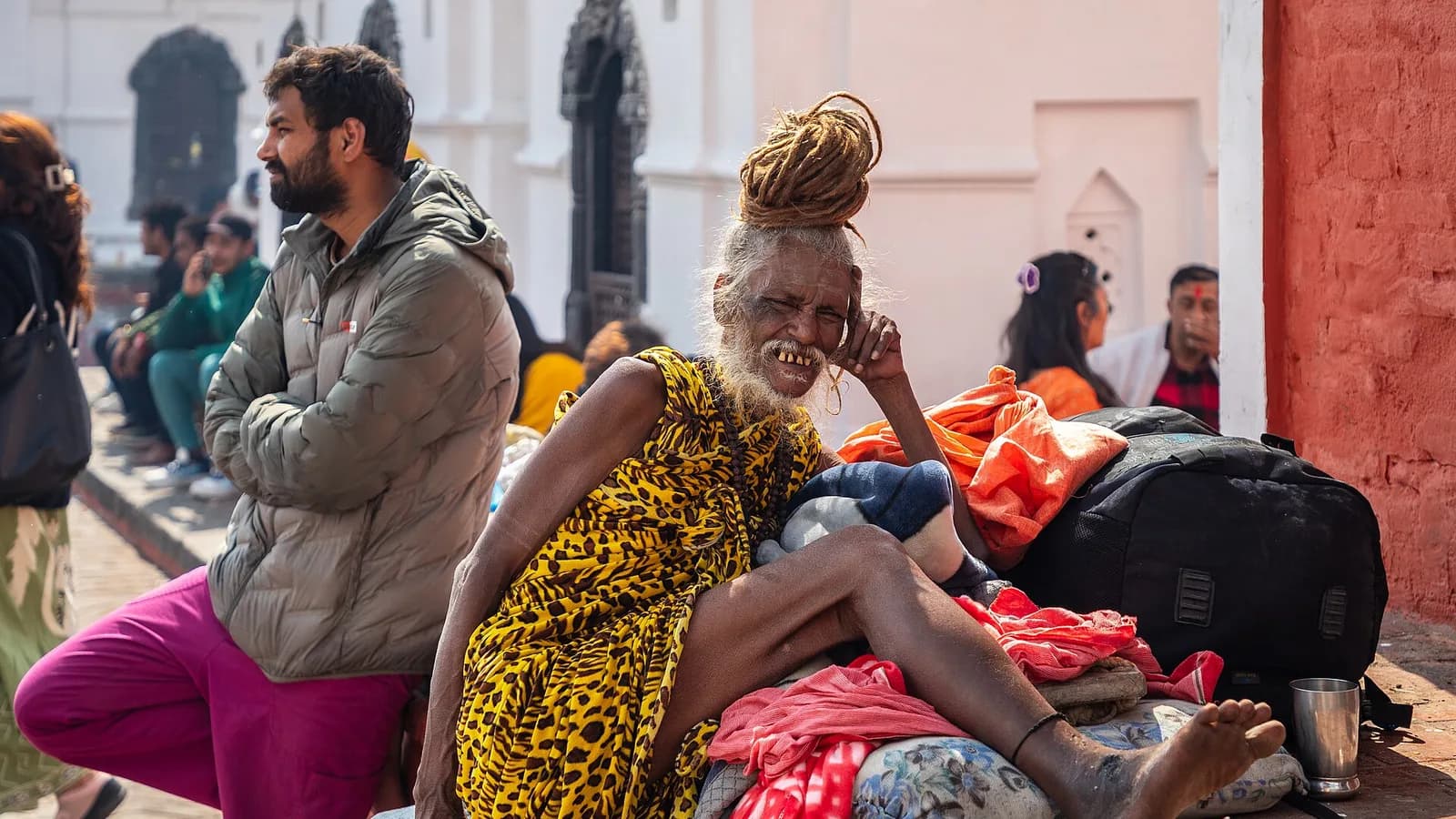
Maha Shivaratri is the single largest religious event of the year at Pashupatinath, Nepal's holiest Shiva temple. On this one night and day, the riverside complex east of central Kathmandu fills with hundreds of thousands of Hindu pilgrims, ash-smeared sadhus who have travelled from across the subcontinent, the smoke of countless bonfires, and an intensity of devotion you will not see at any other time. For a traveller in Kathmandu during the February full-moon period, Maha Shivaratri at Pashupatinath is among the most powerful — and most crowded — cultural spectacles in the country.
This guide explains what the festival is, when it falls, what foreigners can and cannot access, and how to navigate the crowds, the sadhus, and the night vigil respectfully. For a full walkthrough of the temple on an ordinary day — the layout, the cremation ghats, the photography rules — pair this with our Pashupatinath temple guide for foreigners.
Key takeaways
- Maha Shivaratri falls on the 14th night of the dark fortnight of Falgun — February or early March, shifting yearly with the lunar calendar, so confirm the date for your year.
- It is the great night of Shiva, and Pashupatinath is its epicentre in Nepal.
- Expect enormous crowds: Nepali police reported 400,000+ visitors to the temple area in 2025, with kilometre-long queues and thousands of security personnel.
- Foreigners cannot enter the main inner temple (Hindus only) but can access the wider complex, the riverbanks, and the sadhu encampments.
- Sadhus, including ash-covered Naga Babas, gather from across India and Nepal; the festival is the one time bhang is a tolerated cultural feature here — though not a green light for tourists.
- A night vigil (jagaran) with bonfires and chanting runs through the cold night.
What Maha Shivaratri celebrates
Maha Shivaratri — literally "the great night of Shiva" — is the most important festival dedicated to Lord Shiva in the Hindu calendar. Where most festivals are daytime, daylight affairs, Shivaratri is fundamentally a night observance, devoted to staying awake in prayer through the darkest hours.
The festival carries several overlapping legends. In one, it marks the night Shiva performed the cosmic dance of creation and destruction; in another, it commemorates his marriage to the goddess Parvati; in a third, it recalls Shiva drinking the poison that emerged from the churning of the cosmic ocean to save the world, holding it in his throat. The common thread is reverence for Shiva as the great ascetic and the force that dispels darkness — which is why bonfires, vigil, and fasting all feature so heavily.
Pashupatinath, sitting on the banks of the Bagmati River, is one of the holiest Shiva temples in the entire Hindu world, dedicated to Shiva in his form as Pashupati, "lord of the animals." That status makes it the natural focal point for Maha Shivaratri in Nepal — the day the temple's year-round sanctity peaks.
When it falls
Maha Shivaratri follows the lunar calendar. It is observed on the 14th day (Chaturdashi) of the dark fortnight of the Nepali month of Falgun, which corresponds to February or, in some years, early March.
Because the date moves by a couple of weeks each year, the essential planning step is to check the date for the exact year you intend to visit rather than assume a fixed day. For a rough anchor, in recent years it has fallen in the second half of February.
| Detail | What to know | | --- | --- | | Lunar timing | 14th of the dark fortnight of Falgun | | Western window | February, sometimes early March | | Date stability | Shifts each year — always verify | | Weather | Cold Kathmandu nights — bonfire season | | Peak site | Pashupatinath, Kathmandu |
The February timing matters for one practical reason: Kathmandu nights at that time of year are genuinely cold, which is part of why the bonfires of the night vigil are both a ritual and a comfort.
What foreigners can and cannot see
This is the most important practical point for any non-Hindu visitor, and it does not change for the festival:
- You cannot enter the main inner temple. Access to the inner sanctum is restricted to Hindus, enforced firmly and especially tightly during Shivaratri's crush.
- You can enter the surrounding complex with the standard foreigner entry ticket — the riverbank overlooks, the eastern side of the Bagmati, the smaller shrines, and the areas where sadhus gather.
- The festival atmosphere is fully accessible from the permitted zones. You do not need to enter the inner temple to experience the crowds, the sadhus, the fires, and the devotion.
In practice, the most rewarding vantage points for a foreigner are the terraces and steps on the eastern bank, looking across the river toward the temple, where the sadhus tend to camp and where you can take in the scale of the gathering without being swept into the worship queues. For the full geography of which areas are open and the standard entry fee, see the Pashupatinath guide.
The sadhus and the night vigil
Two features define the Shivaratri experience at Pashupatinath above all others: the sadhus, and the all-night vigil.
The sadhus
Maha Shivaratri draws sadhus — Hindu ascetics and holy men — from across Nepal and, in large numbers, from India. The most visually striking are the Naga Babas, renunciants who cover their bodies in ash, wear matted dreadlocks, and often go nearly unclothed as a sign of their detachment from worldly life. They settle around the temple in the days before the festival, meditating, performing rituals, and blessing pilgrims.
The temple authority, the Pashupati Area Development Trust, traditionally arranges for the visiting sadhus to receive food, firewood, and dakshina (offerings), which is part of why so many converge here specifically. Many sadhus will allow photographs in exchange for a small donation. A reasonable approach: if you photograph a sadhu, offer a small note (a few hundred rupees); if you would rather not, smile and move on. Be aware, as our temple guide notes, that some figures are genuine renouncers and others are essentially performers earning tourist money — telling them apart is difficult, so simply decide your own comfort level in advance.
The night vigil
The heart of Shivaratri is the jagaran — the night-long vigil. Devotees stay awake through the dark hours, chanting Shiva mantras, singing devotional bhajans, and making offerings to the Shiva lingam. The night is often described in four watches or phases, with worshippers cycling through prayer across the cold hours until dawn.
Bonfires are lit throughout — at the temple, in surrounding gatherings, and in homes across the city. Symbolically the fires represent the dispelling of darkness and ignorance; practically, they warm the long February night. The combination of firelight, smoke, chanting, and ash-covered ascetics is what gives Shivaratri at Pashupatinath its singular, otherworldly atmosphere.
Bhang and cannabis — the honest situation
You will read a lot about cannabis and Maha Shivaratri, so here is the level-headed version.
Cannabis is generally illegal in Nepal. However, Maha Shivaratri around Pashupatinath is a long-recognised cultural exception: bhang (a cannabis preparation) is associated with Shiva in Hindu tradition, and some sadhus consume it as part of their devotion during the festival. The authorities effectively tolerate this within the religious context for the holy men.
For a tourist, the sensible reading is straightforward: the cultural tolerance for sadhus is not a personal legal permission for you. Do not assume it is legal to buy or consume, do not accept substances offered by strangers in the crowd, and be aware that festival crowds attract opportunists. If you are interested in the bhang tradition, observe it as a cultural phenomenon rather than a participatory one. This caution mirrors the bhang-in-thandai warning we give for Holi in Nepal.
Navigating the crowds
The crowds at Shivaratri are the defining logistical challenge. To put numbers on it: Nepali police reported that more than 400,000 people visited the Pashupatinath area on Maha Shivaratri in 2025, with around 4,200 police personnel deployed at the site and more than 10,000 total personnel across security agencies and supporting organisations. Queues at the temple gates stretched for kilometres, and even the authorities acknowledged that crowd management during peak afternoon hours was strained.
What that means for you on the ground:
- Arrive early. The morning is far easier to move through than the afternoon peak. Early light is also better for photography.
- Expect long queues if you intend to approach the worship areas — and remember the inner temple is closed to you regardless.
- Travel light. Leave the backpack at your hotel; carry only essentials.
- Guard valuables. Dense religious crowds attract pickpockets. Keep phone and cash in a zipped front pocket. Our Nepal tourist scams guide covers the patterns to watch.
- Plan your transport. Roads around Pashupatinath clog badly on the day. Our guide to getting around Kathmandu helps you time it.
The crowd is overwhelmingly Nepali and Indian pilgrims, not tourists. As with the animal-sacrifice intensity of Dashain, this is a religious event being lived by the community, not a show staged for visitors — which is exactly what makes it worth witnessing, provided you keep out of the way.
Etiquette and what to wear
Pashupatinath enforces respectful dress, and the festival is no time to test it:
- Shoulders and legs covered — no tank tops, no shorts.
- Remove shoes where signage requires it; remove hats entering temple buildings.
- No loud talking or laughter near worshippers, and never near the cremation ghats along the river.
- Photography: architecture, the river, and the wider complex are fine; avoid pushing a camera into individual worshippers' or mourners' faces, and follow the rules on the ghats. The full photography do's and don'ts are in the Pashupatinath guide.
For a broader primer on behaving well across Nepal's sacred sites, our temple etiquette guide for tourists distils it into simple rules.
A few useful phrases: a quiet "namaste" with a small bow goes everywhere, and "Photo khichna hunchha?" ("May I take a photo?") is the polite check before photographing a sadhu or worshipper. The scenarios phrasebook has the rest of the everyday basics.
Is it worth visiting on the day?
If your Kathmandu trip overlaps with Maha Shivaratri, visiting Pashupatinath is a rare chance to witness Hindu devotion at full intensity — the sadhus, the fires, the vigil, the sheer human density of belief. It is unforgettable. It is also hot, crowded, slow-moving, and not built for tourist convenience. Go early, go light, keep your expectations about access realistic (no inner temple), and treat the day as something to observe respectfully rather than consume. Approached that way, it is one of the most vivid cultural encounters Nepal offers.
Sources
Frequently asked questions
- When is Maha Shivaratri celebrated at Pashupatinath?
- Maha Shivaratri falls on the 14th night of the dark fortnight in the Nepali month of Falgun, which lands in February or sometimes early March. It follows the lunar calendar, so the date shifts each year and you should confirm it for your travel year before planning a visit.
- How crowded is Pashupatinath on Maha Shivaratri?
- Extremely crowded. Nepali police reported that more than 400,000 people visited the temple area on Maha Shivaratri in 2025. Queues at the gates stretch for kilometres and thousands of security personnel are deployed, so expect long waits and limited mobility.
- Can foreigners enter Pashupatinath during Maha Shivaratri?
- Foreigners can enter the wider temple complex with the standard entry ticket but cannot enter the main inner temple, which is reserved for Hindus, on Maha Shivaratri or any other day. You can still see the architecture, the riverbanks, the sadhus, and the festival atmosphere from the permitted areas.
- Why do sadhus gather at Pashupatinath for Maha Shivaratri?
- Maha Shivaratri is the great night of Lord Shiva, and Pashupatinath is one of the holiest Shiva temples anywhere. Sadhus, including ash-covered Naga Babas, travel from across Nepal and India to meditate and perform rituals. The Pashupati Area Development Trust traditionally provides them with food, firewood, and dakshina.
- Is bhang or cannabis legal at Maha Shivaratri?
- Cannabis is generally illegal in Nepal, but Maha Shivaratri is a recognised cultural exception around Pashupatinath, where some sadhus consume bhang as an offering associated with Shiva. As a tourist you should not assume it is legal for you, and you should avoid being offered or buying any substances from strangers in the crowd.
- What is the night vigil on Maha Shivaratri?
- Devout followers stay awake through the night, a vigil called jagaran, chanting mantras, singing devotional songs, and offering prayers to a Shiva lingam. Bonfires are lit through the cold night as a symbol of dispelling darkness, and the temple sees waves of worshippers across the four phases of the night.
- What should tourists wear and bring to Pashupatinath for the festival?
- Dress modestly with shoulders and legs covered, carry the cash entry fee, keep valuables in a zipped front pocket against pickpockets, and bring water and patience for the heat and queues. Arrive early in the day for easier movement and better light before the biggest crowds build.
Related posts
Teej Festival Nepal: Red Saris, Fasting, and Dance
Teej festival in Nepal explained for travelers — the three days, the red saris, the nirjala fast, the dancing at Pashupatinath, and how it is changing.
Read postPashupatinath Temple — What Foreigners Can and Can't See
The temple complex is open to all. The main temple isn't. Here's where you can walk, what you can photograph, and how to navigate the cremation ghats respectfully.
Read postThe Dog Festival of Nepal: A Short Visitor's Guide
The dog festival of Nepal, Kukur Tihar, is the viral day when every dog gets a garland and a tika. A quick guide to what it is and where to see it.
Read post