Magar People: Nepal's Third-Largest Ethnic Group Explained
A respectful guide to the Magar people of Nepal — their homeland, languages, religion, festivals, dances and Gurkha heritage, with 2021 census figures.
Spread across the western and central hills, the Magar carry one of Nepal's oldest and largest indigenous cultures — and a famous record of Gurkha valour.
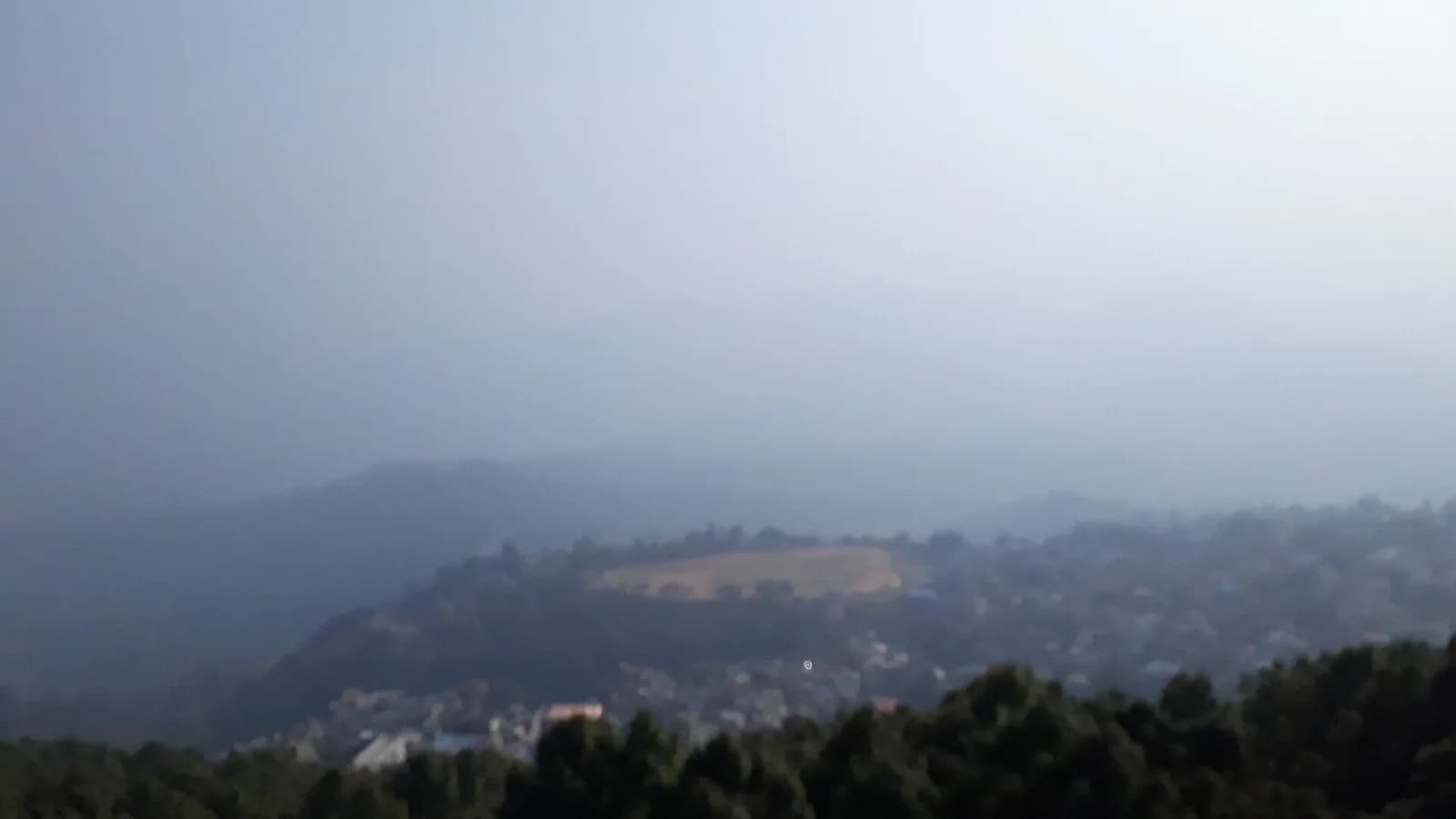
The Magar people are one of Nepal's oldest and largest indigenous communities — a Tibeto-Burman group whose villages spread across the western and central hills, and whose name is woven through the country's history, its folk culture and the storied ranks of the Gurkhas. Despite their numbers, the Magars are less familiar to many visitors than some smaller groups, partly because their homeland lies away from the busiest tourist trails. This guide is a respectful introduction to who the Magars are: their homeland, their languages, their religion and festivals, and their famous military heritage.
The Magars share the western hills and the Gurkha tradition with the Gurung, and the two communities are often mentioned together. This page focuses on what makes Magar culture distinct.
Key takeaways
- The Magars are a Tibeto-Burman people indigenous to the western and central hills of Nepal, and one of its oldest communities.
- Nepal's 2021 census recorded 2,013,498 Magars (about 6.9 percent) — the third-largest ethnic group in the country.
- They speak three related languages — Magar Dhut, Magar Kham and the rare Magar Kaike — though many now use Nepali.
- Their homeland is the historic Barah Magarat and Athara Magarat regions of the western hills.
- About 79 percent are recorded as Hindu, within a highly syncretic blend of Hinduism, Buddhism, animism and shamanism.
- Magars form the largest share of Gurkha soldiers and hold a celebrated record, including five Victoria Crosses.
Who the Magar are
The Magars, sometimes spelled Mangar, are a Tibeto-Burman ethnic group native to Nepal (with related communities in parts of northeast India). They are traditionally a community of hill farmers and soldiers, long settled across the middle hills of the country's west and centre, where they cultivated terraced fields and herded livestock.
According to Nepal's 2021 census, there are 2,013,498 Magars, about 6.9 percent of the national population. That makes them the third-largest group in Nepal, after the Chhetri and the Brahmin (Bahun). Their sheer size and wide distribution mean Magar communities turn up across much of the western and central hill country, from Palpa and Gulmi to Rolpa, Rukum and the Annapurna foothills.
The Magar homeland
The traditional Magar territory is described through two historic confederations of small hill kingdoms:
- Barah Magarat ("twelve Magar regions") in the western and central hills, taking in districts such as Palpa, Gulmi and Arghakhanchi.
- Athara Magarat ("eighteen Magar regions") further west, the home of the Kham Magars.
Magars form a large share of the population in several districts. According to census data, concentrations are especially high in Palpa (around 53 percent), Eastern Rukum (around 49 percent), Rolpa (around 43 percent) and Myagdi (around 36 percent). The hill town of Tansen in Palpa is a historic centre at the heart of this country.
History and society
The Magars are considered one of the oldest indigenous peoples of Nepal, with deep historical roots in the western hills. Before the rise of the modern unified state, the Magarat — the Magar country — was organised into the small hill kingdoms remembered in the names Barah Magarat and Athara Magarat, and Magar rulers and warriors played a significant part in the politics of the region. Their reputation as formidable fighters long predates the Gurkha regiments and helps explain why they were so sought after as soldiers.
Magar society is traditionally organised around clans (thar) and patrilineal kinship, with village life centred on farming, festivals and communal labour. Like other hill communities, the Magars have historically lived in close contact with neighbouring groups — Gurungs, Chhetri, Brahmin and others — sharing markets, trails and many cultural forms while maintaining their own languages and customs. This long coexistence is part of why several Magar dances and songs are shared across the wider hill culture of western Nepal.
Languages: Dhut, Kham and Kaike
One striking feature of the Magar community is that it speaks not one language but three related tongues, reflecting its wide geography. According to the 2021 census:
| Language | Speakers (2021) | Mainly spoken in | |---|---|---| | Magar Dhut | 810,315 | Western and central hills (Barah Magarat) | | Magar Kham | 91,753 | Mid-western hills (Athara Magarat) | | Magar Kaike | 1,225 | Dolpa district |
The remaining Magar population reports Nepali as a mother tongue, a sign of the same language shift affecting many indigenous communities. The diversity of these languages — Dhut, Kham and the very small Kaike — is part of what makes the Magar a linguistically rich group. For the bigger picture, see our guide to the languages of Nepal.
Religion and belief
According to the census, about 79 percent of Magars are recorded as Hindu, but that figure sits on top of a deeply syncretic religious life. Magar Hinduism incorporates aspects of Buddhism, animism, shamanism and ancestor worship, and the community's ancestors were traditionally shamanists who venerated nature and the spirits of the land.
This blending is visible in festivals and rituals that honour the earth and ancestors alongside Hindu observances, and in the continued role of traditional ritual specialists in village life. Among the Kham Magars of the mid-western hills in particular, shamanic and animist practices remain especially strong, with rituals tied closely to the land, the harvest and the spirits believed to inhabit forests and streams. To understand where this fits in the national picture, our overview of religion in Nepal is a useful companion.
Festivals, music and dance
The most widely celebrated Magar festival is Maghe Sankranti, which falls on the first day of the month of Magh (around mid-January) and was declared a national festival in 2009. It marks the turn of the season toward longer days and is celebrated with ritual bathing, feasting and family gatherings. Among the Kham Magars, the earth-worship festival Bhume Puja (Bhumya) is especially important, typically held around June to seek a good harvest and protection for the community.
Magar culture is also rich in folk dance and music, which animate festivals and weddings:
- Kaura, a celebrated dance-and-song form that originated in Tanahun district.
- Sorathi and Maruni, narrative and costumed dances shared with neighbouring hill communities.
- Jhyaure, a lively folk style.
- The Bhume (Bhumya) dance performed by Kham Magars as part of earth worship.
These traditions are central to community identity and are increasingly performed at cultural events to keep them alive. The Maruni, danced in bright costume and ornaments, and the courtship songs of the Kaura are especially associated with weddings and the festive season, when villages come together for nights of music. As with the Magar languages, much of this living culture is now sustained through deliberate effort — cultural associations, festivals and recordings — as younger generations move to towns and abroad for work and study.
Gurkha heritage and history
Like the Gurung, the Magars are inseparable from the story of the Gurkhas. Magars make up the largest number of soldiers in the famous Gurkha regiments, and their military record is celebrated: five Magar soldiers were awarded the Victoria Cross — the highest British honour for valour — across the two World Wars between 1915 and 1944.
This long tradition of service in the British and Indian armies has shaped Magar society much as it has the Gurung's, bringing pensions, remittances and a strong martial pride to many hill villages. The shared heritage is one reason the Magars and Gurungs are so often spoken of together; our Gurung guide and Ghandruk village guide explore the wider Gurkha story.
Experiencing Magar culture as a visitor
Because the Magar heartland lies mostly away from the main trekking circuits, encountering Magar culture often means travelling into the western hills — to historic Tansen in Palpa, or through districts like Gulmi, Baglung and Myagdi. Some Magar villages also lie along the fringes of popular regions; parts of the Annapurna foothills and the route toward Mardi Himal and the Khopra Ridge pass through mixed hill communities that include Magars.
Travelling respectfully here is the same as anywhere in rural Nepal: a warm Namaste, a few words of trekking Nepali, patience with the slow rhythm of village life, and care to ask before photographing people or ceremonies. If your visit coincides with Maghe Sankranti or a local Bhume Puja, you will see Magar culture at its most vivid — and an invitation to share food or watch a dance is best accepted with gratitude.
Sources
Frequently asked questions
- Who are the Magar people?
- The Magars are a Tibeto-Burman ethnic group indigenous to the hills of western and central Nepal. They are one of the country's oldest and largest indigenous communities, known for their hill villages, distinct languages and long Gurkha military tradition.
- How many Magars are there in Nepal?
- Nepal's 2021 census recorded 2,013,498 Magars, about 6.9 percent of the national population. This makes them the third-largest ethnic group in the country after the Chhetri and Brahmin.
- What languages do the Magar speak?
- Magars speak three related languages: Magar Dhut, with about 810,315 speakers in 2021, Magar Kham with about 91,753, and the rare Magar Kaike with about 1,225. Many Magars now speak Nepali as their first language.
- What religion do the Magar follow?
- Around 79 percent of Magars are recorded as Hindu, but their practice is highly syncretic, blending Hinduism with Buddhism, animism, shamanism and ancestor worship. Their ancestors were traditionally shamanists.
- Where is the Magar homeland?
- The Magar heartland lies in two historic regions: Barah Magarat in the western hills, including Palpa, Gulmi and Arghakhanchi, and Athara Magarat further west. Districts such as Palpa, Rolpa, Rukum and Myagdi have large Magar populations.
- What is the main Magar festival?
- Maghe Sankranti, falling on the first day of the month of Magh in mid-January, is the most widely celebrated Magar festival and was declared a national festival in 2009. Kham Magars also observe Bhume Puja, an earth-worship festival, around June.
- Why are Magars linked to the Gurkhas?
- Magars make up the largest number of soldiers in the famous Gurkha regiments and have a celebrated military record, including five Victoria Crosses awarded to Magar soldiers across the two World Wars.
- What traditional dances are the Magar known for?
- Magar folk dances include Kaura, which originated in Tanahun, along with Sorathi, Maruni, Jhyaure and the Bhume dance performed by Kham Magars. Music and dance are central to festivals and community gatherings.
Related posts
Bisket Jatra: Bhaktapur's New Year Chariot Festival
Bisket Jatra is Bhaktapur's wild new year festival — a chariot tug-of-war, a giant pole, and the Nepali solar new year, explained for travelers.
Read postBuddha Jayanti at Lumbini — Buddha Purnima Festival Guide
Buddha Jayanti at Lumbini marks Buddha's birth on the May full moon. What the festival looks like, when it falls, and how to attend respectfully.
Read postBuddha Purnima Lumbini: Festival Day Plan
A practical, hour-by-hour companion for Buddha Purnima at Lumbini — the dawn peace prayer, the procession, and how to time the day well.
Read post