Is Weed Legal in Nepal? A Traveler's Guide
Is weed legal in Nepal? Short answer: no. Here is the law, the penalties for tourists, the Shivaratri myth, and where reform stands.
Nepal's cannabis past is romantic. Its cannabis law is not.
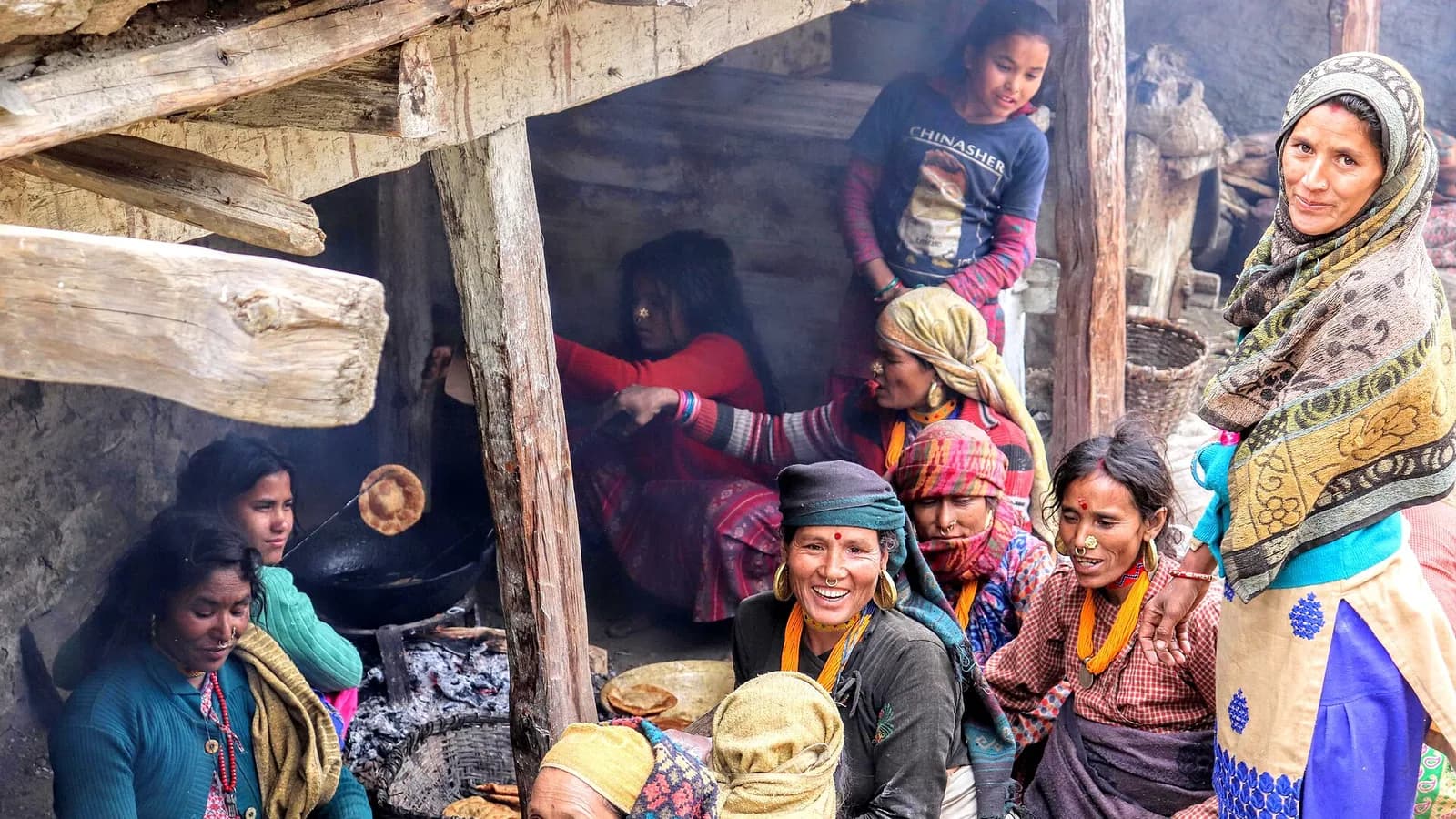
If you have read old travel stories about Kathmandu's "Freak Street" or seen sadhus smoking at temples, you may wonder: is weed legal in Nepal? The short, important answer is no. Cannabis is illegal in Nepal for residents and tourists alike, and has been for roughly half a century. This guide explains the actual law, what penalties visitors risk, why the country's famous cannabis history confuses people, and where slow-moving reform efforts currently stand.
Key takeaways
- Cannabis is illegal in Nepal under the Narcotic Drugs (Control) Act of 2033 B.S. (1976), which bans growing, selling, carrying and using it.
- Tourists get no special treatment — foreigners face the same drug laws as Nepali citizens, plus possible deportation and a re-entry ban.
- The Maha Shivaratri tolerance at Pashupatinath is a policing custom for visiting holy men, not a legal right, and it does not cover travelers.
- Freak Street no longer sells cannabis; the licensed shops closed after the 1973 crackdown.
- Some provincial and local governments are testing regulated cultivation for medicine, fiber or industry, but national prohibition is still in force as of mid-2026.
The short answer: weed is illegal in Nepal
Cannabis in all its common forms — herbal marijuana (ganja), hashish (charas) and the plant itself — is a controlled substance in Nepal. The governing law is the Narcotic Drugs (Control) Act of 2033 B.S., enacted on 22 September 1976. It prohibits the cultivation, production, preparation, purchase, sale, distribution, export, import, trafficking, storage and consumption of cannabis.
In plain terms: you cannot legally grow it, buy it, carry it, sell it, or smoke it. There is no licensed retail market, no decriminalized "personal amount," and no tourist carve-out. If someone in Thamel or Pokhara tells you it is "fine for foreigners," they are wrong — and often setting you up.
This is worth understanding before you arrive, the same way you would read up on Nepal's tourist scams or general safety for tourists. A relaxed atmosphere is not the same as a relaxed law.
How Nepal went from open sale to a total ban
Cannabis has deep roots in Nepali culture, agriculture and Hindu religious practice, and for most of the country's history it was simply part of daily life. Until 1973, cannabis could be freely grown, bought and sold, and government-licensed shops sold it openly. Kathmandu's Jhochhen Tole — nicknamed "Freak Street" — became a famous stop on the 1960s and 70s "hippie trail," drawing Western travelers chasing cheap, legal hashish.
That era ended under international pressure. In 1973 Nepal cancelled the licenses of cannabis shops, dealers and farmers, and in 1976 it passed the Narcotic Drugs (Control) Act that still defines the law today. The legal shops vanished, and possession became a criminal matter rather than a market transaction.
So the romantic image many visitors carry — of a country where weed is openly tolerated — is a snapshot of a moment that legally closed about fifty years ago.
Penalties: what tourists actually risk
Drug penalties in Nepal scale with the quantity involved and the specific offense charged. Cannabis offenses generally sit at the lower end of the narcotics scale, but "lower end" still means fines, a criminal process, and potential jail time. Published summaries of the Act describe a tiered structure roughly like this.
| Offense (cannabis) | Indicative penalty | | --- | --- | | Consumption / use | Up to ~1 month imprisonment or a fine up to NPR 2,000 | | Small possession (up to ~50 g) | Up to ~3 months imprisonment or a fine up to NPR 3,000 | | Possession ~50–500 g | ~1 month to 1 year imprisonment and a fine (NPR 1,000–5,000) | | Possession ~500 g–2 kg | ~6 months to 2 years imprisonment and a larger fine | | Cultivation (up to ~25 plants) | Up to ~3 months imprisonment or a fine up to NPR 3,000 | | Large-scale trafficking (over 10 kg of narcotics) | Up to ~10 years imprisonment and heavy fines |
Figures above reflect summaries of the 1976 Act and related guidance current as of June 2026; treat them as indicative, not a substitute for legal advice. Penalty thresholds and amounts can be amended over time.
Extra consequences for foreigners
The fine is rarely the worst part for a visitor. Foreign nationals are subject to the same drug laws as locals, with no tourist exemption — and on top of any penalty, a conviction can bring deportation and a permanent ban on re-entering Nepal. The UK's Foreign Office warns that travelers caught with even small amounts of marijuana can face imprisonment after what is typically a long and expensive legal process. A few days of "fun" can turn into weeks tangled in the system, legal fees, and the end of any future Nepal trip.
If you take prescription medication, that is a separate issue — carry documentation and check the rules, much as you would when reading our vaccinations for Nepal guidance before you travel.
The Shivaratri exception that is not really an exception
Every year at Maha Shivaratri, thousands of sadhus (Hindu ascetics) gather at the Pashupatinath Temple in Kathmandu, and cannabis use is openly visible. Because cannabis is associated with Lord Shiva, smoking it carries religious meaning for these holy men, and authorities generally look the other way during the festival.
It is essential to read this correctly. The Shivaratri tolerance at Pashupatinath is a policing custom, not a legal exemption. Decades ago Nepalese authorities even used to supply cannabis to sadhus, but that practice was stopped in the 1990s after criticism that it "promoted" drug use. What remains is informal forbearance toward visiting ascetics on one specific occasion — not permission for tourists to join in. A foreign visitor lighting up at the festival is breaking the law and may be treated very differently from a sadhu.
If you want to experience Shivaratri, do it as a respectful observer. Our guides to temple etiquette for tourists and the Maha Shivaratri gathering at Pashupatinath cover how to be a welcome guest.
Freak Street today: history, not a dispensary
Travelers sometimes go looking for Jhochhen Tole expecting a lingering cannabis scene. They will not find one. The licensed shops that made "Freak Street" famous closed after the 1973 crackdown, and the lane is now an ordinary, slightly faded historical district near Kathmandu Durbar Square. It is a pleasant, atmospheric walk and a piece of counterculture history — but it is not a place to buy weed, and anyone who offers it there is operating illegally.
Where reform actually stands
There is real, if slow, movement on cannabis policy in Nepal — but it is important not to mistake debate for legalization.
National level: still prohibited
At the federal level, cannabis remains banned under the 1976 Act. A private member's bill to legalize cannabis has been raised in the Federal Parliament, and a finance minister has previously floated legalizing cultivation for medicinal use, but as of mid-2026 no national law has decriminalized or legalized cannabis. The prohibition stands.
Provincial and local pilots
Sub-national governments have started cautiously exploring regulated cultivation:
- Gandaki Province tabled a Cannabis Cultivation Regulation and Management Bill (2082 B.S.) to allow controlled growing for medicinal and industrial use under government supervision. The bill went to committee for deliberation, where experts flagged that it needs clearer THC and CBD definitions and that it conflicts with the federal narcotics law — so it is not yet in force.
- Ilam Municipality published a hemp cultivation procedure in late 2025 and invited farmers to propose projects, with strong interest reported. For now, however, it permits cultivation only for fiber (yarn and cloth), not recreational use.
These pilots are about agriculture, medicine and industry under tight government control — not about letting visitors buy or smoke cannabis. Until federal law changes, none of this makes recreational use legal anywhere in Nepal.
Practical advice for visitors
The simplest, safest approach is to treat cannabis as completely off-limits during your trip. A few specifics:
Do
- Assume the law applies to you fully, everywhere, with no tourist exemption.
- Politely decline anyone offering drugs in Thamel, Pokhara's Lakeside, trekking trailheads or at festivals.
- Carry documentation for any prescription medicine and keep it in original packaging.
- Enjoy the legal side of Nepal — there is no shortage, from trekking to temples to the best places to visit in 2026.
Avoid
- Buying from street dealers — it is illegal and a common setup for stings, extortion and overcharging scams.
- Carrying cannabis across Nepal's borders, which is treated as a far more serious trafficking offense.
- Assuming "everyone does it" means it is allowed; visible use does not equal legal use.
If anything goes wrong with the law while you are traveling, contact your embassy promptly. Our broader travel-advisory overview explains how to think about official guidance and consular help.
The bottom line
Nepal's cannabis story is genuinely fascinating — from open shops and Freak Street to a U.S.-pressured ban to today's tentative reform bills. But the legal reality is simple and unchanged where it matters for you: weed is illegal in Nepal, the law applies to tourists, and the downside risk includes jail, deportation and a re-entry ban. Soak up the history and the temples, skip the substance, and you will have a far better trip.
Sources
- Cannabis in Nepal — Wikipedia
- Current Status of Cannabis Legalization and Decriminalization Efforts in Nepal — PMC / Taylor & Francis
- Cannabis in Nepal — Laws, Use, and History — Sensi Seeds
- Two subnational governments in Nepal on the path to legalizing cannabis cultivation — Nepal News
- Gandaki govt drafts bill for marijuana farming, license mandatory — The Rising Nepal
- Understanding Nepal's Narcotic Drugs Control Act — Nepal Lawyer
- Cannabis Smuggling Law Nepal: Punishment Guide 2025 — Corporate Biz Legal
Frequently asked questions
- Is weed legal in Nepal in 2026?
- No. Cannabis remains illegal nationwide under the Narcotic Drugs (Control) Act of 1976, which bans cultivation, sale, possession and use. Reform bills exist but none has changed the national ban.
- Can tourists smoke weed in Nepal?
- No. Foreign visitors are subject to exactly the same drug laws as Nepali citizens, and there is no special tolerance or exemption for tourists anywhere in the country.
- What happens if a foreigner is caught with cannabis in Nepal?
- Penalties can include fines, imprisonment after a long legal process, deportation and a ban on re-entering Nepal. The exact outcome depends on the quantity and the charge.
- Is cannabis allowed during Maha Shivaratri at Pashupatinath?
- Use by visiting sadhus is informally tolerated at the festival as a policing custom, but it is not a legal exemption and does not apply to tourists.
- Does Freak Street in Kathmandu still sell weed?
- No. Freak Street (Jhochhen) was a hippie-era hub before the 1973 crackdown, but the licensed shops are long gone and it is now an ordinary historical district.
- Has Nepal legalized medical marijuana?
- Not at the national level. As of mid-2026 some provincial and municipal bodies are exploring regulated cultivation, but medical cannabis is not legally available to the public.
- Is it safe to buy weed from a street dealer in Nepal?
- No. Buying from dealers is illegal, exposes you to scams and police stings, and a purchase can lead to arrest, extortion or deportation.
Related posts
Is Marijuana Legal in Nepal? Laws Tourists Must Know
Is marijuana legal in Nepal? No - cannabis is illegal for tourists and locals alike. Here is what the law says, the penalties, and the cultural context.
Read postBalen Shah: A Traveler's Guide to Nepal's Mayor-PM
Who is Balen Shah? A neutral, fact-checked profile of the rapper-turned-engineer who led Kathmandu and became Nepal's prime minister, for curious visitors.
Read postIs It Safe to Travel to Nepal Now? (2026 Update)
Is it safe to travel to Nepal now? An honest 2026 look at advisories, the 2025 protests aftermath, and the real risks — plus how to check live.
Read post