Is Nepal Safe for Solo Female Travellers? 2026
Is Nepal safe for solo female travellers? A practical 2026 prep playbook — official advice, accommodation and transport vetting, and a confidence toolkit.
Preparation is the real safety gear — and for solo women in Nepal, most of it fits in your head before you ever land.
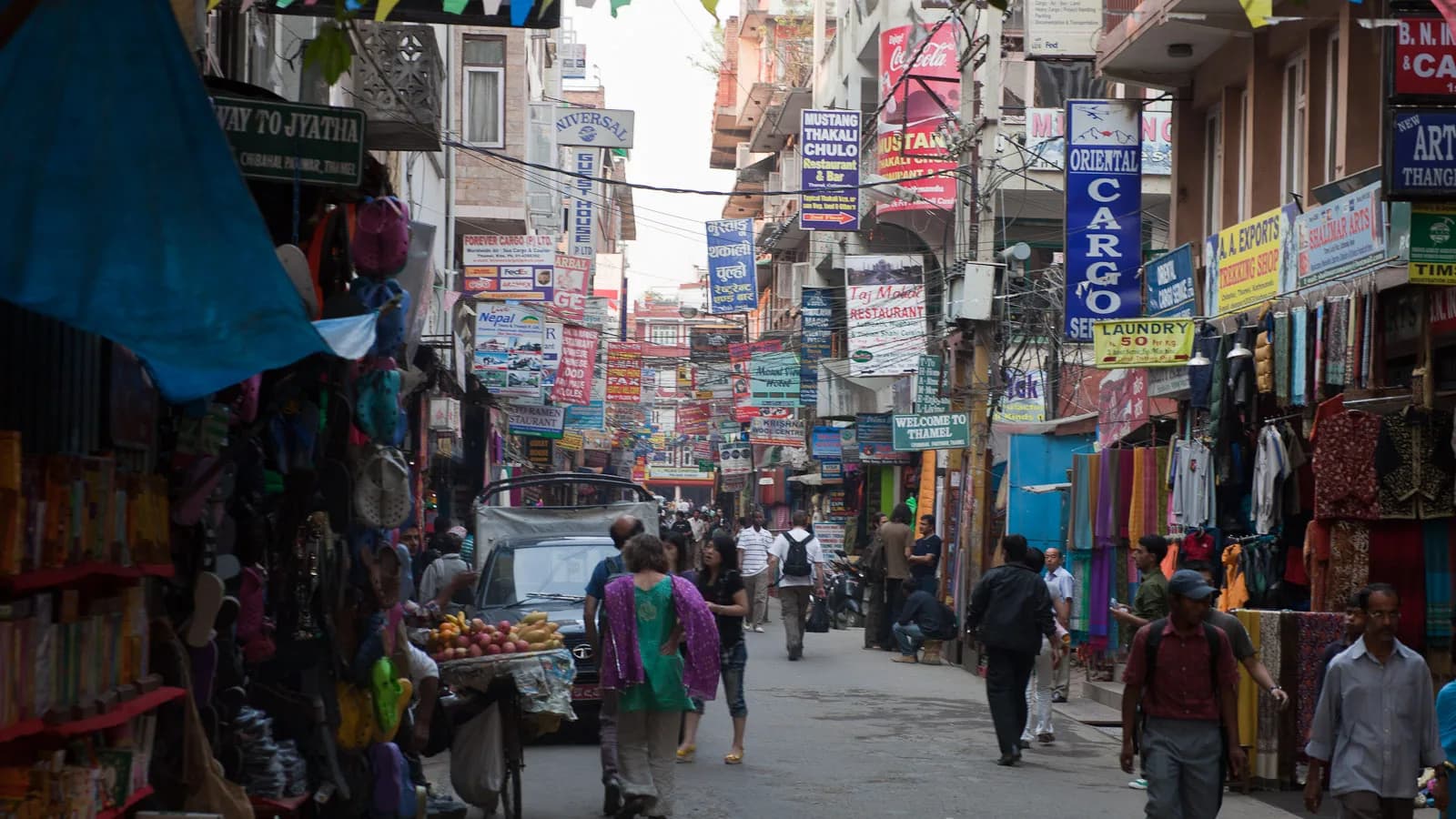
Is Nepal safe for solo female travellers? Short answer: for the large majority of women, yes — Nepal is consistently rated one of South Asia's more comfortable destinations to travel alone, and tens of thousands of solo women trek, sightsee and volunteer here every year without incident. But "generally safe" is not the same as "do nothing and hope," and the difference between a smooth trip and an uncomfortable one usually comes down to preparation, not luck.
This guide is deliberately practical. Rather than re-litigate every risk, it gives you a pre-trip playbook: what the official advice actually says in 2026, how to vet accommodation and transport, where the verbal toolkit fits in, and the women-specific options Nepal now offers. For the full honest risk-by-risk breakdown, pair this with our companion piece on solo female travel safety in Nepal — that post is the deeper assessment; this one is the planning layer on top of it.
Key takeaways
- Nepal is broadly safe for solo female travellers in 2026; the US advisory sits at Level 2 (Exercise Increased Caution) as of 31 March 2026, down from Level 3.
- The most useful safety work happens before you land — choosing the right neighbourhood, transport and trek setup removes most situations before they start.
- UK guidance is candid that women have been assaulted in some Kathmandu tourist areas after dark, so night-time movement deserves real planning, not improvisation.
- A small Nepali verbal toolkit (deflection and help phrases) is a confidence tool — you will rarely need it, but knowing it changes how you carry yourself.
- Nepal now has a meaningful pool of licensed female guides and women-led agencies, an easy upgrade for solo women on the trail.
- Mundane risks — roads, stomach bugs, petty theft — are far more likely to affect your trip than anything dramatic.
What the official advice says in 2026
Government travel advice is the least sensational place to start, because it is updated regularly and has no reason to oversell a destination. As of mid-2026, no major government is telling people to avoid Nepal.
| Source | Position (2026) | What it flags for women / solo travellers | |---|---|---| | US State Department | Level 2 — Exercise Increased Caution (31 March 2026) | Lowered from Level 3 after the 2025 protests ended; cites possible demonstrations, road safety and limited medical care | | UK FCDO | No advisory against travel | Notes pickpocketing in tourist zones and that women have been sexually assaulted in areas such as Thamel and Sanepa; advises caution alone after dark | | Australia (Smartraveller) | Exercise a high degree of caution | Advises avoiding protests and large crowds, especially in cities |
The throughline is consistent: travel normally, use standard caution, stay away from political crowds, and respect a few specific hazards. The nationwide demonstrations that began in September 2025 have ended and the situation is stable, though smaller protests and general strikes (bandhs) can still flare up in cities with little warning. For how to read these advisories without overreacting, see our Nepal travel advisory explainer, and for the wider tourist-safety picture, is Nepal safe.
Prepare before you land
This is where solo female travel safety is actually won. Decisions you make from your sofa do more for your safety than anything you can improvise on the ground.
Pick the right base, not just the cheapest
Where you sleep sets the tone for everything else.
- Choose a well-reviewed guesthouse with 24-hour reception and read recent reviews specifically from solo women.
- Favour a room near the lobby over one down a long, isolated corridor, and check that the door has a working lock you can operate from inside.
- In Kathmandu, central tourist areas are convenient but busy; in Pokhara, Lakeside is well-lit and stays lively into the evening, which many solo women find more relaxed. Our where to stay in Kathmandu guide breaks down the neighbourhoods.
Sort transport in advance
Transport is the single most underrated safety lever.
- Install a ride-hailing app before you arrive so you are never stuck flagging an unknown car at night.
- For airport arrivals, use the prepaid taxi desk inside the terminal rather than negotiating outside.
- For long routes, choose reputable tourist buses over cheap local ones, and avoid overnight mountain road travel where you can — bus accidents are genuinely common in Nepal, and far more dangerous statistically than crime. Our Kathmandu to Pokhara tourist bus guide explains the difference.
Settle your trekking setup early
If you plan to trek, decide the format before you go.
- On the major routes inside national parks and conservation areas, foreigners must trek with a licensed guide under Nepal's 2023 rule — so the question is not whether to use a guide, but which one. Our solo trekking in Nepal guide covers exactly where the rule applies.
- Carry insurance that explicitly covers high-altitude trekking and helicopter evacuation, and learn the warning signs of altitude sickness before you climb.
Women-specific options that make solo travel easier
One of the genuinely positive shifts in Nepal's trekking scene is how much easier it now is to travel with other women if you want to.
Female guides and women-led agencies
Nepal has a growing pool of licensed female trekking guides and a number of women-led agencies that focus specifically on women travellers. Many mainstream companies will also arrange a female guide on request. For a lot of solo women, hiring a female guide is the single best comfort upgrade available — you keep the independence of solo travel while having a trained companion who handles navigation, altitude pacing and teahouse logistics, and who can step in if any interaction feels off.
Female-only group treks
If you would rather not be fully solo on the trail, female-only group departures are widely available on the popular routes. They split the difference nicely: you travel independently to and from the trek, but share the trail itself with other women and a guide.
The on-the-ground habits that matter
None of these are dramatic. They are the small, repeatable habits that keep an already-safe trip smooth.
Night-time is the one to plan around
This is where the official advice is most specific. UK guidance notes that assaults and robberies are more likely in the evening in poorly lit areas, and that women have been assaulted in tourist zones like Thamel and Sanepa. The takeaway is not fear — it is a simple rule:
- Use a ride-hailing app or hotel-arranged taxi after dark rather than walking unfamiliar streets.
- Tell reception where you are going and roughly when you will be back.
- Carry your hotel's business card so a driver can get you home even if your phone dies.
Drinks and food
- Watch your drink being poured and do not leave it unattended; drink-spiking risk is low but documented.
- Be wary of cheap local spirits — there is a methanol-poisoning risk in some — and seek urgent medical help if you feel unusually unwell after drinking.
- Stomach upsets are statistically the most likely thing to derail a trip, so stick to safe water and busier, higher-turnover restaurants. Our guide on whether the water is safe to drink in Nepal covers the basics.
Petty theft
Pickpocketing and bag-snatching are the crimes you are most likely to actually meet, concentrated in airports, on buses and in busy tourist areas. Keep valuables in a front pocket or money belt, don't flash cash or phones, and stay alert in crowds and at festivals.
Dress with the context
Casual Western clothing is fine in Thamel, Pokhara Lakeside and Patan. Cover shoulders and knees at temples and during religious festivals, and dress more conservatively in the Terai (Lumbini, Chitwan, Janakpur), where norms are more traditional. A light scarf doubles as temple cover-up and sun protection. A little temple etiquette goes a long way.
A short Nepali confidence toolkit
You will almost certainly never need these, which is exactly why they are worth memorising — the confidence of preparation is itself a deterrent. A handful of clear, firm phrases let you set a boundary or ask for help without fumbling for words.
| Situation | Nepali | Meaning | |---|---|---| | Setting a boundary | Chhadnus | "Leave me alone, please" | | Deflecting attention | Ma mero shrimanko lagi parkhirahekri chhu | "I am waiting for my husband" | | Asking a woman for help | Didi, malai sahayog garnuhunchha? | "Older sister, can you help me?" | | Hotel safety | Mero kotha badalidinus | "Please change my room" | | Requesting a woman | Malai mahila guide chahinchha | "I need a female guide" |
Our dedicated solo female traveller Nepali toolkit builds these into a full escalating script, with audio and the kinship address (didi) that often turns a bystander into an ally. For scam-specific deflection lines, the scam-defence phrases page covers the touts you will meet at trailheads and tourist hubs.
If something does go wrong
Serious incidents are rare relative to the number of women who visit, but it pays to know your options cold.
- Tourist Police — 1144. A specialised, English-speaking branch of the Nepal Police, staffed around the clock in the Kathmandu valley and Pokhara, based at Bhrikutimandap inside the Nepal Tourism Board premises. They handle lost documents, theft reports and general assistance.
- Police — 100 for general emergencies.
- Women's-rights helpline — 1145 operates within Nepal for issues affecting women.
- Your embassy's after-hours line — save it before you fly.
If a serious incident occurs: get to a safe, busy place (a hotel lobby, shop or police post), contact your accommodation (they often have an emergency line and can call police), file a report with the tourist police, document details immediately, and contact your embassy for support.
So — is Nepal safe for solo female travellers?
Yes, for the typical traveller, with the same honest caveats that apply to most of the world: violent crime against tourists is rare, the welcome is genuine, and the risks that actually matter are mundane and plannable. The women who run into trouble in Nepal are rarely the victims of something dramatic — more often they skipped insurance before a high trek, took a cheap night bus, or walked an unlit street alone at 1am. Plan around those, lean on the female-guide options Nepal now offers, keep a few Nepali phrases in your back pocket, and "safe" stops being a question.
Sources
- Nepal Travel Advisory — US Department of State
- Nepal travel advice: Safety and security — UK FCDO (GOV.UK)
- Nepal travel advice: Local laws and customs — UK FCDO (GOV.UK)
- Advice for women travelling abroad — UK FCDO (GOV.UK)
- Nepal Travel Advice & Safety — Smartraveller (Australia)
- Tourist Police — Nepal Tourism Board
- Tourist Police — Nepal Police
Frequently asked questions
- Is Nepal safe for solo female travellers in 2026?
- For most visitors, yes. Nepal is one of South Asia's more comfortable destinations for women travelling alone, violent crime against tourists is rare, and tourist areas are operating normally. Standard precautions still apply, especially after dark.
- What does the official travel advice say about Nepal right now?
- The US lists Nepal at Level 2 (Exercise Increased Caution) as of 31 March 2026, down from Level 3. The UK FCDO has no advisory against travel but notes that women have been assaulted in some Kathmandu tourist areas, so caution after dark matters.
- Is it safe for a woman to walk alone at night in Kathmandu?
- It is better avoided. UK guidance specifically warns that assaults and robberies are more likely in the evening in poorly lit areas, including tourist zones like Thamel and Sanepa. Use a ride-hailing app or hotel taxi at night instead.
- Can I hire a female trekking guide in Nepal?
- Yes. Nepal has a growing number of licensed female guides and women-led trekking agencies, and many companies will arrange a female guide on request. Booking one is a common choice for solo women who want extra comfort on the trail.
- Do I have to trek with a guide as a solo woman?
- On the major routes, yes. Since April 2023, foreigners must trek with a licensed guide inside national parks and conservation areas, which also removes much of the isolation risk that solo trekking used to carry.
- What emergency numbers should a solo female traveller save in Nepal?
- Save Tourist Police on 1144 (English-speaking, staffed in the Kathmandu valley and Pokhara), Police on 100, and your embassy's after-hours line. A women's-rights helpline operates on 1145 within Nepal.
- How should I dress as a woman travelling in Nepal?
- Casual Western clothes are fine in Thamel, Pokhara and Patan, but modest dress that covers shoulders and knees is expected at temples and in more conservative areas like the Terai. A light scarf is useful for covering up at religious sites.
- Is the drink-spiking risk real in Nepal?
- It is low but documented, and there is also a methanol-poisoning risk in some local spirits. Watch your drink being poured, do not leave it unattended, and avoid drinks offered by strangers, exactly as you would anywhere.
Related posts
Solo Female Travel Nepal: Where to Go and How
A solo female travel Nepal trip-design guide: solo-friendly routes, female-guide options, a sample two-week plan and realistic solo budgeting.
Read postSolo Female Travel in Nepal — An Honest 2026 Safety Assessment
Nepal is generally safe for solo female travelers but the safety floor varies by region, activity, and how visible you are. Specific situations and how to handle them.
Read postHow to Choose the Best Trekking Agency in Nepal (2026)
A practical buyer's guide to choosing a trekking agency in Nepal: TAAN registration, the licences to check, fair pricing, and the red flags to avoid.
Read post