Solo Female Travel Nepal: Where to Go and How
A solo female travel Nepal trip-design guide: solo-friendly routes, female-guide options, a sample two-week plan and realistic solo budgeting.
Safety gets you here in one piece. A good plan is what turns a careful trip into a great one.
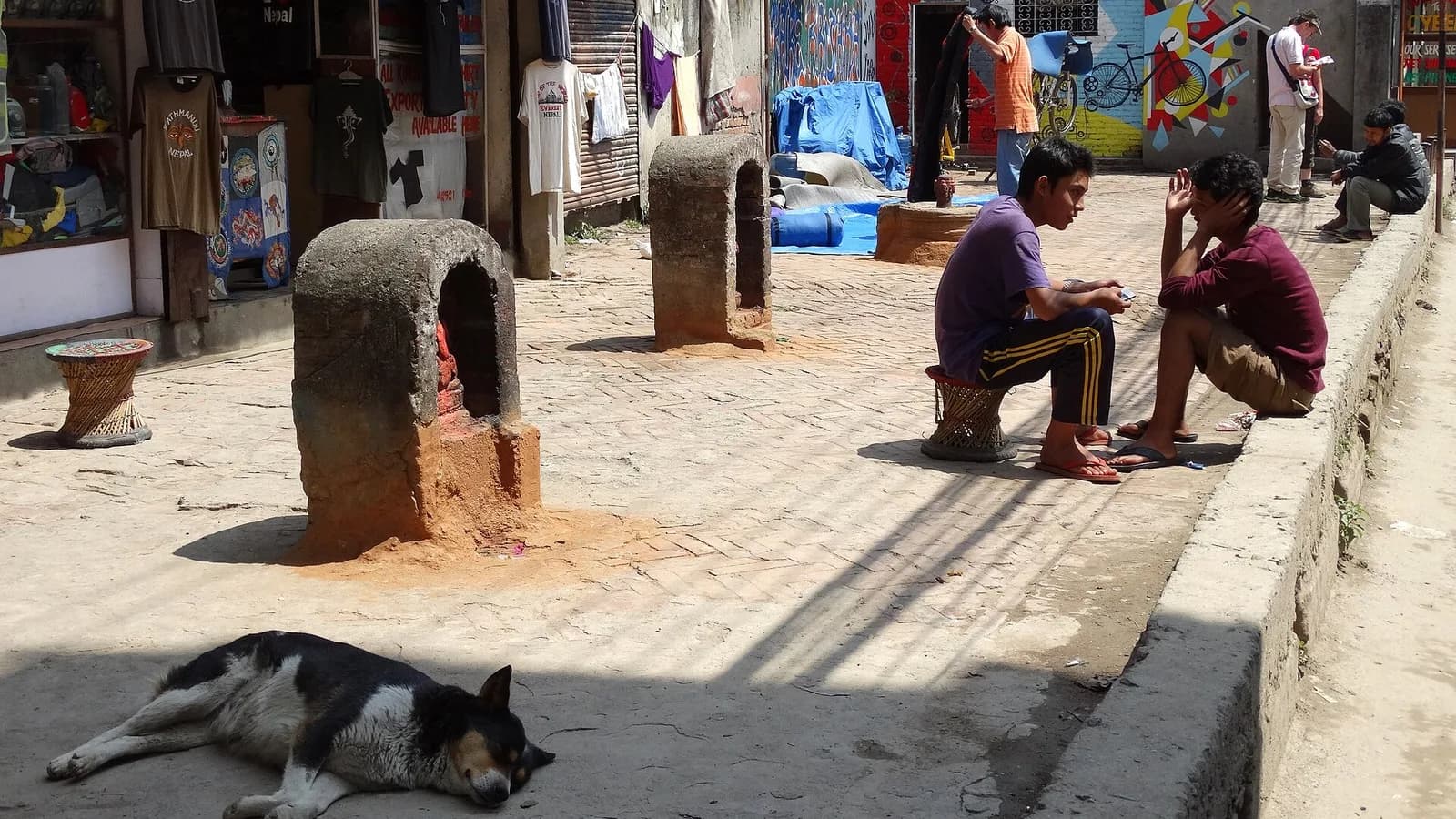
Planning a solo female travel Nepal trip is mostly a design problem, not a danger problem. Whether Nepal is safe for women travelling alone has a reassuring, well-documented answer — covered in depth in our companion guides — so this post does the next job: helping you actually shape the trip. Where do you go, how do you string the legs together, when do you bring a female guide into the picture, and what does it realistically cost to do it alone?
Nepal makes this easier than most. In 2025 it welcomed more than 1.15 million international visitors, and a meaningful share were independent travellers and solo women using infrastructure that is genuinely built for travelling alone — tourist buses, guesthouses used to single guests, and a trekking system where you are rarely the only foreigner on the trail. This is the planning layer that sits on top of the honest safety assessment and the pre-trip safety playbook.
Key takeaways
- Nepal is well set up for independent travel; the design question is how to spend your days, not whether it is doable solo.
- A first solo trip works best as a culture-lake-mountain loop: Kathmandu valley, Pokhara, and one accessible trek.
- Nepal now has women-led agencies and licensed female guides — the single best comfort upgrade for solo women who still want independence.
- On major routes a licensed guide is mandatory (since 1 April 2023), so a guided trek is the baseline, not an optional extra.
- Travelling alone costs a little more than sharing; female-only group treks, hostels and shared transport claw most of that back.
- Autumn and spring give the clearest views and the busiest trails, which usually means easier solo logistics and more company.
Build the trip as a loop, not a checklist
The most common mistake solo travellers make in Nepal is over-scheduling — three remote treks, five cities, and a domestic flight every other day. A calmer shape works better when you are managing logistics alone, especially the first time.
A reliable backbone has three parts:
- Kathmandu valley for culture and an easy landing — temples, old durbar squares, and the Boudhanath and Swayambhunath stupas, all walkable or a short ride apart.
- Pokhara for decompression — a lakeside town that is well-lit, sociable into the evening, and the main jumping-off point for the Annapurna region. Our Pokhara Lakeside guide covers where to base yourself.
- One trek that matches your experience, rather than the most famous one. For many first-timers that is the Ghorepani Poon Hill route from the Pokhara side — short, scenic, and busy enough that you are never truly alone.
This loop keeps travel days short and predictable, which is exactly what you want when there is no one else to split the navigation with.
A sample two-week solo shape
| Days | Base | Focus | |---|---|---| | 1-3 | Kathmandu | Arrive, adjust, valley sightseeing, sort SIM and apps | | 4 | Kathmandu to Pokhara | Tourist bus or short flight | | 5-6 | Pokhara | Lakeside, meet your guide, gear check | | 7-11 | Annapurna foothills | A short guided trek such as Poon Hill | | 12-13 | Pokhara | Recover, paragliding or boating if you like | | 14 | Back to Kathmandu | Buffer day before flying out |
This is a template, not a prescription — our two-week Nepal itinerary offers alternatives if you would rather swap the trek or add Chitwan. The key habit is leaving a buffer day before your international flight so a delayed mountain flight or weather day never costs you the trip home.
The female-guide option is Nepal's quiet superpower
If there is one thing that makes solo female travel in Nepal distinctly easier than in many countries, it is how normal it now is to travel with a trained woman who knows the trail.
Women-led trekking, with a real history
Nepal has a genuine, well-documented pioneer in this space. Sisters Lucky, Dicky and Nicky Chhetri began promoting female trekking guides in Pokhara in the 1990s, founding 3 Sisters Adventure Trekking and the associated non-profit Empowering Women of Nepal (EWN), which was registered in 1999. EWN trains Nepali women as mountain guides, and 3 Sisters specialises in pairing female guides with women travellers — an option that did not meaningfully exist a generation ago.
The practical upside for a solo traveller is simple: you keep the independence of going alone, but hand off navigation, altitude pacing and teahouse logistics to someone trained, and you have a built-in companion if any interaction on the trail feels off. For a lot of women that single decision is what turns "solo trek" from intimidating to genuinely fun.
Female-only group departures
If you would rather not be fully alone on the trail at all, female-only group treks run on the popular routes. They split the difference nicely — you travel independently to and from the trek, but share the trail itself with other women and a guide, which also spreads the cost of a private guide across the group. When you are comparing operators, our guide to choosing a trekking agency covers what to check before you book.
Know the rules before you pick a route
Two regulatory facts shape every solo trekking plan in Nepal, so build around them rather than discovering them at the trailhead.
A licensed guide is mandatory on major routes
Since 1 April 2023, foreign trekkers — solo or in a group — must be accompanied by a licensed guide inside Nepal's national parks and conservation areas, hired through a government-registered agency. The rule was introduced largely for safety, to cut down on people getting lost or pushing too high too fast. Day hikes on the outskirts of Kathmandu and Pokhara are exempt, but the classic multi-day routes are not. Our solo trekking in Nepal guide explains exactly where the rule bites.
Permits to budget for
Most popular treks require a TIMS (Trekkers' Information Management System) card plus the relevant area permit, all arranged through your agency:
| Route type | Typical permits | Notes | |---|---|---| | Annapurna (Poon Hill, ABC, Circuit) | TIMS + ACAP | The most common first-trek permits | | Everest region | TIMS + local/park fees | Often arranged as a package | | Restricted areas (e.g. Upper Mustang) | Special permit + minimum group | Suits organised trips, not fully solo travel |
TIMS cards carry a per-route fee that differs for individual versus group trekkers and for SAARC nationals, and fees do change, so confirm the current figure (in Nepalese rupees, NRs) with your agency when you book rather than relying on an old number. Restricted-area permits in particular usually require a minimum group size, which is why regions like Upper Mustang are organised-trip territory rather than spur-of-the-moment solo trekking.
Budgeting a solo trip honestly
Travelling alone in Nepal costs a little more per head than travelling as a pair, for one structural reason: you cannot split the things that are priced per room or per guide. A private double room and a private guide cost roughly the same whether one person uses them or two.
The good news is that the gap is small and easy to manage:
- Hostels and social guesthouses in Thamel and Lakeside cut accommodation costs and double as the easiest way to meet other travellers.
- Female-only group treks spread a guide's daily fee across the whole group instead of you alone.
- Shared transport — tourist buses over private cars, shared jeeps on rough sections — keeps the per-day cost down.
For a realistic framework rather than invented numbers, our daily budget for Nepal guide breaks down what city days versus trekking days actually involve. The headline: sightseeing days are inexpensive; trekking days cost more once a guide, permits and teahouse stays are added, and you should plan a contingency buffer for weather delays and the occasional domestic flight.
Where solo travellers tend to over- or under-spend
- Over-spend: last-minute domestic flights, private cars when a tourist bus would do, and booking a fully private trek when a group departure was available.
- Under-spend (a false economy): skipping travel insurance that covers high-altitude trekking and helicopter evacuation, or taking the cheapest overnight mountain bus to save a few rupees. Roads, not crime, are the real statistical risk in Nepal.
Make it social if you want to
Solo does not have to mean alone the whole time, and Nepal is unusually good for dialling your social level up or down.
- Hostels and group treks are the obvious on-ramps — shared dorms, common rooms and multi-day trails naturally throw travellers together.
- Lakeside Pokhara is the social heart of the country for independent travellers; cafes and rooftop spots make solo dinners feel normal rather than awkward.
- Day tours and classes — a cooking class, a guided valley walk, a yoga morning — give structure and company for a few hours without committing to a group for the whole trip.
A few words of Nepali help here too. Even a confident Namaste and a dhanyabaad ("thank you") shift interactions warmer, and addressing an older woman as didi (older sister) is a small, genuine courtesy that locals notice. The site's phrasebook and Nepali lessons are worth a skim before you fly.
Time it for easy logistics
When you go affects how easy the solo experience feels, not just the weather.
- Autumn (around October to November) is the headline trekking season — clear mountain views, stable weather, and the busiest trails, which for a solo traveller means more company and smoother logistics.
- Spring (around March to April) is the other prime window, with rhododendron blooms and warming days.
- Winter is quieter and cold at altitude but fine for valley and lower-elevation travel.
- Monsoon (summer) brings rain, leeches and cloud-covered peaks on most routes, though rain-shadow regions like Mustang stay relatively dry.
For solo women specifically, the busier shoulders of autumn and spring are usually the sweet spot: more trekkers on the trail, more departures to join, and easier last-minute arrangements.
Quick pre-trip checklist
- Decide your loop and leave a buffer day before the flight home.
- Book a guide or female-only group trek through a registered agency.
- Confirm current TIMS and area-permit fees at booking time.
- Arrange insurance covering high-altitude trekking and helicopter evacuation.
- Install a ride-hailing app and sort a local SIM on arrival.
- Skim the safety companion guides and a handful of Nepali phrases.
Solo female travel in Nepal rewards a calm, well-shaped plan more than a packed one. Pick a sensible loop, lean on the female-guide options the country has quietly built, respect the guide rule, budget honestly, and the country does most of the rest. For the safety-specific groundwork that underpins all of this, start with our honest safety assessment and the pre-trip playbook.
Sources
- International Visitor Arrivals 2025 — Nepal Tourism Board (trade portal)
- Nepal records 1.158 million tourist arrivals in 2025 — Tourism Info Nepal
- ALERT: New Requirements For Use of Trekking Guides/Porters Effective April 1, 2023 — U.S. Embassy in Nepal
- TIMS Card — Nepal Tourism Board
- About us — Empowering Women of Nepal (EWN)
- 3 Sisters Adventure Trekking — A Women Owned Company
- Nepal Travel Advisory — US Department of State
- US lowers Nepal to Level 2 in travel advisory — The Kathmandu Post
Frequently asked questions
- Is Nepal a good destination for solo female travel?
- Yes. Nepal is one of South Asia's more comfortable destinations for women travelling alone, the trekking and tourist infrastructure is set up for independent travellers, and it now has women-led agencies and licensed female guides. Standard precautions still apply, especially after dark.
- Where should a first-time solo female traveller go in Nepal?
- A common first loop is Kathmandu valley for culture, Pokhara to relax by the lake, and one accessible trek such as Ghorepani Poon Hill. It mixes city, lake and mountains without long, remote stretches, and every leg is well-served by tourist buses and guides.
- Can I hire a female trekking guide in Nepal?
- Yes. Nepal has a growing pool of licensed female guides, and women-led pioneers like 3 Sisters Adventure Trekking in Pokhara specialise in matching solo women with female guides. Many mainstream agencies will also arrange one on request.
- Do I have to trek with a guide as a solo woman in Nepal?
- On the major routes, yes. Since 1 April 2023, foreign trekkers must be accompanied by a licensed guide inside national parks and conservation areas, hired through a registered agency. Day hikes around Kathmandu and Pokhara are exempt.
- How much does a solo trip to Nepal cost per day?
- It varies widely by style, but many independent travellers budget a mid-range daily figure that comfortably covers a guesthouse, meals, local transport and small entry fees, with trekking days costing more once you add a guide, permits and teahouse stays. Check current prices when you plan.
- Is it more expensive to travel Nepal alone than as a couple?
- Slightly, mainly because you cannot split a room or a private guide. Solo women often offset this by joining female-only group treks, sharing transport, or staying in social hostels, which spread fixed costs across more people.
- What trekking permits do solo women need in Nepal?
- Most popular treks need a TIMS card plus the relevant area permit, such as ACAP for Annapurna, arranged through your agency. Restricted areas like Upper Mustang need special permits and a minimum group size, so they suit organised trips rather than fully solo travel.
- When is the best time for a solo trekking trip in Nepal?
- Autumn (roughly October to November) and spring (roughly March to April) bring the clearest mountain views and the most other trekkers on the trail, which many solo women prefer for the company and the easier logistics.
Related posts
Is Nepal Safe for Solo Female Travellers? 2026
Is Nepal safe for solo female travellers? A practical 2026 prep playbook — official advice, accommodation and transport vetting, and a confidence toolkit.
Read postSolo Female Travel in Nepal — An Honest 2026 Safety Assessment
Nepal is generally safe for solo female travelers but the safety floor varies by region, activity, and how visible you are. Specific situations and how to handle them.
Read postAnnapurna Trek Package: How to Choose One in 2026
A practical guide to picking an Annapurna trek package in 2026 — durations, what is included and excluded, permits, the guide rule, and how to compare quotes.
Read post