Do I Need Malaria Tablets for Nepal? An Honest Answer
Do you need malaria tablets for Nepal? For most tourists the answer is no. Here is what the CDC, NaTHNaC and CIWEC actually advise for 2026.
For almost every visitor to Kathmandu, Pokhara and the trekking trails, the answer is simply: no.
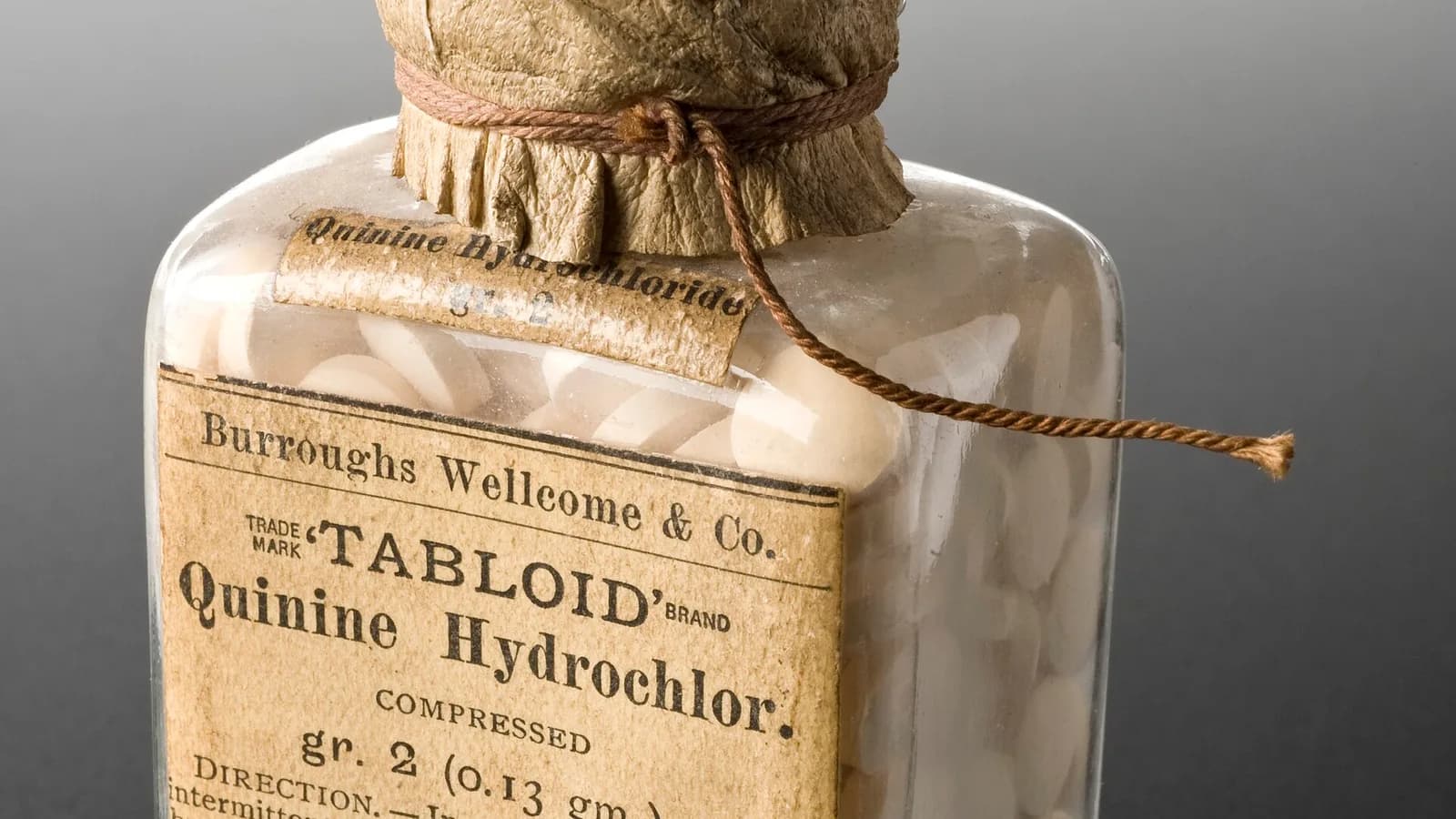
If you are planning a trip to Nepal and wondering "do I need malaria tablets for Nepal?", here is the short, honest version before the detail: for the vast majority of visitors, no. Kathmandu, Pokhara, the Everest and Annapurna trekking regions and almost every place tourists actually go carry no meaningful malaria risk. Antimalarial tablets are a real consideration only for a narrow set of trips into the rural southern lowlands. This guide walks through what the CDC, the UK's NaTHNaC travel service and Kathmandu's own CIWEC Hospital advise, who the exceptions are, and why a different mosquito-borne disease deserves more of your attention.
Key takeaways
- For typical tourism in Kathmandu, Pokhara and the mountains, malaria tablets are not recommended.
- Malaria risk in Nepal is low, seasonal and geographically narrow — mainly rural Terai districts below about 1,500–2,000m, peaking June–August.
- Nepal recorded only a handful of indigenous malaria cases nationally in recent years (the WHO reported 36 cases for the whole country in 2022), and most are Plasmodium vivax.
- Tablets may be considered only in exceptional cases: long rural stays or travellers at higher risk of severe illness.
- Dengue is now the far more common mosquito-borne illness for visitors, and it has no preventive pill — so bite avoidance matters most.
- Whatever your route, mosquito-bite prevention is the universal advice; pack repellent and cover up in the lowlands.
The short answer for most travellers
Health authorities are unusually consistent on this. NaTHNaC (the UK travel health service behind TravelHealthPro) states there is "no risk of malaria in the city of Kathmandu and on typical Himalayan treks," where only bite avoidance is recommended. The US CDC's destination guidance likewise lists no malaria chemoprophylaxis for the vast majority of the country, recommending tablets only for specific low-altitude western districts.
CIWEC Hospital — the long-established travel clinic in Kathmandu that has treated foreign visitors for decades — puts it plainly: there is no malaria risk in Kathmandu, Pokhara or the mountain trekking areas. Remarkably, CIWEC reports it has not seen a single case of malaria acquired in Nepal in a traveller in 25 years. So if your itinerary is the classic mix of valley sightseeing, lakeside Pokhara and a teahouse trek, you do not need malaria tablets.
If you are still firming up your route, our Nepal itinerary for 7 days and best time to visit Nepal guides cover the destinations and seasons that keep you well clear of malaria territory.
Where malaria risk actually exists in Nepal
Malaria in Nepal is confined to the Terai — the flat, humid lowland strip along the southern border with India — and the inner Terai valleys, forest fringes and foothills. Within that band, risk concentrates in rural areas below roughly 1,500–2,000m, and it is highest in the far-western and mid-western districts. The transmission season runs broadly March to October, with the peak during the monsoon months of roughly May to August when mosquito numbers surge.
A few points put the risk in perspective:
- Nepal's national malaria burden has fallen sharply. The country has been driving toward elimination, and indigenous case counts are now very low — the WHO reported just 36 cases nationally in 2022.
- The dominant parasite is Plasmodium vivax, which is generally less dangerous than the falciparum form, though both can occur.
- The areas with measurable risk are mostly remote rural districts that few short-term tourists visit.
A quick risk map by destination
| Destination | Typical altitude | Malaria risk | Tablets usually needed? | |---|---|---|---| | Kathmandu Valley | ~1,400m | None | No | | Pokhara | ~820m | None for visitors | No | | Everest / Annapurna treks | 1,500m+ | None | No | | Chitwan National Park | ~150m | Very low | No (bite precautions) | | Rural far-western Terai | Below ~1,500m | Low, seasonal | Only in special cases |
Heights are approximate and vary by exact location. The takeaway is simple: only the bottom row of that table is where the question of tablets even comes up.
What about a Chitwan or Bardia safari?
This is the most common worry, because a jungle safari feels like classic malaria country. Chitwan sits in the lowlands, the lodges are surrounded by forest, and you are out at dawn and dusk when mosquitoes are active. Yet the official advice is reassuring.
CIWEC specifically recommends mosquito-bite precautions and no malaria prophylaxis for short visits to Chitwan National Park, even in the monsoon season. The same logic extends to the typical safari pattern: a few nights in a lodge, guided activities, and a return to the hills. The combination of low actual transmission and good bite avoidance is considered enough.
That said, "no tablets" does not mean "no precautions." Use repellent, wear long sleeves and trousers around dawn and dusk, and sleep under a net or in a screened, air-conditioned room. Our Chitwan National Park safari guide and the broader Nepal national parks overview cover what to pack and expect in the lowlands.
Who should still consider antimalarials
For a small group of travellers, a travel-medicine doctor may still recommend tablets for a low-risk Terai trip. NaTHNaC frames this as "exceptional circumstances," which broadly cover two situations:
- Higher exposure — for example, long-term travellers, those visiting friends and relatives in rural lowland communities, or people spending extended time outdoors in the affected western districts during the transmission season.
- Higher risk of severe disease — including the elderly, the immunosuppressed, people with significant other illnesses, pregnant women, and infants or young children.
If you fall into one of these groups and your itinerary takes you deep into rural Terai during the rainy season, that is the conversation to have with a clinic. For everyone else passing briefly through the lowlands, bite avoidance is the recommended strategy.
If tablets are advised: the usual options
When chemoprophylaxis is genuinely indicated, the standard choices for Nepal are atovaquone-proguanil, doxycycline or mefloquine. Each has a different dosing schedule, cost and side-effect profile, and the right pick depends on your health, how long you will be exposed and personal tolerance. This is a prescription decision for a qualified travel clinic, not something to self-select — which is the single most important reason to book a pre-trip consultation rather than guessing.
| Option | Rough dosing pattern | Notes | |---|---|---| | Atovaquone-proguanil | Daily; start before, continue ~7 days after | Well tolerated; shorter post-trip course | | Doxycycline | Daily; continue ~4 weeks after | Inexpensive; can increase sun sensitivity | | Mefloquine | Weekly | Longest dosing gap; not suitable for everyone |
Dosing shown is the general pattern only; follow your prescriber's exact instructions.
The bigger mosquito story: dengue
Here is the part many Nepal guides bury. For today's traveller, dengue is a much more relevant mosquito-borne disease than malaria — and there is no daily tablet that prevents it.
Dengue has surged in Nepal over the past few years, driven by urbanisation and a warming climate. In 2024, official figures recorded tens of thousands of dengue cases nationwide (Nepal's health authorities reported 41,865 infections and 15 deaths that year, spread across the great majority of districts). Cases have even appeared in valley and cooler hill areas where the disease was once unknown. At CIWEC, among vector-borne illnesses seen in travellers, dengue was by far the most frequent — substantially more common than imported malaria.
Two practical differences from malaria matter:
- Timing of bites. The Aedes mosquitoes that spread dengue bite mainly during daytime, especially around dawn and dusk, whereas malaria mosquitoes feed between dusk and dawn. So daytime repellent use is just as important as evening cover.
- No preventive pill. There is a dengue vaccine, but it is generally reserved for specific groups with prior infection — not a routine traveller jab. Prevention is bite avoidance, full stop.
The upshot: the money and effort some travellers would spend agonising over malaria tablets is better redirected into good mosquito-bite prevention, which protects against dengue, malaria and Japanese encephalitis all at once.
Practical bite-prevention checklist
Whether you ever touch a malaria tablet or not, this is the advice every authority agrees on:
- Repellent on exposed skin — DEET or picaridin-based, reapplied as directed.
- Cover up in the lowlands: long sleeves and trousers, especially at dawn and dusk.
- Sleep protected — under a mosquito net, or in a screened or air-conditioned room.
- Treat clothing with permethrin for longer lowland or jungle stays.
- Clear standing water around accommodation where you can; dengue mosquitoes breed in small clean-water collections like uncovered containers.
- Watch for fever after lowland travel and seek care promptly — both malaria and dengue are treatable when caught early.
How this fits with the rest of your Nepal health prep
Malaria tablets are just one line in a larger health plan, and for most people it is a line you can cross out. The things that genuinely deserve attention are the routine travel vaccinations, altitude on high treks, and clean water. For the full picture, see our guides on vaccinations for Nepal, the altitude sickness trekking guide, and whether the water is safe to drink in Nepal. If you are heading to the lowlands in monsoon, the Japanese encephalitis section of the vaccinations guide is worth a read too.
Note on Japanese encephalitis: like malaria, it is a lowland, monsoon-season, Terai concern — but unlike malaria it has a vaccine, which a clinic may recommend for longer rural lowland stays in summer. That is one more reason a single pre-trip travel-clinic visit is the most efficient way to sort out all your Nepal-specific risks in one go.
The bottom line
So, do you need malaria tablets for Nepal? If you are doing what nearly every visitor does — exploring Kathmandu, relaxing in Pokhara, trekking in the mountains, and perhaps a short jungle safari in Chitwan — the consistent answer from the CDC, NaTHNaC and CIWEC is no. Reserve the chemoprophylaxis conversation for deep, extended rural travel in the western Terai during the rainy season, or for travellers at higher risk of severe illness. For everyone else, skip the worry about pills, take mosquito-bite prevention seriously, and keep an eye on dengue — the mosquito disease that actually deserves your respect in modern Nepal.
Sources
- CDC Yellow Book — Nepal
- CDC Travelers' Health — Nepal
- NaTHNaC / TravelHealthPro — Nepal
- CIWEC Hospital — Malaria Advice for Travelers to Nepal
- Fit for Travel (NHS) — Nepal malaria map
- The Kathmandu Post — Over 800 dengue cases reported from 57 districts since January (2025)
- The Kathmandu Post — Dengue cases down, but virus widespread across Nepal (2025)
- WHO — Dengue Global Situation (2024)
Frequently asked questions
- Do I need malaria tablets for Kathmandu or Pokhara?
- No. There is no malaria risk in Kathmandu, Pokhara or any of the popular hill and mountain areas, so antimalarial tablets are not advised for these destinations.
- Do I need malaria tablets for a Chitwan jungle safari?
- Generally no. CIWEC Hospital advises mosquito-bite precautions and no malaria prophylaxis for short visits to Chitwan, even during the monsoon, though you should still cover up and use repellent.
- Which part of Nepal actually has malaria risk?
- Risk is limited to rural lowland areas of the Terai below roughly 1,500-2,000m, mainly in the far-western districts bordering India, and it is highest from June to August.
- Who should still consider taking antimalarials for Nepal?
- Health services suggest tablets only in exceptional cases, such as long-stay rural visitors or people at higher risk of severe illness like the elderly, the immunosuppressed, pregnant women and young children.
- Which malaria tablets are used for Nepal if they are needed?
- When prophylaxis is advised for a high-risk rural trip, the usual options are atovaquone-proguanil, doxycycline or mefloquine, chosen by a travel clinic based on your health and trip.
- Is dengue a bigger worry than malaria in Nepal?
- For most travellers, yes. Dengue is now widespread across Nepal, with tens of thousands of cases in recent years, and it has no preventive tablet, so daytime bite avoidance matters more than malaria pills.
- Can I just buy malaria tablets in Kathmandu after I arrive?
- Some antimalarials are sold in Kathmandu pharmacies, but the better approach is a travel-clinic consultation before you fly so any prescription is matched to your itinerary and health.
- What is the single most useful malaria precaution for Nepal?
- Avoiding mosquito bites in the lowlands - covering exposed skin, using repellent and sleeping under a net or in screened rooms - protects against malaria, dengue and Japanese encephalitis at once.
Related posts
Vaccinations for Nepal: Timing, Costs and Where to Go
A planning-focused guide to vaccinations for Nepal — when to start, what to do if you are late, and where to get jabs at home or in Kathmandu.
Read postVaccinations for Nepal 2026 — Required, Recommended, and Trekker-Specific
What's actually required (nothing) vs what's recommended by the CDC vs what experienced trekkers add for high-altitude or rural routes.
Read postAltitude Sickness Nepal: Plan a Trek That Acclimatizes
How to plan a trek that prevents altitude sickness in Nepal — the ascent-rate numbers, rest-day math, and self-checks that keep you on the trail.
Read post