Volunteering in Nepal: How to Do It Responsibly
A responsible guide to volunteering in Nepal — visa rules, the orphanage-tourism problem, how to choose an ethical project, and skills that actually help.
The most useful question a would-be volunteer can ask is not 'how can I help?' but 'should an outsider be doing this job at all?'
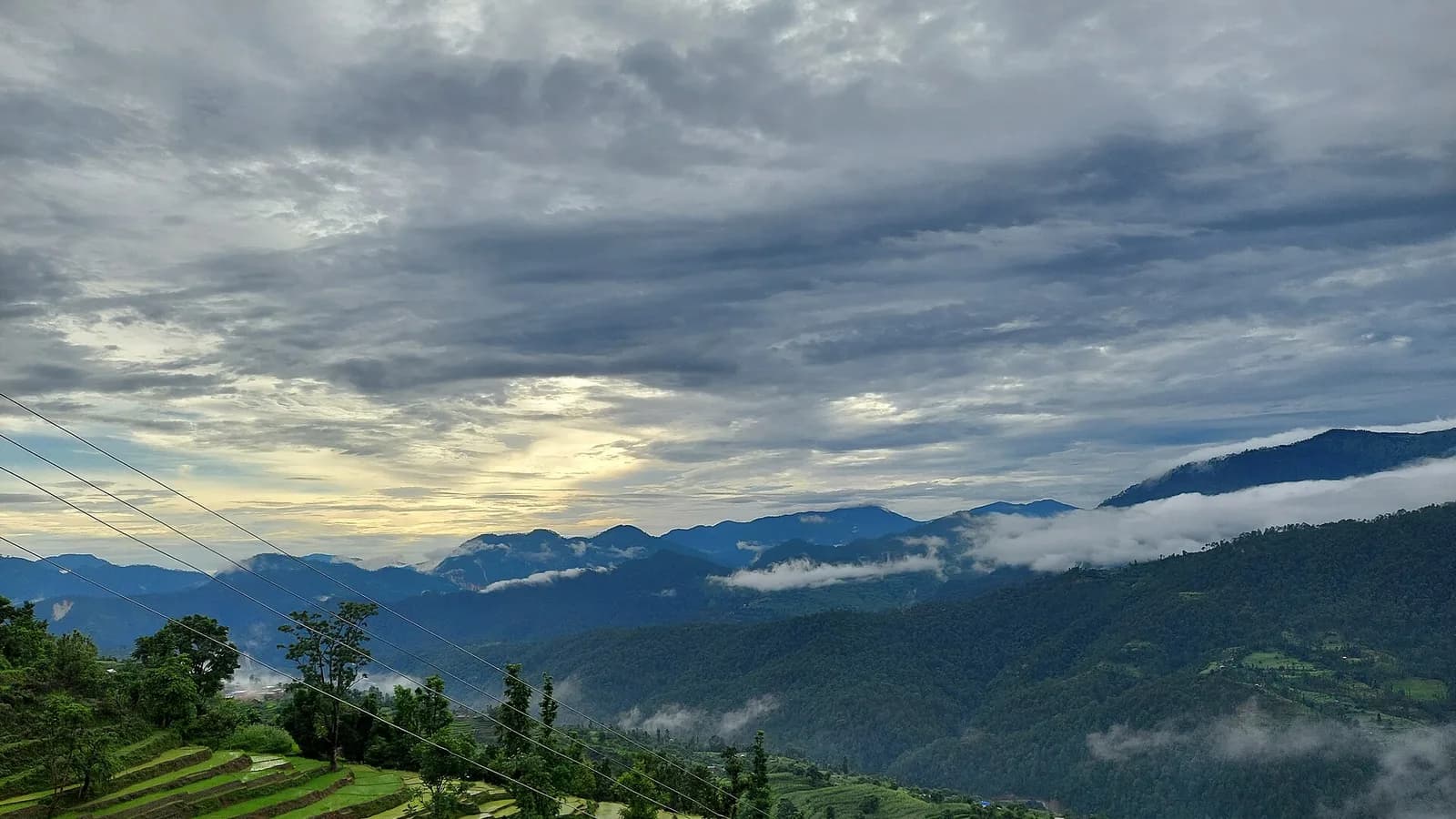
Volunteering in Nepal is one of the most common reasons travellers want to give something back to a country that gives visitors so much. The instinct is generous, and Nepal has real needs — in education, conservation, rural development and earthquake recovery. But "doing good" abroad is not automatic, and in Nepal it comes with a specific set of legal rules and a well-documented ethical minefield, above all around orphanage tourism. Done thoughtlessly, volunteering can cause harm; done well, it can be genuinely valuable.
This guide is written to help you volunteer in Nepal responsibly. It covers the visa situation, the orphanage-tourism problem that every serious charity now warns about, how to recognise an ethical project, what skills actually help, and how to decide whether hands-on volunteering is even the right choice for you. None of this is meant to discourage generosity — only to point it where it does good rather than damage.
Key takeaways
- It is illegal to volunteer in Nepal on an ordinary tourist visa — immigration treats volunteering as work, so go through a properly registered programme that handles your status.
- Avoid orphanages. UNICEF estimates around 85 percent of children in Nepali care homes have at least one living parent, and paying volunteers fuel the problem.
- Ethical projects support families and communities — teaching, conservation, agriculture, women's education and safe construction — rather than institutionalising children.
- Skills matter. Childcare and medical roles need qualified professionals; reputable programmes ask about your background and often require checks.
- Vet the organisation hard: transparency, minimum commitment, background checks and evidence of long-term impact are the marks of a good one.
- If you cannot commit meaningfully, donating to a vetted charity or simply travelling responsibly often helps more than a short hands-on placement.
The instinct is good — the execution is what matters
Most people who look into volunteering in Nepal are motivated by something genuine: they have seen the warmth of the country, noticed the gaps between rich and poor, and want to contribute more than a tourist's spending. That impulse is worth respecting. The problem is that good intentions do not guarantee good outcomes, and an entire industry — often called "voluntourism" — has grown up to monetise that impulse, sometimes at the expense of the very people it claims to help.
The single most important shift in mindset is to stop asking "how can I help?" and start asking "is an outsider, for this length of time, with these skills, the right person to do this job?" For a great deal of well-meaning volunteer work, the honest answer is no. For the rest, getting it right means understanding the rules and the risks first.
The legal reality: volunteering and your visa
Many travellers assume they can simply add a bit of volunteering to a tourist trip. In Nepal, that is not how the law works. The Department of Immigration treats volunteering as a form of work, which means it is not permitted on a standard tourist visa. In principle, volunteering on a tourist visa can expose you to penalties such as fines, deportation or a ban on returning.
A small number of long-established organisations — the kind with formal agreements with the government — are authorised to place volunteers properly. Ordinary guesthouses, trekking agencies, schools and orphanages generally are not. There is also a striking gap between the rules and reality on the ground: Nepal's Social Welfare Council has said that of the tens of thousands of foreigners who come each year, many for volunteer work, only a few hundred placements are formally registered. That gap is precisely why you should be careful: just because something is easy to arrange does not mean it is legal or legitimate.
The practical takeaway is simple. Choose an organisation that handles the visa question for you and can explain exactly how your status is covered, and ask the question directly before you commit. If a programme is evasive about it, that tells you something about how it runs everything else. For the wider entry rules, our guides to the Nepal tourist visa on arrival and extending your tourist visa explain the standard process — but note that neither of those covers you to work.
The orphanage problem: why "voluntourism" can harm children
If you take one thing from this article, make it this: reputable child-protection organisations now actively advise travellers not to volunteer in, or even visit, orphanages in Nepal. This is not a fringe view. It is the position of UNICEF and a broad coalition of care-reform groups, and it is backed by hard evidence.
The "orphans" often are not orphans
UNICEF estimates that around 85 percent of children living in Nepal's residential care homes have at least one living parent. In other words, the great majority are not orphans in any ordinary sense. National figures have counted hundreds of registered child-care homes housing many thousands of children, with that same overwhelming proportion having a living parent or guardian.
Worse, demand creates supply. Because paying foreign volunteers and donors are drawn to orphanages, there is a financial incentive to keep them full. There are documented cases of children being actively recruited away from families — sometimes poor, rural families persuaded their child will get an education — and placed in institutions to attract that money. Some of these centres have been linked to trafficking. The 2015 earthquakes sharpened the risk, as the disruption made children easier to move and harder to trace.
The harm to the children themselves
Even where no trafficking is involved, the model is damaging:
- Broken attachments. Young children bond quickly with the rotating volunteers who pass through, then experience their departure as repeated abandonment. Growing up cycling through these attachments is linked to lasting difficulties forming healthy relationships.
- No safeguarding. Many centres run no background checks on the foreigners they let work closely with children, which is an obvious child-protection failure and a known route to abuse.
- Institutionalisation itself. Decades of research show children generally fare worse in institutions than in family and community care, regardless of how kind individual staff are.
What to do instead
The constructive alternative is to support family- and community-based care, not institutions. If you are a genuinely qualified professional — a social worker, psychologist or similar — there are reputable programmes working on reintegrating children with extended family and strengthening communities so families stay together. If you are not, the most ethical contribution is usually to give money or support through a well-known charity rather than to seek hands-on contact with vulnerable children. Skipping the orphanage visit is not unkind; it is the kind thing to do.
What ethical volunteering in Nepal actually looks like
None of this means there is no useful volunteering in Nepal. There is — it just tends to be the kind that strengthens communities and leaves capacity behind, rather than the kind that puts a foreigner in direct charge of vulnerable people. Common, broadly well-regarded project areas include:
| Project area | What it usually involves | Why it can work | | --- | --- | --- | | Teaching & teacher training | Supporting English classes, training local teachers | Builds lasting local capacity if focused on staff, not replacing them | | Environmental & conservation | Tree planting, clean-ups, conservation support | Tangible, community-led, low safeguarding risk | | Sustainable agriculture | Helping with farming techniques and food projects | Directly supports rural livelihoods | | Women's education & skills | Literacy, vocational and empowerment programmes | Targets a recognised development priority | | Construction & rebuilding | Earthquake-resilient building work | Real need in a quake-prone country | | NGO & admin support | Skills-based help for local organisations | Uses professional skills where they are scarce |
The unifying principle is local leadership and sustainability: good projects are driven by what Nepali communities themselves identify as priorities, involve local people in decisions, and aim to make themselves unnecessary over time rather than to create dependence on a flow of outsiders.
English teaching, done right
Teaching English deserves a specific mention because it is so popular. It can be genuinely valuable — if the emphasis is on supporting and upskilling local teachers rather than parachuting in to "be" the teacher for a fortnight. Most legitimate placements ask for at least an intermediate, often advanced, level of English, and some require a background check and health declaration. A volunteer who helps a Nepali teacher build better lessons leaves something behind; a volunteer who simply entertains a class for two weeks does not. If you bring a few words of Nepali, you will also build trust faster and show respect for the setting you are working in.
How to choose a responsible organisation
Because the line between a good programme and an exploitative one is not always obvious, it pays to interrogate any organisation before you sign up. The encouraging news is that ethical and unethical operators tend to behave very differently, so a handful of questions usually reveals which you are dealing with.
Green flags
- Transparency about money — a clear explanation of what your fee covers and how much reaches the project.
- They ask about you — your skills, experience and motivation, because they are matching you to a real need.
- Safeguarding standards — background checks for relevant roles, and a minimum commitment rather than "turn up whenever."
- Evidence of impact — specific, measurable outcomes and a track record, not just emotive photos.
- Family- and community-focused — especially anything involving children.
Red flags
- Anyone can work with children, no checks, no minimum stay. This is the classic signature of a problematic or fake orphanage.
- Vague about finances or outcomes.
- Pressure and emotional marketing in place of substance.
- No mention of visas or legality.
A useful sanity check: be wary of placements that are suspiciously cheap as well as eye-wateringly expensive, and always ask what proportion of your payment actually reaches the work on the ground. To make sure a "bargain" programme is not simply cutting corners, the same instincts that protect you from common tourist scams in Nepal apply here too.
Is volunteering even the right choice for you?
This is the question most guides skip, and it is the most important one. Hands-on volunteering makes sense when three things line up: you have relevant skills, you can commit for long enough to be useful, and you have found a properly run, family- and community-focused project. When those align, you can do real good.
When they do not — a week of time, no specialist skills, a project you cannot fully vet — the honest truth is that you will often do more good by travelling responsibly than by volunteering. Spending your money in locally owned guesthouses, restaurants and with local guides, choosing a community homestay, and donating to a vetted organisation can channel more lasting benefit into Nepali communities than an unskilled short-term placement, and with none of the risk of harm. There is no shame in deciding that the most useful version of your trip is simply to be a thoughtful, generous visitor.
If you do go that route, much of the rest of our site is about doing it well: where your money has the most local impact when planning a Nepal budget, how to behave respectfully around temples and sacred sites, and how to make the most of a two-week Nepal itinerary that puts you in contact with real communities rather than packaged experiences.
A short responsible-volunteering checklist
Before you commit to any placement in Nepal, run through this:
- Visa: Has the organisation confirmed, in writing, how your legal status is covered? (It cannot be an ordinary tourist visa.)
- No orphanages: Are you avoiding any project that puts you in unsupervised contact with institutionalised children?
- Skills match: Are you actually qualified and useful for the role, especially anything involving children or health?
- Commitment: Is the stay long enough to be worth the disruption your arrival and departure cause?
- Safeguarding: Are background checks and minimum stays required? (They should be.)
- Money trail: Do you understand where your fee goes and how much reaches the project?
- Sustainability: Does the project build local capacity, or just create dependence on visitors?
- Honest alternative: Would a donation plus responsible travel actually help more?
Get those right and your generosity lands where you want it to. The goal is not to feel helpful — it is to be helpful, in a way the community would still thank you for long after you have flown home.
Sources
- Volunteering in Nepal? — UNICEF Nepal
- Volunteering in orphanages — UNICEF South Asia
- Orphanage Tourism, Voluntourism and Trafficking — Better Care Network
- Children suffer in Nepal's orphanages — The Annapurna Express
- The Problem: why are orphanage visits harmful? — Responsible Tourism Partnership
- Nepal Travel Advisory — US Department of State
- How to Volunteer in Nepal: A Step-by-Step Guide — Volunteer Forever
- Ethical Volunteering and How to Avoid the Voluntourism Trap — Hostelworld
Frequently asked questions
- Is it legal to volunteer in Nepal on a tourist visa?
- No. Nepal's Department of Immigration treats volunteering as work, so it requires a visa that permits it rather than an ordinary tourist visa. Volunteering on a tourist visa can in principle lead to fines, deportation or a re-entry ban. A handful of long-established organisations have government permission to place volunteers, so the practical answer is to go through a properly registered programme that sorts your status, and to ask any organisation directly how they handle the visa question.
- Why do charities warn against volunteering in orphanages in Nepal?
- Because the evidence is now overwhelming that it harms children. UNICEF estimates that around 85 percent of children in Nepali residential care homes have at least one living parent, and demand from paying volunteers has been shown to drive children out of families and into institutions. Short-term volunteers also form and then break attachments with vulnerable children, and many centres run no background checks. Reputable bodies, including UNICEF, now advise travellers not to visit or volunteer in orphanages at all.
- What kinds of volunteering in Nepal are considered ethical?
- Projects that support families and communities rather than separating children from them. Common examples include teaching or training local teachers, environmental and conservation work, sustainable-agriculture support, women's education and skills programmes, and earthquake-resilient construction. The common thread is that the work is led by local needs, leaves capacity behind, and does not depend on a steady stream of unskilled foreigners.
- Do I need special skills to volunteer in Nepal?
- For work involving children or healthcare, yes, you should be a qualified professional. For general community projects you usually do not need formal qualifications, but you should still bring something genuinely useful and be honest about your level. Many teaching placements ask for at least intermediate English, and some request a criminal background check and a health declaration. If a programme asks for none of these, treat that as a warning sign rather than a convenience.
- How can I tell if a volunteer organisation is legitimate?
- Look for transparency and standards. Trustworthy organisations explain clearly where your fee goes, ask about your skills, often require a minimum commitment and a background check, and can point to measurable, long-term outcomes. Be wary of any project that lets anyone work with children with no checks, has no minimum stay, or is vague about its impact and finances. When in doubt, donating to a well-known charity is often more useful than volunteering in person.
- How much does it cost to volunteer in Nepal?
- Most placement organisations charge a programme fee that typically covers accommodation, food, orientation and in-country support; the volunteer usually also pays their own flights and insurance. Fees vary widely by operator and length of stay, so compare what is actually included and confirm the current price directly with the organisation. Be cautious of both suspiciously cheap placements and very expensive ones, and always ask what share of the fee reaches the project itself.
- Is volunteering in Nepal worth it, or should I just travel?
- It can be genuinely worthwhile if you bring relevant skills, commit for long enough to be useful, and join a properly run, family-focused project. If you only have a week or two and no specialist skills, you will often do more good by travelling responsibly, spending money in local businesses, and donating to a vetted organisation than by taking on a hands-on role. Honest self-assessment is the most ethical first step.
- Can I teach English in Nepal as a volunteer?
- Yes, English teaching is one of the most common and useful volunteer roles, especially when it focuses on supporting and training local teachers rather than replacing them. Most placements ask for at least an intermediate, often advanced, level of English and may request a background check. The most sustainable contribution is building the capacity of Nepali teachers so the benefit continues long after you leave.
Related posts
Nepal Photography Tour: Routes, Light & Best Time
A photographer's guide to a Nepal photography tour — the best locations, golden-hour spots, when to go for clear Himalayan skies, gear and costs.
Read postNepal Time Zone: Why Nepal Is UTC+5:45 (the 45-Min Quirk)
Nepal's time zone is UTC+5:45 — one of only a few in the world with a 45-minute offset. Here is why Nepal runs 15 minutes ahead of India, explained.
Read postNepali Restaurants Near Me: How to Find the Real Thing
Searching for Nepali restaurants near me? A practical guide to spotting authentic Nepali food, what to order, dietary tips, and useful phrases.
Read post