Nims Purja: The Nepali Mountaineer Who Rewrote Records
Who is Nims Purja? A traveller's guide to Nepal's record-breaking mountaineer, his 14 Peaks feat, winter K2 and what he means for Himalayan climbing.
Project Possible turned an impossible 14-peak dream into a six-month world record.
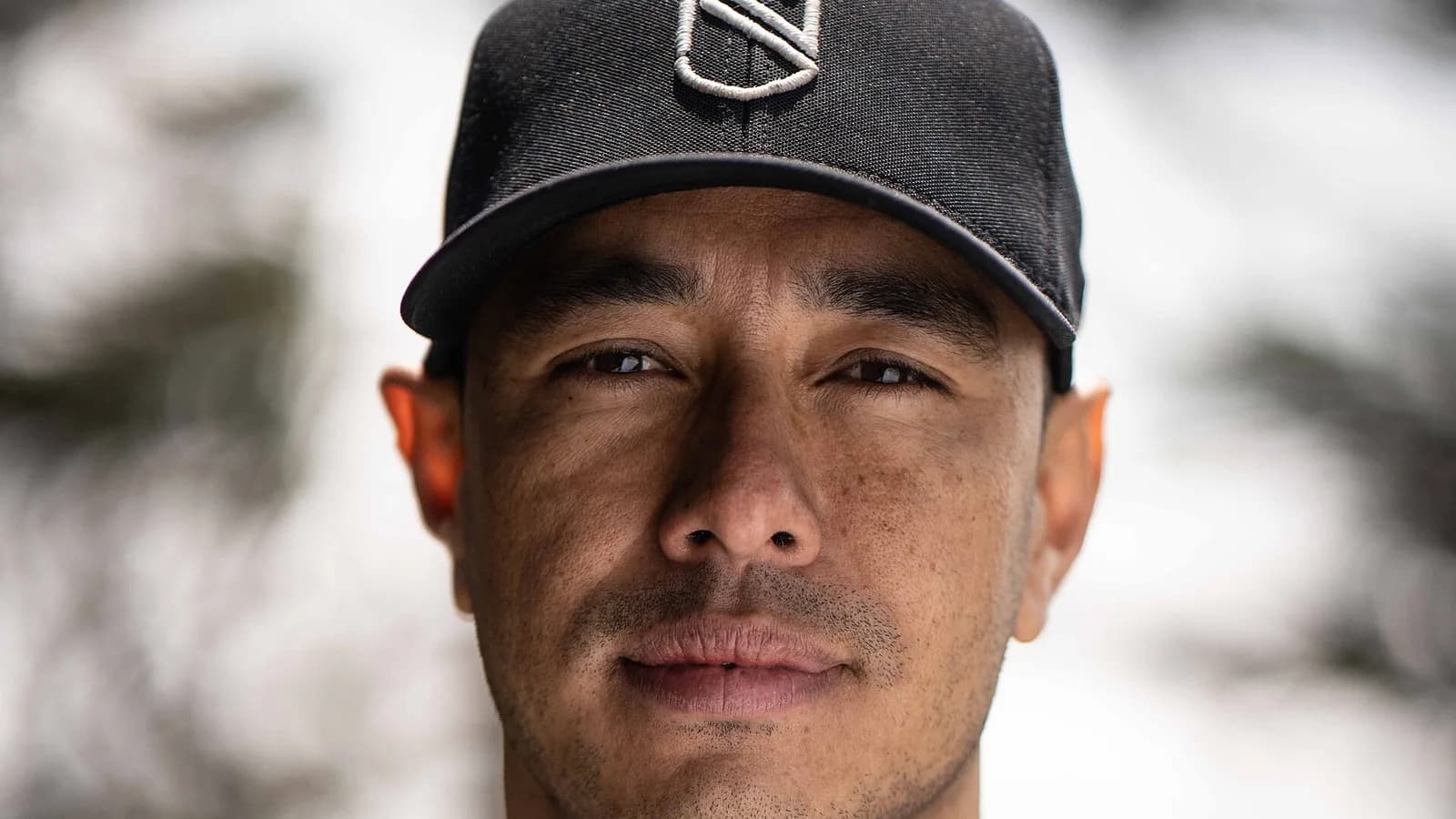
If you spend any time around Nepal's mountains, trekking lodges or climbing culture, one name comes up again and again: Nims Purja. Born in the foothills below Dhaulagiri and made famous on the world's highest summits, Nirmal "Nims" Purja has become a modern symbol of what Nepali mountaineers can achieve. For travellers heading to the Himalaya, knowing his story adds real depth to the views you will see from the trail.
This guide covers who he is, what he actually did, and why his records matter, using only well-documented, verifiable facts.
Key takeaways
- Nims Purja is a British-Nepali mountaineer, born July 1983 in the Myagdi District near Dhaulagiri.
- His 2019 Project Possible climbed all 14 eight-thousanders in six months and six days, beating a record that had stood at almost eight years.
- He was part of the all-Nepali team that made the first winter ascent of K2 on 16 January 2021.
- Before climbing, he served as a Gurkha and was the first Gurkha in the Royal Navy's Special Boat Service.
- In 2024 he completed the 14 peaks again without bottled oxygen, and in 2025 reached 50 successful 8,000-metre summits.
- His company Elite Exped and the Nimsdai Foundation now shape commercial Himalayan climbing and Nepali representation in the sport.
Who is Nims Purja?
Nirmal Purja, widely known by his nicknames Nims and Nimsdai ("dai" is a respectful Nepali word for older brother), was born in July 1983 in Dana, a village in Nepal's Myagdi District that sits near the giant peak of Dhaulagiri. When he was a young child his family moved down to the lowlands of the Chitwan District. He grew up far from the climbing world, and remarkably did not begin serious high-altitude mountaineering until he was in his mid-thirties.
He holds the honorary title MBE (Member of the Order of the British Empire), appointed in 2018 for services to high-altitude mountaineering. Today he is one of the most recognised figures in the sport, known as much for his relentless drive as for his records.
A name you will hear on the trail
Because so many of Nepal's elite mountain workers are Sherpa, travellers sometimes assume every famous Himalayan climber is Sherpa. Purja is from the Magar and Pun/Pun Magar community of the mid-hills, not the Sherpa ethnic group. If you want to understand the people who make Himalayan climbing possible, our guides to who the Sherpas are and the broader Sherpa people are useful companion reads.
From Gurkha soldier to special forces
Before the mountains, Purja's career was military. He joined the British Army's Brigade of Gurkhas in 2003, following a centuries-old tradition of Nepali soldiers serving in the British and Indian armies. In 2009 he became the first Gurkha to be accepted into the Special Boat Service (SBS), the elite special forces unit of the Royal Navy.
That background matters. The discipline, fitness and logistical planning he learned in the military underpinned his later climbing projects. If you are curious about the soldiering heritage he came from, see our pieces on the Gurkhas and the legendary Gorkha soldiers.
Project Possible: 14 peaks in seven months
Purja's breakthrough was Project Possible 14/7, his audacious plan to climb all 14 of the world's mountains above 8,000 metres (the "eight-thousanders") inside seven months. These are the highest and most dangerous peaks on Earth, scattered across Nepal, Pakistan and Tibet.
He summited the first peak on 23 April 2019 and the last on 29 October 2019, finishing the whole set in six months and six days. To put that in perspective, the previous record for one person to climb all 14 consecutively was held by Poland's Jerzy Kukuczka and later edged by South Korea's Kim Chang-ho, and stood at just under eight years.
The three phases
Purja split the campaign into three geographic phases. The table below summarises the timeline, using widely reported dates.
| Phase | Region | Peaks | | --- | --- | --- | | Phase 1 | Nepal | Annapurna, Dhaulagiri, Kangchenjunga, Everest, Lhotse, Makalu | | Phase 2 | Pakistan | Nanga Parbat, Gasherbrum I, Gasherbrum II, K2, Broad Peak | | Phase 3 | Tibet & Nepal | Cho Oyu, Manaslu, Shishapangma |
In a single week in May 2019 he climbed Everest, Lhotse and Makalu, three eight-thousanders, back to back. Guinness World Records recognised multiple records from the project. If the Everest leg interests you, our Mount Everest overview and highest mountain in Nepal explainer give helpful context on the scale of these climbs.
Why it was controversial-free but still debated
Purja used supplemental (bottled) oxygen during Project Possible, which is standard for commercial and speed climbing on the eight-thousanders. Some purists distinguish between oxygen-assisted and oxygen-free ascents, and Purja himself later returned to climb the 14 peaks again without oxygen. Both styles are recognised achievements in the climbing world; they simply measure different things.
The first winter ascent of K2
If Project Possible made him famous, the first winter ascent of K2 cemented his place in mountaineering history. K2, at 8,611 metres the world's second-highest mountain, had been climbed in every season except winter, and decades of attempts had failed.
On 16 January 2021, a team of ten Nepali climbers stood on the summit together, deliberately pausing just below the top so they could step onto it as one in a show of unity. Purja was part of that team, alongside climbers including Mingma David Sherpa, Mingma G and Sona Sherpa. Notably, Purja summited without bottled oxygen while the others used it, an extraordinary feat in the brutal cold of a K2 winter.
It was a landmark moment of Nepali pride, because the last great prize in high-altitude mountaineering was claimed by an all-Nepali team rather than by foreign expeditions.
Records since 2021
Purja did not slow down after K2. A few of his most significant, well-documented later achievements:
| Year | Achievement | | --- | --- | | 2024 | Completed all 14 eight-thousanders without supplemental oxygen, recognised as the fastest to do so | | 2024 | Set additional speed records spanning both oxygen and no-oxygen ascents | | 2025 | Reached 50 successful 8,000-metre summits, reported as a world first |
His 2025 milestone on Nanga Parbat made him, according to multiple reports, the first person to record 50 successful ascents of eight-thousander peaks, a large share of them without bottled oxygen. He has also spoken about a "Hat-Trick Challenge" to complete the 14 Peaks and Seven Summits a third time, with funds directed to his foundation.
Elite Exped, the Nimsdai Foundation and his impact
Beyond personal records, Purja founded the expedition company Elite Exped and the Nimsdai Foundation. Through these he guides clients on the world's highest peaks and channels attention and money toward Nepali climbers, mountain communities and conservation causes.
His rise has shifted the conversation about who gets credit in the Himalaya. For generations, foreign climbers were the headline names while Nepali Sherpas and porters did much of the hardest, most dangerous work. Purja, as a Nepali expedition leader breaking world records under his own banner, has helped change that narrative.
What it means for travellers
You almost certainly will not be summiting an eight-thousander. But understanding Purja's story enriches a Himalayan trip in concrete ways:
- The peaks you photograph from a trek, such as Everest, Lhotse and Manaslu, are the same ones in his record.
- The teahouse staff, guides and porters you meet belong to the same mountaineering culture he champions.
- It is a reminder to respect the mountains and the people who work on them, and to choose ethical, well-paid local crews.
Can tourists experience his world?
Yes, at a safe distance. You do not need technical climbing skills to walk into the heart of this landscape.
Trek to a base camp
The classic option is Everest Base Camp, a multi-day teahouse trek that brings you to the foot of the mountain without any roped climbing. See our Mount Everest guide and pieces on the Himalayas and the mountains of Nepal to plan a realistic, beginner-friendly Himalayan trip.
Understand the risks
The eight-thousanders are genuinely deadly. The thin air of the "death zone" above 8,000 metres, avalanches and extreme cold claim experienced climbers every year. Purja's speed is the product of elite military fitness, deep experience and a professional team, not something to imitate. For travellers, even base-camp treks demand respect for altitude, which is why we cover altitude sickness in detail.
A quick reference
| Fact | Detail | | --- | --- | | Full name | Nirmal "Nims" Purja, known as Nimsdai | | Born | July 1983, Myagdi District, Nepal | | Military | Brigade of Gurkhas (2003), Special Boat Service (2009) | | Honour | MBE, awarded 2018 | | Signature feat | 14 eight-thousanders in 6 months 6 days (2019) | | Other firsts | First winter ascent of K2 (Jan 2021) | | Documentary | 14 Peaks: Nothing Is Impossible (Netflix, 2021) |
Sources
- Nirmal Purja — Wikipedia
- Project Possible — Nimsdai official site
- Nimsdai Purja — official biography
- 14 Peaks: All the records Nims Purja broke — Guinness World Records
- 2024 year in review — Nimsdai
- Nimsdai 'Nims' Purja sets new world record: 50 x 8,000er summits — DC Nepal
- Nepali Mountaineers Achieve Historic Winter First on K2 — National Geographic
- Historic first winter ascent of K2 completed by all-Nepali team — Trek and Mountain
- 14 Peaks: Nothing Is Impossible — Wikipedia
- Nimsdai Purja — Elite Exped
Frequently asked questions
- Who is Nims Purja?
- Nirmal 'Nims' Purja, also known as Nimsdai, is a British-Nepali mountaineer and former UK special forces soldier famous for climbing the world's 14 highest peaks in just over six months in 2019.
- What is Project Possible?
- Project Possible was Purja's 2019 mission to summit all 14 eight-thousanders inside seven months; he finished in six months and six days, shattering the previous record of almost eight years.
- Did Nims Purja climb Everest?
- Yes. Mount Everest was one of the 14 peaks he climbed during Project Possible in 2019, summited in May along with Lhotse and Makalu in the same week.
- What was the winter K2 ascent?
- On 16 January 2021 Purja was part of an all-Nepali team that made the first-ever winter summit of K2; he was the only member to reach the top without bottled oxygen.
- Was Nims Purja a Gurkha?
- Yes. He served in the British Army's Brigade of Gurkhas from 2003 and later became the first Gurkha accepted into the Royal Navy's Special Boat Service in 2009.
- Can tourists climb the peaks Nims Purja climbed?
- Trekkers can hike to base camps such as Everest Base Camp without technical skills, but summiting any eight-thousander requires serious experience, permits and a professional expedition team.
- Is there a documentary about Nims Purja?
- Yes, the documentary 14 Peaks: Nothing Is Impossible was released on Netflix on 29 November 2021 and chronicles his Project Possible campaign.
Related posts
Who Has the Most Everest Summits? Record Holders
A guide to the most Everest summits ever recorded, from Kami Rita Sherpa's all-time record to the women's and non-Nepali milestones.
Read postKami Rita Sherpa: The Everest Man's Record Climbs
Who is Kami Rita Sherpa? Meet the Nepali guide with the most Mount Everest summits ever, his record, life in Thame and why it matters.
Read postPasang Lhamu Sherpa: First Nepali Woman on Everest
The story of Pasang Lhamu Sherpa, the first Nepali woman to summit Everest in 1993, her legacy, honours, and where to learn more in Nepal.
Read post