The Living Goddess Kumari of Kathmandu: A Respectful Guide
The living goddess Kumari is a young girl worshipped as a deity in Kathmandu. How she is chosen, her daily life, retirement, and modern reforms.
A child is worshipped as a goddess, lives in a carved palace, and steps down the day childhood ends. Few traditions are as singular — or as misunderstood.
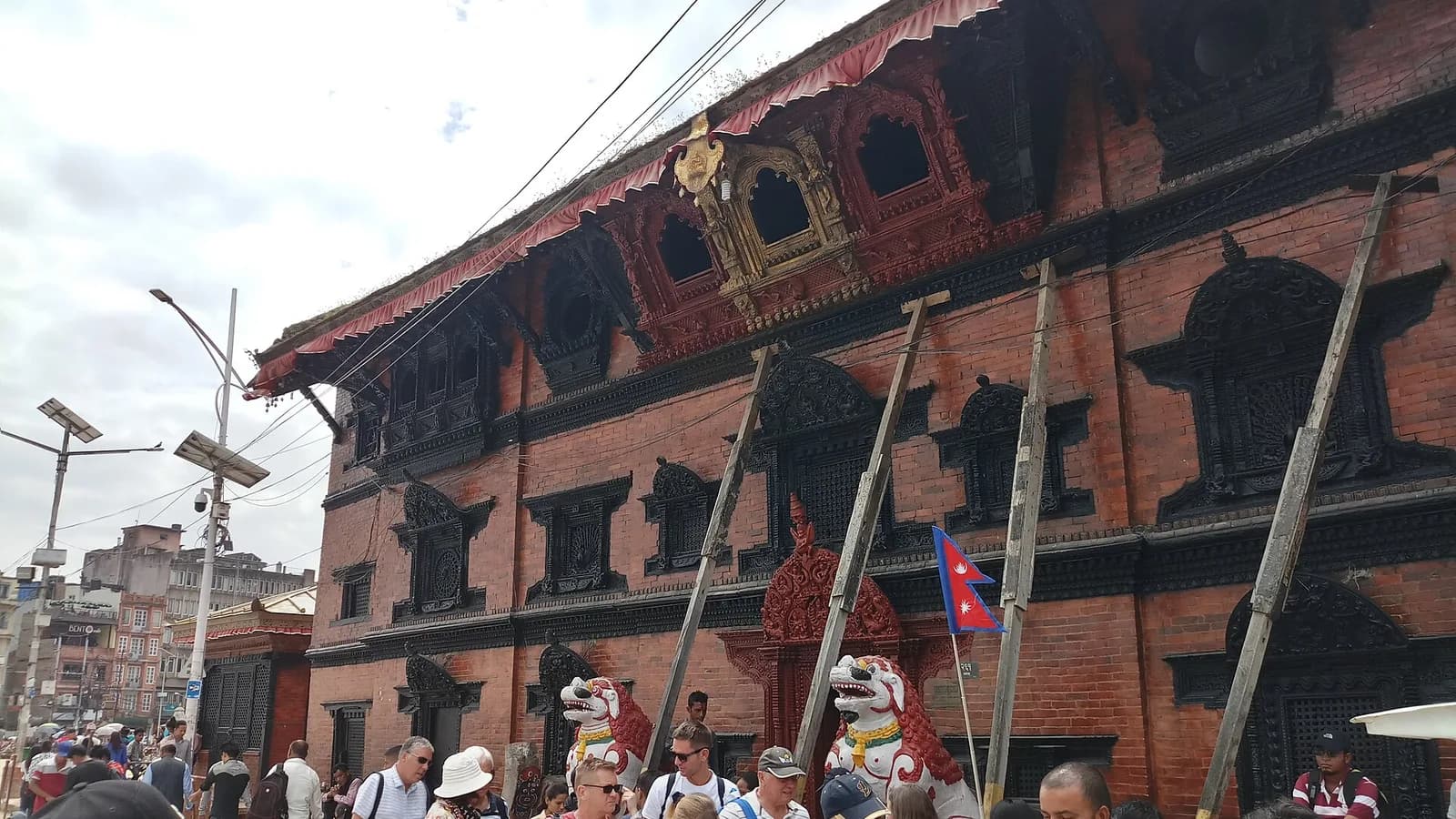
In the heart of old Kathmandu, in a carved wooden palace beside the city's former royal square, lives a young girl who is worshipped as a goddess. She is the Kumari — the living goddess of Nepal — and she is one of the most extraordinary, and most sensitive, living traditions on earth. To devotees she is the earthly vessel of a powerful deity; to the wider world she is a source of fascination and, increasingly, of careful debate. This guide explains who the Kumari is, how she is chosen, what her life involves, and how the tradition is changing — written with the respect a living faith deserves.
This is a sacred subject, not a curiosity. The Kumari is venerated daily by Nepali Hindus and Buddhists alike, and the goal here is to understand the tradition, not to sensationalise it.
Key takeaways
- The Kumari is a young girl worshipped as a living goddess, regarded as the embodiment of the goddess Taleju.
- She is chosen from the Newar Buddhist community (the Shakya or Bajracharya clans) against thirty-two traditional marks of perfection.
- The most prominent is the Royal Kumari of Kathmandu, who lives in the Kumari Ghar by Kathmandu Durbar Square.
- Her tenure ends at puberty, after which she returns to ordinary life and a new Kumari is sought.
- Modern reforms — including a 2008 Supreme Court ruling — now protect her rights to education and healthcare.
- There are several Kumaris across the Kathmandu Valley, notably in Patan and Bhaktapur.
Who the Kumari is
The word kumari means "young unmarried girl" or "virgin" in Sanskrit, and in this context it names a girl worshipped as the living manifestation of divine female energy. The Kumari is understood as the earthly embodiment of Taleju Bhawani, the fierce protective goddess (a form of Durga) who was the royal deity of Nepal's Malla kings. While the tradition is rooted in Hindu goddess worship, the girl herself is drawn from a Buddhist Newar community — a fusion of Hindu and Buddhist devotion that is characteristic of the Kathmandu Valley and found almost nowhere else.
During her tenure she is not treated as a child who plays a goddess; she is the goddess to her devotees. People seek her blessing, her glance, and her presence at festivals. The tradition is centuries old and remains woven into the religious life of the capital.
How a Kumari is chosen
The selection is rigorous and steeped in ritual. Candidates are little girls, typically toddlers to around five years old, from the Shakya or Bajracharya clans of the Newar Buddhist community.
The thirty-two perfections
A candidate must display the battis lakshanas — the thirty-two signs of physical perfection described in tradition. These cover an unblemished body and skin, black hair and eyes, a particular set of bodily proportions, and qualities likened in the texts to a lion's chest, an even set of teeth, and a soft, clear voice. Beyond the physical, she is expected to possess a calm, fearless, and serene temperament — a child who does not cry easily and remains composed.
The priestly confirmation
A candidate who passes is then examined and confirmed by religious authorities. The selection requires the assent of senior Buddhist priests, the chief priest of the Taleju temple, and the royal astrologer, whose reading of the girl's horoscope must align with the requirements. Once chosen and ritually installed, the goddess Taleju is believed to enter her, and she takes up residence as the living deity.
We have described the selection in the spirit of documenting tradition; the precise rituals are sacred and handled by those entrusted with them.
Daily life in the Kumari Ghar
The Royal Kumari lives in the Kumari Ghar, a beautiful three-storey courtyard building covered in some of the finest wood carving in Nepal, located just off Kathmandu Durbar Square in the old city. Her life there is governed by ritual.
- Her feet should not touch the ground outside her residence. When she travels for festivals she is carried, or moves on a special palanquin or chariot.
- She appears in public only on ritual occasions, and otherwise may show herself briefly at an upper window to visitors gathered in the courtyard below.
- She is dressed in red, with her hair bound up and distinctive painted eyes, the attire of the goddess.
- She is cared for by attendants and her family, who move with her into the household that supports the role.
For most of the year, the public glimpse of the Kumari is exactly that — a glimpse, a few seconds at a latticed window. It is considered a blessing to receive her gaze.
Seeing the Kumari as a visitor
Travellers can enter the courtyard of the Kumari Ghar, which is free, and admire the extraordinary carved windows and struts even when the goddess is not present. If she is in residence and willing, she may appear at an upper window for a few moments.
A few essential points of respect:
- Photography of the Kumari herself is strictly forbidden. You may photograph the building and its carvings, but never the goddess. The conservative belief is that her image carries religious power that should not be casually captured. Treat any appearance as a sacred moment, not a photo opportunity.
- A small donation is customary if she appears, left in the courtyard.
- Keep voices low and behave as you would in any active shrine. Our Kathmandu Durbar Square guide and temple etiquette guide cover the wider conduct expected across the square.
The Kumari Ghar sits within the Durbar Square UNESCO monument zone, so a visit naturally folds into a wider exploration of the old royal city — see also our overview of Nepal's temples for context on the valley's sacred sites.
The end of a Kumari's tenure
A Kumari does not serve for life. Her tenure ends at puberty — most commonly with her first menstruation, or with any significant loss of blood, such as a serious injury. At that point the goddess Taleju is believed to depart her body, and the search for a successor begins. A girl who becomes Kumari as a toddler may therefore serve for several years, often into her early teens.
When her time ends, the former Kumari returns to ordinary life as a normal young woman. This transition has, historically, been one of the hardest parts of the tradition, and it is the focus of the reforms described below.
A living tradition, respectfully evolving
The Kumari tradition has not stood still. In recent decades it has been the subject of thoughtful reform from within Nepali society and its courts, aimed at protecting the wellbeing of the girls who serve.
Education
For much of history a Kumari received no formal schooling, on the reasoning that a goddess is already all-knowing. That has changed. Modern Kumaris now receive an education — through private tutors brought into the residence and, in some cases, limited classroom attendance. Reports describe the Kathmandu Kumari studying subjects such as Nepali, English, and mathematics. The aim is that a former Kumari should re-enter ordinary life prepared rather than disadvantaged.
The 2008 Supreme Court ruling
In 2008, Nepal's Supreme Court ruled that the tradition could continue but ordered safeguards to guarantee Kumaris' rights to education, healthcare, and personal freedom. Subsequent measures have included provisions such as a government pension for retired Kumaris, intended to support their reintegration into society.
Ongoing debate
The tradition still prompts genuine discussion. Commentators and some former Kumaris have raised the challenges of reintegration after years of seclusion, and reform-minded voices have proposed ideas such as a shorter, fixed tenure that ends before puberty, and an end to any stigma around menstruation. These conversations are happening within Nepali society — among scholars, devotees, and former Kumaris themselves — and reflect a culture working to honour an ancient tradition while caring for the children at its centre. It is a debate best approached by visitors with humility rather than judgement.
More than one goddess
While the Royal Kumari of Kathmandu is the most famous, she is not the only one. The Kathmandu Valley venerates several Kumaris, each with her own local tradition. The most prominent beyond Kathmandu are the Kumaris of Patan (Lalitpur) and Bhaktapur, the two other old royal cities of the valley, with further Kumaris honoured in towns such as Bungamati and elsewhere.
This means a journey through the three Durbar Squares is also, in a sense, a journey between living goddesses. To plan that, see our guides to Patan and Lalitpur and a Bhaktapur day trip.
When the goddess comes out
For most of the year the Kumari remains within her residence, but a handful of times a year she appears in public during festivals — and the greatest of these is Indra Jatra, when she is pulled through the old city on a towering wooden chariot. That procession, the Kumari Jatra, is one of Kathmandu's most spectacular sights. We cover it in our Indra Jatra festival guide, with a focused companion piece on the Kumari chariot festival.
The living goddess is a tradition that rewards understanding over spectacle. Approach the Kumari Ghar quietly, appreciate the carvings, and if the goddess appears, receive the moment with respect. You are standing in front of one of the last living goddesses in the world, at the heart of a city that has honoured her for centuries.
Sources
- Kumari (goddess) — Wikipedia
- The Two Additional Reforms Nepal's Living Goddess Tradition Needs — University of Groningen, Centre for Religion, Conflict and Globalization
- Kumari of Nepal: photographs & facts about the living goddess — The Longest Way Home
- Kumari: Nepal's Living Goddesses — Facts and Details
- Toddler Aryatara Shakya is anointed as Kumari — Nepal News
Frequently asked questions
- Who is the Kumari, the living goddess of Nepal?
- The Kumari is a young girl from the Newar Buddhist community who is worshipped by both Hindus and Buddhists as the living embodiment of the goddess Taleju during her tenure.
- How is the Kumari chosen?
- Candidates from the Shakya or Bajracharya clans are examined by priests against thirty-two traditional signs of perfection, with the final selection confirmed by senior priests and the royal astrologer.
- Where does the Kumari live?
- The Royal Kumari of Kathmandu lives in the Kumari Ghar, an ornately carved courtyard house just off Kathmandu Durbar Square in the old city.
- When does a Kumari stop being the goddess?
- Her tenure ends at puberty, typically with her first menstruation or any significant loss of blood, at which point the goddess is believed to leave her and a successor is sought.
- Can visitors see the Kumari?
- Sometimes; she may appear briefly at an upper window of the Kumari Ghar when present and willing, but appearances are unscheduled and photographing her is strictly forbidden.
- Does the Kumari go to school?
- Modern Kumaris now receive education through private tutoring or limited schooling, following reforms after a 2008 Supreme Court ruling that protected their rights to education and healthcare.
- Is there more than one Kumari in Nepal?
- Yes; the Royal Kumari of Kathmandu is the most famous, but separate Kumaris are venerated in Patan, Bhaktapur, and several other towns of the Kathmandu Valley.
Related posts
Kathmandu Durbar Square: A Visitor's Guide (2026)
The old royal palace square at the heart of Kathmandu — what to see, the entry fee, the living goddess, and how the 2015 earthquake reshaped it.
Read postBuddhism in Nepal — A Traveler's Guide to Its Roots
Buddhism in Nepal began at Lumbini and split into three living traditions. Where to see it, what it means, and how to visit with respect.
Read postUNESCO World Heritage Sites in Nepal: Full Guide
Nepal has four UNESCO World Heritage sites: the Kathmandu Valley, Lumbini, Sagarmatha and Chitwan. Here is what each one is and how to visit.
Read post