Indra Jatra Kathmandu — The Kumari Chariot Festival, Dates, How to Watch
Eight days of masked dances, chariot processions, and the rare public appearance of the living goddess Kumari, right in central Kathmandu.
The Kumari leaves her house three times a year. This is one of them.
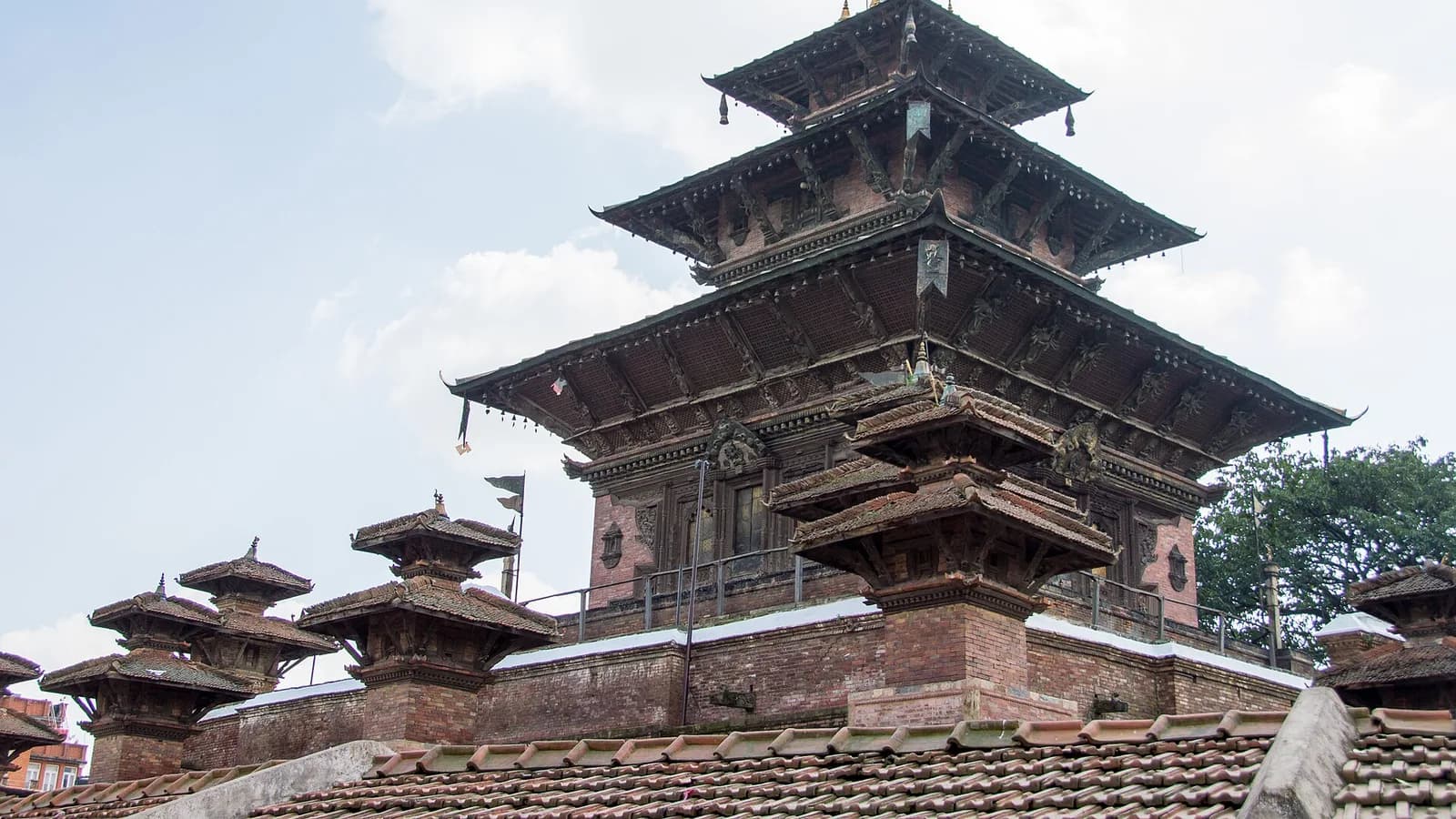
Indra Jatra is Kathmandu's central festival — eight days of religious processions, masked dances, and chariot pulling that happens almost entirely within walking distance of Thamel. For travelers who happen to be in Kathmandu during September, it's the most accessible major festival in the city.
The cultural depth is real. The visual impact is significant. And the rare public appearance of the Kumari, Kathmandu's living goddess, is the centerpiece.
When Indra Jatra happens
The festival follows the lunar calendar and falls in late August or September:
- 2024: September 17-25
- 2025: September 6-14
- 2026: September 25-October 3 (projected)
The 8-day window includes specific named days with distinct events. The most spectacular days are typically days 1, 3, and 5.
What it celebrates
Indra Jatra honors Indra, the king of gods in Hindu tradition and the god of rain. The festival blends Hindu and Buddhist traditions in a way unique to Kathmandu — the Newar community (the indigenous Kathmandu Valley people) celebrates Indra Jatra as a major cultural moment regardless of religious background.
The legend: Indra came down to Kathmandu to steal a flower for his mother. He was caught and tied up. When the people of Kathmandu realized they had captured a god, they released him and held a festival in apology. That festival is Indra Jatra.
The Kumari appearance
The Kumari is a pre-pubescent girl believed to be the living incarnation of the goddess Taleju. She lives in the Kumari Ghar (Kumari House) just off Kathmandu Durbar Square. Most days, the public only sees her briefly at her window.
During Indra Jatra, the Kumari is wheeled through Kathmandu on a wooden chariot on multiple days of the festival. This is one of only three times per year she leaves the Kumari Ghar publicly.
The chariot procession winds through the old city. Crowds line the streets. The chariot is followed by similar chariots carrying Ganesh and Bhairav — two attending deities. The Kumari herself sits motionless on her chariot throne for hours, dressed in red, with elaborate eye makeup that turns her face into a mask.
The chariot pulling is done by men of specific Newari castes, with traditional ropes and chants. The crowd moves with the chariot through the narrow lanes of the old city.
The masked dances
Throughout the 8 days, masked dancers perform across Kathmandu — most prominently in Durbar Square but also in smaller squares and courtyards.
The most famous: Lakhe — a red-faced, lion-like demon mask. Lakhe dancers move through crowds, sometimes chasing children playfully, sometimes performing structured dances in the squares. Other masked figures (Pulu Kisi the elephant, the Sava Bhakku jester) appear throughout the week.
The dances happen continuously through the festival. You don't need a ticket or special access — they happen in public squares, and you can stand and watch.
Best places to watch
- Kathmandu Durbar Square — the central hub. Most major events (chariot start/end, ritual offerings, the unveiling of the Bhairav mask) happen here.
- Indra Chowk — a major intersection in the old city. The chariot procession passes through. The display of Akash Bhairav's gold face occurs here on a specific day.
- Asan — the merchant square. Chariots pass; crowds are dense.
- Hanuman Dhoka — historic palace at the edge of Durbar Square. Some royal rituals (held over from the monarchy era) happen here.
Get there early on the procession days — the streets fill up by mid-morning, and after the chariots start moving you can't easily reposition.
What to expect from the crowds
Indra Jatra is genuinely crowded in central Kathmandu. The narrow alleys of the old city pack with people. The chariot moves slowly because of the crowd density.
Pickpocketing risk is higher than normal — keep valuables in front pockets. Don't bring a backpack if you can avoid it. Phones in zipped pockets.
The crowd is overwhelmingly Nepali (not tourist-heavy). The atmosphere is festive but contained — this is a religious event being observed by the community, not a spectacle being performed for outsiders.
The Samay Baji feast
Many Newar families serve Samay Baji, a traditional Newari ceremonial meal, during Indra Jatra. If you're invited to a Newar home for Samay Baji, accept — it's one of the most distinctive cultural food experiences in Nepal.
The plate includes flattened beaten rice (chiura), buffalo meat dishes, smoked fish, soybeans, eggs, black-eyed peas, ginger, garlic, and several pickled and curried items. It's eaten by hand from a brass plate. The portion is large.
See our Newari food guide for context.
Practical access
Indra Jatra requires no tickets. You walk into Durbar Square and Kathmandu Durbar Square is the center of the festival. Note: the Durbar Square entry fee (NPR 1,000 for foreigners) still applies during the festival. The fee is collected at the square's main entrances.
Photography is generally allowed in public spaces. Don't photograph the Kumari's face directly — the conservative interpretation is that her image carries religious power that shouldn't be casually captured. Wide shots of the chariot with her on it are fine.
How to find out what's happening each day
The Nepal Tourism Board publishes a daily Indra Jatra schedule each year, usually available in printed handouts at their Kathmandu office (Bhrikuti Mandap) and online. Hotels in Thamel sometimes have copies. The schedule lists:
- Major events by day and time
- Locations of chariot processions
- Special masked dance performances
- Royal ritual events (held in Hanuman Dhoka)
A few Nepali phrases for the festival
- "Namaste" — greeting
- "Subha Indra Jatra" — Happy Indra Jatra
- "Kumari ko ratha kahan cha?" — "Where is the Kumari's chariot?"
- "Photo khichna hunchha?" — "Can I take a photo?" — useful when in doubt
The scenarios phrasebook covers the basics for crowd navigation and ordering food during festival days.
Pre-trip checklist
- Confirm 2026 dates (lunar calendar shifts)
- Stay in Thamel or the old city for walking distance
- Carry minimal valuables on procession days
- Pre-buy the Durbar Square entry pass to skip a queue
- The Newari food guide for the ceremonial meal context
- The scam-defence phrases — crowd density attracts opportunistic pickpockets
Indra Jatra is Kathmandu's most accessible major festival. If your trip falls in September, build a day or two around it.
Related posts
The Kumari Chariot Festival (Kumari Jatra), Kathmandu
The Kumari chariot festival is the rare public procession of Kathmandu's living goddess during Indra Jatra. The three chariots, three days, and history.
Read postIndra Jatra: The Gods, Days and Rituals Decoded
A field decoder for Indra Jatra — what the Yosin pole, Sweta Bhairav, Pulukisi, Lakhe and the named festival days actually mean in Kathmandu.
Read postThe Dog Festival of Nepal: A Short Visitor's Guide
The dog festival of Nepal, Kukur Tihar, is the viral day when every dog gets a garland and a tika. A quick guide to what it is and where to see it.
Read post