How to Haggle in Nepal: A Polite Bargaining Guide
How to haggle in Nepal without stress — where bargaining is expected, where prices are fixed, fair counter-offers, and the calm phrases that work.
Haggling here is a friendly conversation, not a fight — smile, name a fair number, and be ready to walk.
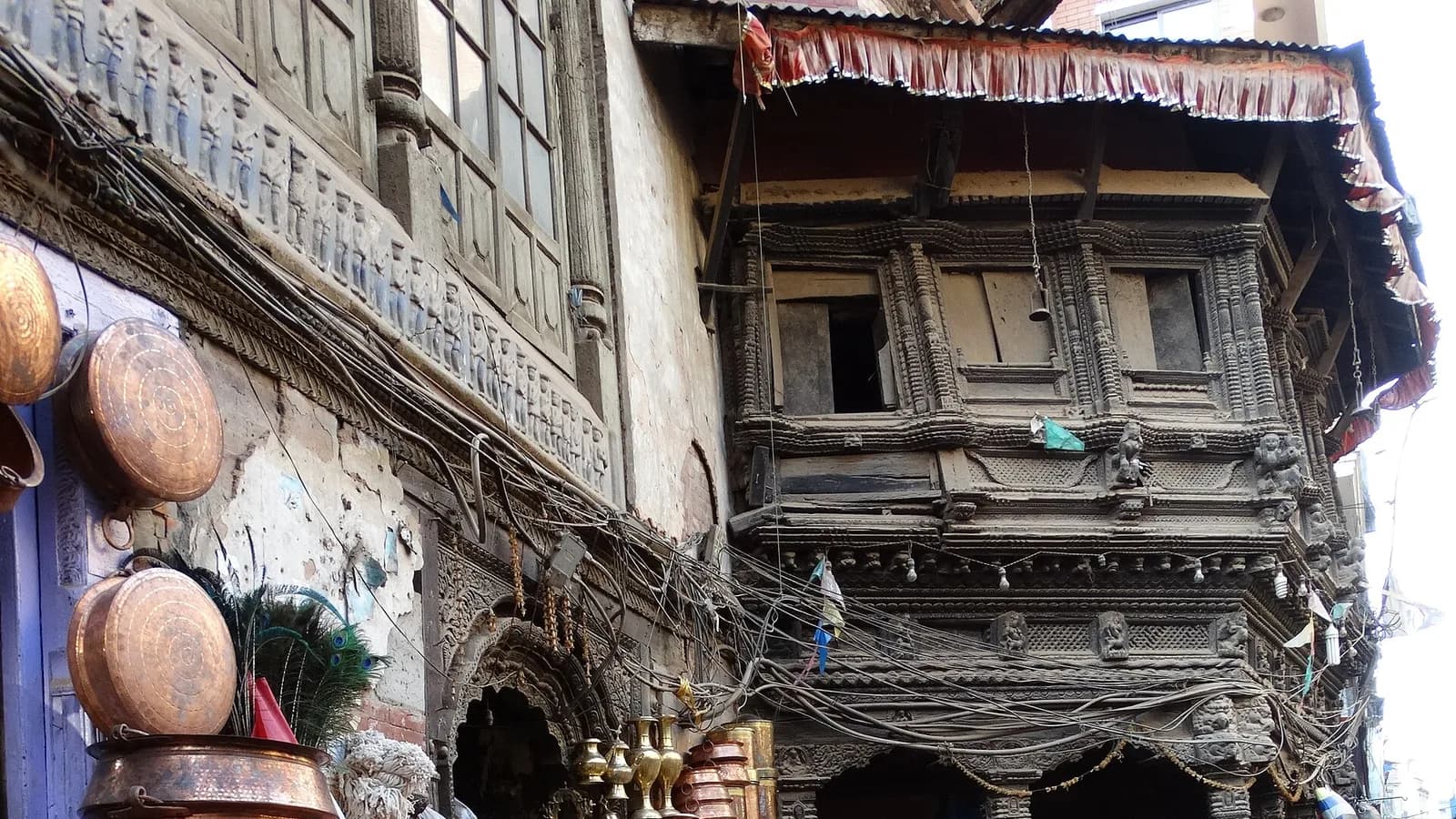
Learning how to haggle in Nepal is one of the small skills that makes a trip smoother, friendlier, and a little cheaper. In Kathmandu's Thamel lanes, Pokhara's Lakeside stalls, and the old bazaars of Asan, prices are often a starting point rather than a fixed figure — and a relaxed, respectful negotiation is simply how business is done. The goal is not to "win." It is to land on a price that feels fair to both you and the person whose livelihood depends on the sale.
This guide covers where bargaining applies (and where it does not), how to make a sensible first offer, a few Nepali phrases that help, and the etiquette that keeps the whole thing pleasant.
Key takeaways
- Bargaining is expected in souvenir shops, market stalls, and for un-metered taxis — but not in supermarkets, pharmacies, or any shop with printed price tags.
- Tourist-market opening quotes are often inflated, frequently two to three times the local rate, so your first counter can reasonably be around half.
- On handicrafts, ending up roughly 20–30% below the opening price is a common, realistic outcome.
- Stay calm and smile: aggressive haggling tends to backfire, while politeness genuinely moves the price.
- Walking away is a normal, accepted tactic — not an insult.
- Carry cash in Nepalese rupees in small denominations; negotiated prices almost always mean cash.
Where haggling is expected — and where it is not
The single most useful thing to learn is when to bargain. Get this wrong and you either overpay at a stall or annoy a shopkeeper who runs fixed prices.
Bargain here
- Souvenir and handicraft shops in Thamel, Lakeside, and around the Durbar Squares — singing bowls, pashmina, khukuri knives, prayer flags, thangka, jewellery.
- Open-air market stalls in places like Asan and Indra Chowk, where price tags are rare.
- Un-metered taxis and rickshaws — you must agree a fare before you get in.
- Some trekking gear shops in tourist areas, where margins and quotes leave room to move.
Treat as fixed price
- Supermarkets, department stores, and chain pharmacies.
- Restaurants and cafés — you pay the menu price (tipping is separate; see our tipping in Nepal guide).
- Any shop displaying clear printed price tags, including many established fair-trade and craft cooperatives.
- Official permit and entry fees, transport ticket counters, and government services.
If you are unsure, a soft opener like "Is this the best price?" tells you quickly whether there is room to negotiate. A firm "fixed price" answer is your cue to stop.
Why tourists pay more in the first place
Across many markets, a foreigner is quoted a higher opening number than a local would hear. Reporting and traveller accounts commonly describe tourist-facing quotes set at roughly two to three times the everyday local price, and surcharges of a meaningful margin are widely noted for visitors unfamiliar with standard rates.
This is not unique to Nepal, and it is not personal. Vendors expect a back-and-forth, so they leave headroom for it. Your job is to recognise the headroom and close some of the gap — calmly, and without treating the seller as an adversary.
How to make a fair first offer
There is no exact formula, but a widely shared rule of thumb works well in tourist markets:
| Step | What to do | |---|---| | 1. Ask the price | "Kati ho?" (How much?) or simply "How much?" | | 2. Pause | Look at the item, show mild interest, not excitement. | | 3. Counter | Offer around half the opening quote as a starting point. | | 4. Negotiate | Move up in small steps; let the vendor come down in steps. | | 5. Settle | Aim to meet somewhere in the middle — often ~20–30% below the opening price. |
A few practical notes:
- Anchor low, but not absurdly low. An opening counter well under half invites the dance; an insultingly tiny offer can end it.
- Bundle for leverage. Buying two or three items from one stall is a natural reason to ask for a better per-item price.
- Round numbers help. Naming a clean figure ("I'll do 800") is easier for everyone than haggling over the last few rupees.
- Know roughly what things cost. Browsing two or three shops before committing turns guesswork into a real sense of the going rate. Our smart shopper's guide to buying in Nepal is a useful primer.
A few Nepali phrases that help
You do not need Nepali to bargain — most vendors speak enough shopping English. But a handful of words builds rapport, and rapport softens prices. For the full toolkit, see our numbers and bargaining lesson and the site's phrasebook.
| Nepali (romanised) | Meaning | |---|---| | Namaste | Hello / greeting | | Yo kati ho? | How much is this? | | Mahango bhayo | That's expensive | | Ali sasto dinus na | Please give it a little cheaper | | Thorai ghataidinus | Please reduce it a bit | | Chhut paauchha? | Is there a discount? | | Pugyo / hunchha | That's enough / okay (to close) |
Pronouncing even one counter-offer in Nepali signals you have some local context, and the tone of the negotiation often shifts in your favour. If you want to go further, the site's how to learn Nepali roadmap is a good starting point.
The etiquette: how to haggle without being rude
Nepali shopping culture prizes politeness, and the social side of a transaction matters as much as the money. A calm, smiling negotiator does better than a pushy one.
Do
- Smile and stay friendly. A light, good-humoured back-and-forth is the norm.
- Only haggle if you intend to buy. Negotiating hard and then walking with no real interest is poor form.
- Be willing to walk away — politely. If your number isn't accepted, thank the vendor and move on. Being called back means your price worked.
- Consider shopping early. Some sellers regard the first sale of the day as auspicious, which can occasionally work in your favour.
Don't
- Don't fight over a trivial amount. Squeezing the last few rupees from someone's livelihood reads as mean, not savvy.
- Don't get aggressive or sarcastic. It sours the mood and tends to raise the price, not lower it.
- Don't show obvious excitement. Visible eagerness pushes the number up.
- Don't assume cheaper is the only goal. Fair-trade and artisan shops price to pay makers properly — there, the value is the point.
Haggling for taxis and rides
Transport is its own category. In Kathmandu, taxis technically have meters, but in practice they are rarely switched on — so you generally have to agree a fare before getting in. Short city hops typically run in the low hundreds of Nepalese rupees, with longer crossings more; ask a couple of drivers and you'll quickly sense the fair range. For specifics, see our Kathmandu taxi fare guide.
The lower-stress alternative is a ride app:
- Pathao shows the fare up front and skips the on-the-spot "foreigner premium" you might get hailing from the street. See our Pathao in Nepal guide.
- InDrive lets you propose a fare and have drivers accept or counter — bargaining built into the app. See our InDrive in Nepal guide.
For airport pickups and street taxis, agreeing the number before you move is the whole game. For everyday city travel, an app often saves both haggling and money.
Money and payment: keep it simple
Negotiated prices almost always mean cash in Nepalese rupees. Many small vendors and most taxis don't take cards, and offering foreign currency mid-bargain rarely helps your position.
- Carry small notes. Stalls often can't break large bills, and exact-ish change speeds the close.
- Settle the currency first. Agree the price in rupees so there's no confusion at payment.
- Plan your cash. ATMs and exchange points are easy to find in cities; for the wider picture see is Nepal cash-only? and our Nepalese rupee guide.
A quick scam-awareness note: most market bargaining is honest, but tourist hubs do attract a few sharp practices, from inflated "special" deals to dubious money-changing. Our Nepal travel scams guide covers how to stay alert without getting paranoid.
A simple bargaining script
Putting it together, a typical friendly exchange looks like this:
- Greet: "Namaste." A smile.
- Ask: "Yo kati ho?" The vendor names a price.
- React mildly: "Mahango bhayo." Name your counter — around half.
- Trade steps: They come down a little; you come up a little.
- Nudge: "Chhut paauchha?" or offer a clean round number.
- Decide: If it's fair, "hunchha" and pay in cash. If not, "Dhanyabaad" (thank you) and walk — politely.
Do that with good humour and a sense of fairness, and haggling in Nepal stops feeling like a test and starts feeling like part of the trip.
Sources
- The Longest Way Home — How to Bargain and Barter in Kathmandu, Nepal
- Great Himalaya Trail — How to Bargain and Tip
- Talkpal — How do you ask for the price and bargain in Nepali markets?
- HOP Nepal — A Guide to Local Handicrafts and Souvenirs
- GadgetByte Nepal — Top Ride Sharing Apps in Nepal (InDrive, Pathao)
- Welcome Pickups — Kathmandu Taxi: Prices and Useful Tips
Frequently asked questions
- Is haggling expected everywhere in Nepal?
- No. Bargaining is normal in souvenir shops, market stalls, and for un-metered taxis, but supermarkets, pharmacies, restaurants, and shops with printed price tags are fixed-price.
- How much should I offer as a first counter?
- In tourist markets, vendors often quote two to three times the local rate, so a common opening counter is roughly half the first asking price, then settle somewhere in between.
- What discount is realistic on souvenirs?
- Many travellers report ending up around 20 to 30 percent below the opening price on handicrafts, though it varies by item, season, and how the conversation goes.
- Is it rude to bargain in Nepal?
- Not at all, as long as you stay polite and smile, but haggling hard over a tiny amount, or starting when you have no intention to buy, is considered poor form.
- Do I need to speak Nepali to haggle?
- No, most market vendors speak shopping English, but a few Nepali words like namaste and kati ho (how much) build rapport and often soften the price.
- Should I haggle with taxis or just use an app?
- Street taxis rarely run the meter, so you must agree a price first, while ride apps like Pathao and InDrive show or let you set the fare and usually avoid the foreigner mark-up.
- Is it okay to walk away during bargaining?
- Yes, walking away politely is a normal and accepted part of the process, and a vendor who calls you back has signalled your price is workable.
- Can I pay foreign currency or card when haggling?
- Assume cash in Nepalese rupees and carry small notes, because many small vendors do not take cards and a negotiated price almost always means cash.
Related posts
Asan Bazaar Kathmandu: Old Town Market Guide
A visitor guide to Asan bazaar, Kathmandu's oldest market — its six-road square, Annapurna Temple, what to buy, when to go, and how to get there.
Read postATMs in Nepal: What Changed in 2026 (Fees & Limits)
A 2026 update on ATMs in Nepal — new withdrawal limits, the fee-saving trick most travellers miss, and where machines actually work.
Read postBargaining in Nepal: A Tourist's Practical Guide
How bargaining in Nepal really works — where to haggle, where prices are fixed, fair-price expectations, and how to negotiate without overpaying.
Read post