Cricket Association of Nepal (CAN): Role and History
A fact-checked guide to the Cricket Association of Nepal (CAN): its history since 1946, role, ICC membership, 2016 suspension and 2019 reinstatement.
Behind every national team stands a governing body, and Nepal's is based in the Kathmandu Valley.
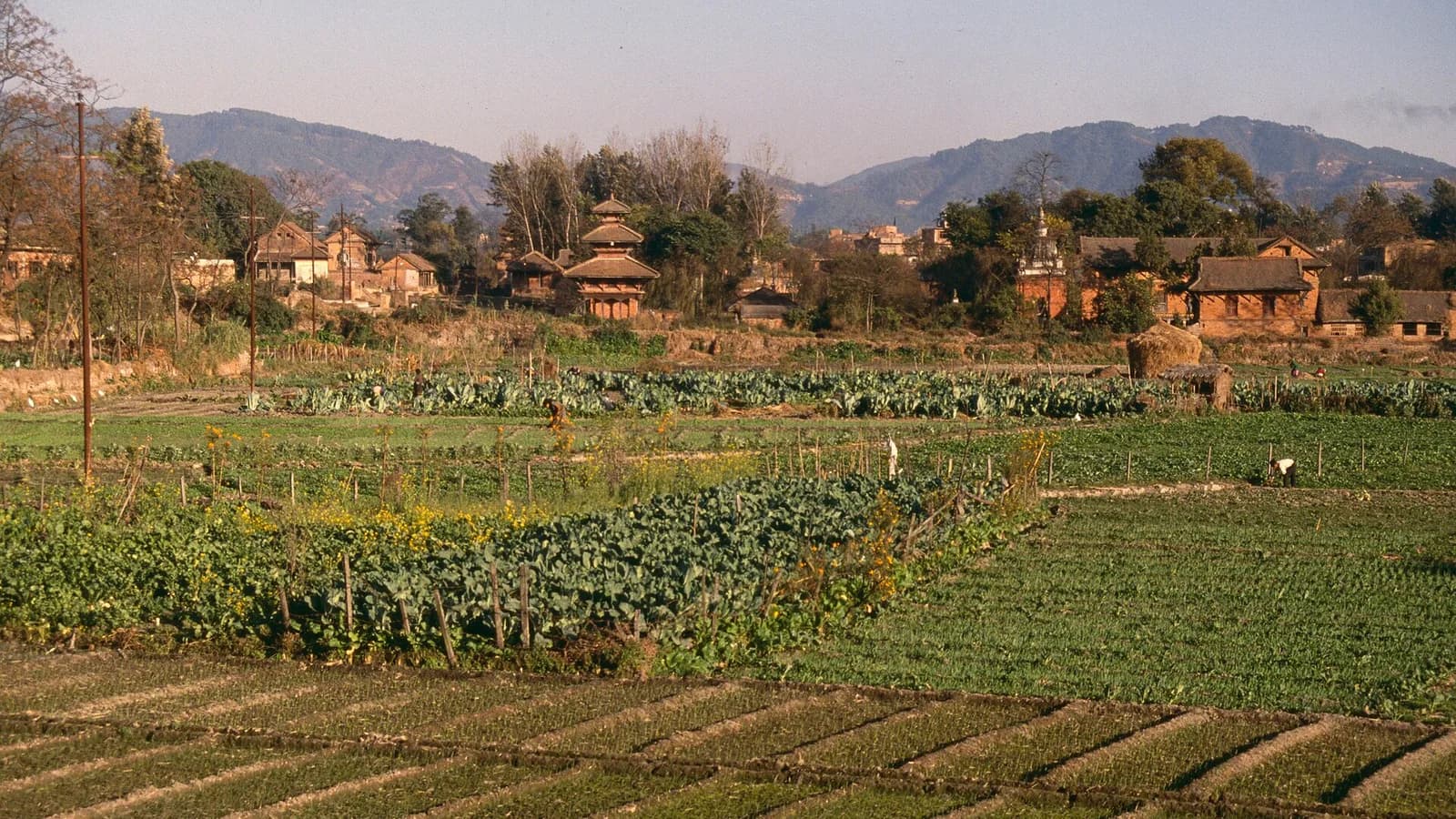
The Cricket Association of Nepal, almost always shortened to CAN, is the national governing body for cricket in Nepal. It oversees the men's, women's, and age-group national teams, runs domestic competitions, and represents the country within the International Cricket Council (ICC) and the Asian Cricket Council (ACC). This guide offers a neutral, fact-checked look at CAN's history since 1946, its role today, its ICC membership, and the suspension and reinstatement that tested it in recent years. It pairs naturally with our guides to the Nepal cricket team and the wider story of cricket in Nepal.
Key takeaways
- CAN was founded in 1946 and is the sole national governing body for cricket in Nepal.
- Nepal became an ICC Associate Member in 1996 and is a member of the Asian Cricket Council.
- CAN runs the national teams, domestic tournaments, and provincial associations across Nepal.
- The ICC suspended CAN in April 2016 over government interference and lifted the suspension in October 2019.
- The body is based in the Kathmandu Valley and operates the Tribhuvan University ground in Kirtipur.
- CAN helped launch the franchise-based Nepal Premier League, whose first season ran in late 2024.
What the Cricket Association of Nepal does
Like national cricket boards elsewhere, CAN sits at the centre of the sport in its country. Its responsibilities span the full pyramid of the game, from grassroots development to the senior national side that competes internationally.
In practice, CAN's core functions include:
| Area | What CAN is responsible for | | --- | --- | | National teams | Selecting and supporting the men's, women's, and under-19 sides | | Domestic cricket | Organising national tournaments and provincial competitions | | Governance | Maintaining the constitution, elections, and office bearers | | International ties | Representing Nepal at the ICC and the Asian Cricket Council | | Infrastructure | Running grounds, including the home venue in Kirtipur |
This makes CAN the gatekeeper for almost everything official in Nepali cricket, including who plays for the country and which competitions feed talent into the national setup.
A history stretching back to 1946
CAN's roots reach back to the early decades of cricket in Nepal. The game had arrived in the 1920s with members of the ruling Rana aristocracy, who had encountered it within the British Empire, and for years it remained an elite pastime in Kathmandu. The Cricket Association of Nepal was established in 1946 to organise this aristocratic cricket, making it one of the older sporting institutions in the country.
The body's reach widened over the following decades. In 1961, CAN came under the umbrella of the National Sports Council, formalising cricket's place within Nepal's official sporting structure, even though the game itself stayed concentrated in the capital until the 1980s. As cricket spread to other towns and provinces, CAN's role grew from administering a small elite circle to governing a sport with national ambitions.
ICC and ACC membership
CAN's place in the international game developed alongside the national team's progress. Nepal joined the Asian Cricket Council in 1990 and then became an Associate Member of the ICC in 1996, the same year the national side made its debut at the ACC Trophy in Kuala Lumpur.
Associate membership is the ICC's status for nations that play international cricket but are not among the full Test-playing members. For Nepal it has been the platform for everything that followed, including the team's qualification for the ICC Men's T20 World Cup in 2014 and 2024, and its achievement of One Day International status in 2018. Membership also brings obligations: the ICC expects member boards to run free of improper government interference and to hold proper elections, requirements that would later prove pivotal for CAN.
The 2016 suspension and 2019 reinstatement
The most difficult chapter in CAN's recent history came in April 2016, when the ICC suspended the association. The stated reason was government interference in CAN's affairs, which conflicted with the ICC's governance rules requiring member boards to operate independently. The suspension was a serious blow: it restricted funding and complicated Nepal's participation in the international game during a period when the national team was on the rise.
A long process of governance reform and disputed internal elections followed. The suspension was eventually lifted in October 2019, when the ICC conditionally readmitted CAN after the relevant governance and election issues were addressed. The episode is widely cited as a cautionary example of how administrative problems off the field can hold back progress made on it, and it remains an important part of understanding the body's modern history.
How CAN is organised today
CAN operates as a national federation with a network of provincial cricket associations covering Nepal's provinces, which feed players and competitions into the national structure. Departmental and institutional teams, such as those associated with the army, police, and armed forces, also play a significant role in the domestic game, providing many of the country's leading cricketers with regular competition.
The association is led by elected office bearers, including a president and other officials, with leadership changing through periodic elections. As with any governing body, specific individuals in these roles change over time, and the most current details are best confirmed through CAN's own channels and reputable cricket sources. Selection of national squads and captains, including in the Nepal cricket team, ultimately falls under CAN's authority.
Grounds, domestic cricket, and the Nepal Premier League
CAN's flagship venue is the Tribhuvan University International Cricket Ground in Kirtipur, on the edge of the Kathmandu Valley, which hosts most home internationals and is known for its large, passionate crowds. The association also organises a calendar of domestic competitions across formats, from multi-day matches to one-day and Twenty20 tournaments, that form the backbone of the national pathway.
A major recent step was the franchise-based Nepal Premier League, whose inaugural season ran from late November to December 2024 with eight city-based teams, including sides representing Kathmandu, Pokhara, and Janakpur. The league added a high-profile domestic competition to the calendar and gave Nepali players regular exposure alongside overseas professionals, complementing the grassroots growth that has produced thousands of clubs and tens of thousands of registered players nationwide.
Developing the women's and age-group game
CAN's remit extends well beyond the senior men's team. The association fields a women's national side and women's age-group teams that compete in regional tournaments and ICC qualifying events, part of a gradual effort to broaden participation in the sport. On the junior side, Nepal's under-19 men's teams have been a notable success story, regularly reaching the ICC Under-19 World Cup and serving as a proving ground for players who later graduate to the senior squad. By running these pathways alongside the headline team, CAN aims to ensure a steady supply of talent rather than relying on a single generation of players. This long-term development role is one of the less visible but more important parts of a governing body's work.
Why CAN matters
For anyone interested in Nepali cricket, CAN is the institution that makes the rest possible. The national team's rise to ODI status, its world records, and its World Cup appearances all rest on the organisation that selects the squads, runs the competitions, and holds the country's seat at the international table. Its story, from a 1946 aristocratic club to an ICC member that weathered suspension and returned, mirrors the broader arc of cricket in Nepal and the wider currents of Nepali culture.
The bottom line
The Cricket Association of Nepal is the quiet engine behind one of the country's most beloved sports. Founded in 1946, an ICC Associate Member since 1996, and reinstated in 2019 after a three-year suspension, CAN governs the teams, tournaments, and grounds that have carried Nepali cricket onto the world stage. Understanding it adds valuable context to every match you follow, and to the achievements of the Nepal cricket team.
Sources
Frequently asked questions
- What is the Cricket Association of Nepal?
- The Cricket Association of Nepal, or CAN, is the national governing body for cricket in Nepal, responsible for the national teams, domestic competitions and the country's ICC affiliation.
- When was the Cricket Association of Nepal founded?
- CAN was established in 1946, originally to organise the game among Nepal's aristocratic players, making it one of the country's older sporting bodies.
- Is Nepal a member of the ICC?
- Yes. Nepal has been an Associate Member of the International Cricket Council since 1996, and CAN is also a member of the Asian Cricket Council.
- Why was CAN suspended by the ICC?
- The ICC suspended CAN in April 2016 over concerns about government interference in the body's operations, which breached the ICC's governance requirements.
- When was CAN reinstated?
- The ICC lifted CAN's suspension in October 2019, conditionally readmitting it after governance and election issues were addressed.
- Where is the Cricket Association of Nepal based?
- CAN is headquartered in the Kathmandu Valley and operates the Tribhuvan University International Cricket Ground in Kirtipur as the main home venue.
Related posts
CAN: The Cricket Association of Nepal Explained
What does CAN mean in Nepali sport? A short, fact-checked explainer: CAN is the Cricket Association of Nepal, the body that governs cricket in Nepal.
Read postNepal Cricket Team: History, ODI Status and Rise
A neutral, fact-checked guide to the Nepal cricket team: its history, ICC membership, ODI status, record-breaking players and rise on the world stage.
Read postNepal vs West Indies Cricket: A Historic Upset Story
Nepal vs West Indies cricket: how Nepal beat two-time champions West Indies in 2025 for a historic first, plus the evergreen head-to-head with sources.
Read post