Bhote Koshi Rafting: Nepal's Steepest White Water
Bhote Koshi rafting — the steepest commercial river in Nepal. Grades, the put-in near Lamosangu, seasons, safety and how to plan a day or two on the water.
The Bhote Koshi drops fifteen metres for every kilometre it runs, and you feel every one of them — one rapid spills straight into the next with no flat water to catch your breath.
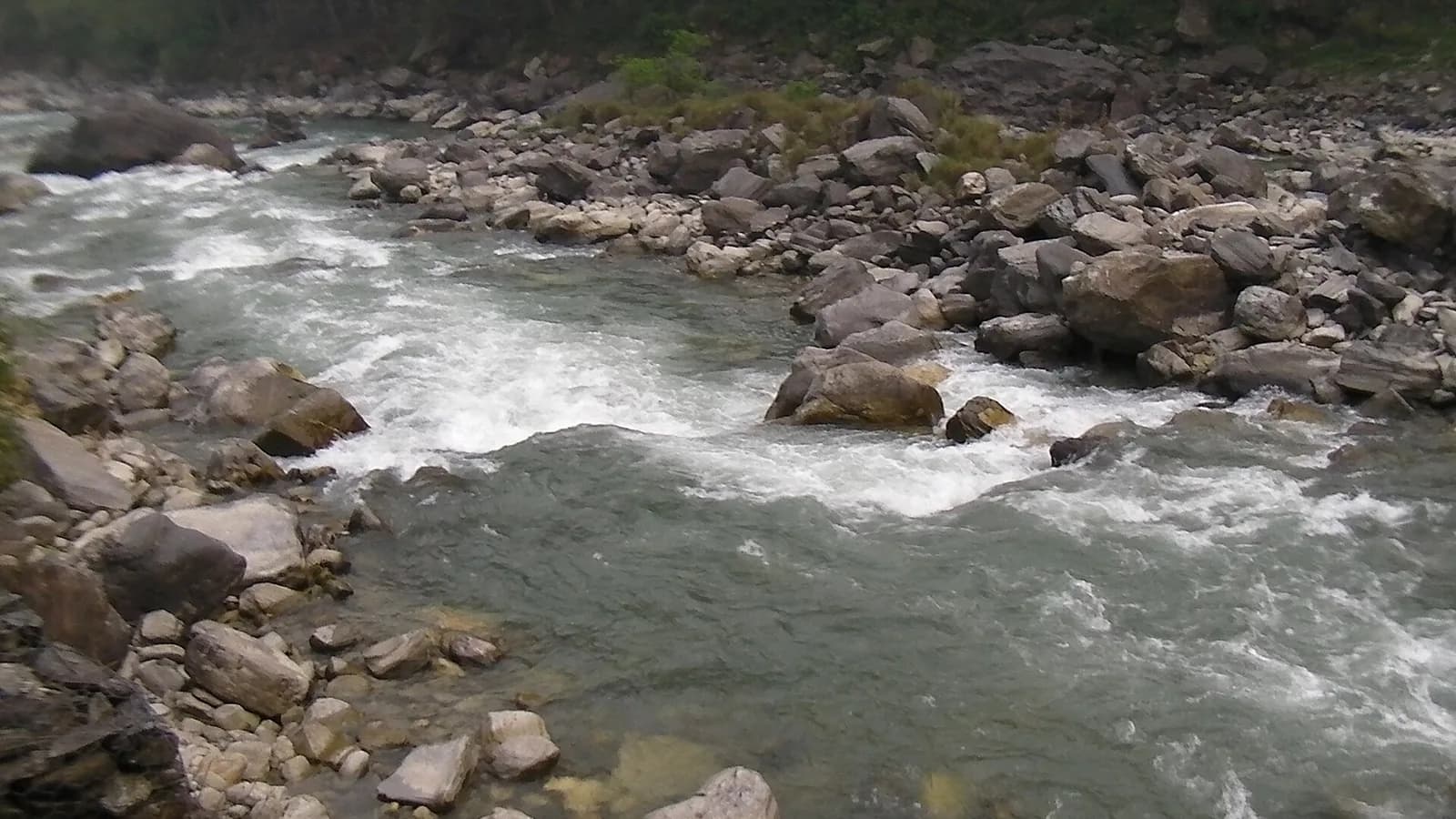
If the Trishuli is Nepal's friendly introduction to white water, the Bhote Koshi is its sharp end. Tumbling out of the high country near the Tibet border, it is the steepest river run commercially in Nepal — dropping about fifteen metres for every kilometre — and that steepness turns an ordinary afternoon on the water into a relentless, adrenaline-soaked ride. Bhote Koshi rafting packs continuous rapids, dramatic gorge scenery and a short but ferociously intense run into a single day out from Kathmandu, making it a favourite for travellers who already have a paddle stroke and want more bite than the Trishuli can offer.
This guide is a focused companion to our broader white water rafting Nepal guide, which compares the Bhote Koshi against the country's other rivers. River conditions, grades and prices shift with the season and the water level, so treat everything here as a planning guide and confirm the details when you book. Sources are linked at the end.
Key takeaways
- The Bhote Koshi is the steepest river commercially rafted in Nepal, with a gradient of about 15 m per kilometre — roughly eight times steeper than the Sun Koshi it feeds.
- Its rapids run broadly Class III to V depending on flow, and the continuous, back-to-back nature makes it feel harder still — it suits fit, confident or experienced rafters more than total beginners.
- Trips put in near Lamosangu / Khadichaur in Sindhupalchok district, about a 3-hour, sub-80 km drive northeast of Kathmandu on the Araniko Highway, usually taking out near Dolalghat.
- The best seasons are autumn (roughly Sept/Oct–Dec) and spring (March–May); the high monsoon flow is best avoided.
- It runs through the same valley as The Last Resort bungee, so rafting can be paired with bungee, a canyon swing or canyoning for a multi-activity adventure.
- You always wear a life jacket and helmet — the biggest safety decision is choosing a reputable, well-equipped operator for a river this demanding.
What makes the Bhote Koshi different
Most of Nepal's rafting rivers are big-volume runs: wide, powerful and forgiving, where the rapids are spaced out and you get flat water to regroup between them. The Bhote Koshi is the opposite. It is a steep, low-volume creek run that drops fast and rarely lets up.
The headline number is the gradient. According to its Wikipedia entry, the Bhote Koshi falls about 15 metres per kilometre, which makes it the steepest river rafted in Nepal — a full eight times as steep as the Sun Koshi, the larger river it eventually becomes. That steepness is the whole experience. Instead of a few discrete rapids, you get an almost continuous staircase of white water where one drop spills straight into the next.
Where the river comes from
The Bhote Koshi (the name roughly means "river from Tibet") is the upper course and main tributary of the Sun Koshi, part of the wider Koshi river system. Its headwaters lie at the Zhangzangbo Glacier in Tibet, where it is known as the Poiqu. The river crosses into Nepal, runs south through Sindhupalchok district, and from the village of Barabise onward it takes the name Sun Koshi as it grows in volume. The rafted section sits in that steep, narrow stretch before the river mellows — which is exactly why it is so intense.
The rapids and the grade
The Bhote Koshi's difficulty is firmly in the upper tier of Nepal's commercial rivers, but it is not fixed — it rises and falls with the water level.
| Aspect | What to expect | |---|---| | Typical grade | Broadly Class III–V, varying with flow | | Low water | Closer to Class III | | High flow | Harder sections push into Class IV–V | | Character | Steep, continuous, one rapid into the next | | Best suited to | Fit, confident or previously experienced rafters |
The key thing to understand is that the grade number undersells the river. On a big-volume run, a Class IV rapid is followed by a recovery pool. On the Bhote Koshi, the relentless, back-to-back nature means there is little time to rest, reset or self-rescue between drops. That continuous quality is what earns it a reputation as one of the most demanding day runs in the country, even when the raw grade reads similar to gentler rivers at certain flows.
For a river that swings from a lively Class III at low water to genuinely serious white water at high flow, the single most important habit is to go by current conditions and your operator's judgement on the day, never by a figure you read online months earlier.
Getting there: logistics from Kathmandu
The Bhote Koshi's great advantage is how close it is to the capital. The river runs along the Araniko Highway, the road that climbs northeast from Kathmandu towards the Tibet border, so reaching the put-in is a straightforward — if winding — drive rather than an expedition.
The route and put-in
- Drive time: roughly 3 hours from Kathmandu.
- Distance: a little under 80 km northeast.
- Put-in area: commonly near Lamosangu, with Khadichaur also widely used as a starting point.
- Take-out: a one-day run typically finishes near Dolalghat; longer trips can continue downstream.
Because the river is short and steep, the on-water section is more compact than on a big river like the Sun Koshi, but the intensity more than makes up for the length. Most one-day trips leave Kathmandu very early — a pre-dawn or early-morning departure from Thamel is normal — drive out along the highway, run the river with a riverside lunch, and return to the city in the afternoon. Allow a full day door to door.
When to go
Like all of Nepal's rivers, the Bhote Koshi is governed by the monsoon. The seasons that work best are the dry, settled months on either side of the summer rains.
| Season | Months (approx.) | Conditions | |---|---|---| | Autumn | Sept/Oct – December | Clear post-monsoon skies, workable levels — a prime window | | Spring | March – May | Warm, stable, good flows — the other prime window | | Monsoon | June – August | Very high, fast water; most operators avoid peak flow | | Winter | December – February | Doable but cold; lower, easier water |
Operators frequently single out April, May, September and October as the strongest months. During the monsoon, snowmelt and rain push the river much higher and faster, which lifts the grade and the risk well beyond what most commercial trips will run — so reputable operators steer clear of the peak. For the great majority of visitors, autumn and spring are the obvious choices, with autumn offering the famously clean post-monsoon air.
If you are weighing up exactly when to visit Nepal more broadly, our guide to the best season to trek in Nepal lines up well with the rafting windows, since the same dry months suit both.
Safety and what to expect on the water
A steep, continuous river demands more respect than a gentle one, and the safety basics matter even more here. None of this should put you off — it is simply the reality of choosing a more serious river.
The essentials
- Gear: trips use self-bailing rafts and provide helmets, life jackets, paddles and spray gear as standard. You wear the helmet and life jacket the entire time on the water.
- Briefing: every trip should start with a safety talk covering paddle commands, what to do if you fall out, and how to help in a rescue. Take it seriously.
- Guides: established operators staff trips with experienced river guides and support crew. On a river this demanding, guiding quality is not a luxury — it is the core of your safety.
- Fitness and swimming: a good level of fitness helps, and while formal swimming training is not always required, being genuinely comfortable in moving water counts for a lot here.
- Minimum age: figures around 14–16 years are commonly quoted for harder white water like this, stricter than on family rivers. Confirm the limit with your operator.
The two biggest risk factors on any Nepal river are running it in unsuitable high water and cutting corners on gear and guiding. Both are within your control: choose a well-regarded operator, avoid the high monsoon flows, listen to the briefing and follow your guide's commands without hesitation. Comprehensive travel insurance that covers adventure activities is sensible too — see our note on trekking insurance and helicopter evacuation, much of which applies equally to river trips.
What to bring
Operators usually advise quick-drying clothing and a few practical items rather than anything specialised:
- River-friendly footwear — secure sandals or old trainers that can get wet
- Quick-drying shorts and a T-shirt or rash top for the water
- A warm layer (a fleece or light jacket) and dry clothes for afterwards
- Sunscreen, sunglasses with a retainer strap, and a hat
- A small towel and any personal medication
Leave valuables and anything that must stay dry behind or in the support vehicle.
Pairing rafting with the Bhote Koshi adventure hub
One of the best reasons to head up this valley is that the Bhote Koshi has become Nepal's adventure-sports corridor, so rafting need not be the only thing you do. The same gorge is home to The Last Resort, perched on a suspension bridge high above the river, which opened in 1999 as Nepal's first bungee site. From that bridge you can take a roughly 160-metre bungee plunge or a canyon swing over the same water you raft, and the area also offers canyoning and high-ropes activities.
That concentration of adrenaline in one place makes the Bhote Koshi a natural pick for a multi-activity day or overnight, rather than a single rafting run. Many visitors combine a morning on the water with a bungee or swing, or build a two-day trip with riverside camping. If your nerves prefer a softer landing, Pokhara has its own setup — see our Pokhara bungee guide for the alternative.
Fitting it into a Nepal trip
Because it is so close to Kathmandu, the Bhote Koshi slots neatly into a city-based stretch of a trip without costing you days elsewhere. It pairs well with the cultural sightseeing in our things to do in Kathmandu guide — a day of valley temples, a day on the river. And if rafting is one piece of a bigger plan, our two-week Nepal itinerary shows where an adventure day naturally fits between treks, festivals and the lowland parks.
Is the Bhote Koshi right for you?
Choose the Bhote Koshi if you have rafted before, you are reasonably fit and comfortable in water, and you want the most intense day run within easy reach of Kathmandu. The steep, continuous white water and the gorge scenery are genuinely thrilling, and the chance to bolt on a bungee jump makes the valley one of the best adventure stops in the country.
Think twice if it would be your very first time on white water, if you are travelling with young children, or if you simply want a relaxed float with a picnic. In those cases the gentler Trishuli — beginner-friendly and right on the Pokhara highway — is the smarter choice, and you can always graduate to the Bhote Koshi on a later trip. Either way, book through an established operator, go in the right season, and let the river do the rest.
Sources
Frequently asked questions
- What grade are the Bhote Koshi rapids?
- The Bhote Koshi is one of Nepal's hardest commercial rivers, with rapids broadly in the Class III to V range depending on the water level. At lower flows it runs around Class III, and at high flow the harder sections push into Class IV and V. Because the river is so steep and continuous, the grade also feels tougher than the number alone suggests, since one rapid flows straight into the next with little flat water to recover. Always go by the current conditions and your operator's advice rather than a fixed figure.
- Is Bhote Koshi rafting suitable for beginners?
- It is generally better suited to fit, confident participants and people who have rafted before, rather than complete first-timers. The river is the steepest commercial run in Nepal and the rapids come thick and fast, so most operators recommend a good level of fitness and comfort in moving water. If it is your very first time on white water, a gentler river such as the Trishuli is usually the wiser starting point. If you do book the Bhote Koshi, listen carefully to the safety briefing and follow every command your guide gives.
- Where does the Bhote Koshi rafting trip start?
- The river runs through Sindhupalchok district northeast of Kathmandu, and trips typically put in near the town of Lamosangu, with Khadichaur also commonly used as a starting area. The drive out from Kathmandu along the Araniko Highway takes roughly three hours and covers a little under 80 kilometres. A one-day run usually takes out downstream near Dolalghat, while longer trips can continue further. Confirm the exact put-in and take-out with your operator, since these shift with water levels and road conditions.
- When is the best time for Bhote Koshi rafting?
- The prime windows are autumn, roughly September or October to December, and spring, roughly March to May, when the weather is settled and water levels are workable. Operators often single out April, May, September and October as the strongest months. During the summer monsoon the river runs very high and fast, which raises the grade and the risk, so most reputable operators avoid the peak flows. For most visitors the clear choices are post-monsoon autumn and pre-monsoon spring.
- How long is a Bhote Koshi rafting trip?
- Most people raft the Bhote Koshi as a single day out from Kathmandu, with a very early start, around three hours of driving each way and a few hours on the water. Because the river is short and steep, the paddling section is more compact than on bigger rivers, but it is intense. Some operators offer a two-day version with overnight riverside camping, and the Bhote Koshi can also be combined with the gentler Sun Koshi downstream. Allow a full day door to door even for the one-day option.
- Do I need to swim to raft the Bhote Koshi?
- You wear a life jacket and helmet throughout and the guide explains exactly what to do if you end up in the water, so formal swimming training is not always required. That said, being genuinely comfortable in moving water matters far more on a steep, continuous river like this than on an easy one, and many operators ask that participants can swim or are at least confident in water. If you are a weak swimmer, choose an easier river, and always tell your guide before you set off so they can watch you closely.
- What is the minimum age for Bhote Koshi rafting?
- Minimum ages vary between operators and with the difficulty of the run, and figures around 14 to 16 years are commonly quoted for harder white water like the Bhote Koshi. Because this is one of the more demanding rivers in Nepal, age limits tend to be stricter than on gentle family rivers such as the Trishuli. Always confirm the minimum age directly with your chosen operator before booking, especially if you are travelling with teenagers, and be honest about any health conditions.
- How does the Bhote Koshi compare to the Trishuli?
- They sit at opposite ends of Nepal's day-rafting scale. The Trishuli is the country's gentle, beginner-friendly classic, with manageable rapids and easy highway access on the way to Pokhara. The Bhote Koshi is short, exceptionally steep and far more demanding, with continuous rapids and little rest between them. If you want a relaxed introduction or a family day, choose the Trishuli; if you have rafted before and want a serious adrenaline hit close to Kathmandu, the Bhote Koshi is the bigger thrill.
Related posts
Sun Koshi Rafting: River of Gold Expedition Guide
Sun Koshi rafting — Nepal's longest river expedition. Grades, the Dolalghat to Chatara route, best season, rapids, camping and how to plan it.
Read postTrishuli River Rafting: Day Trip Guide (2026)
Trishuli river rafting — Nepal's most popular day trip. Rapids, grades, cost, the Charaudi put-in, seasons, safety and how to slot it into your route.
Read postWhite Water Rafting Nepal: Rivers & Guide (2026)
White water rafting Nepal — the best rivers from the Trishuli to the Sun Koshi, grades, costs, seasons, safety and how to pick a trip that suits you.
Read post