14 Peaks: Nothing Is Impossible Explained
What 14 Peaks: Nothing Is Impossible gets right about Nimsdai Purja's Project Possible, plus the Nepali grit behind the record.
Six months, six days, fourteen of the tallest mountains on Earth - and a very Nepali idea of what is possible.
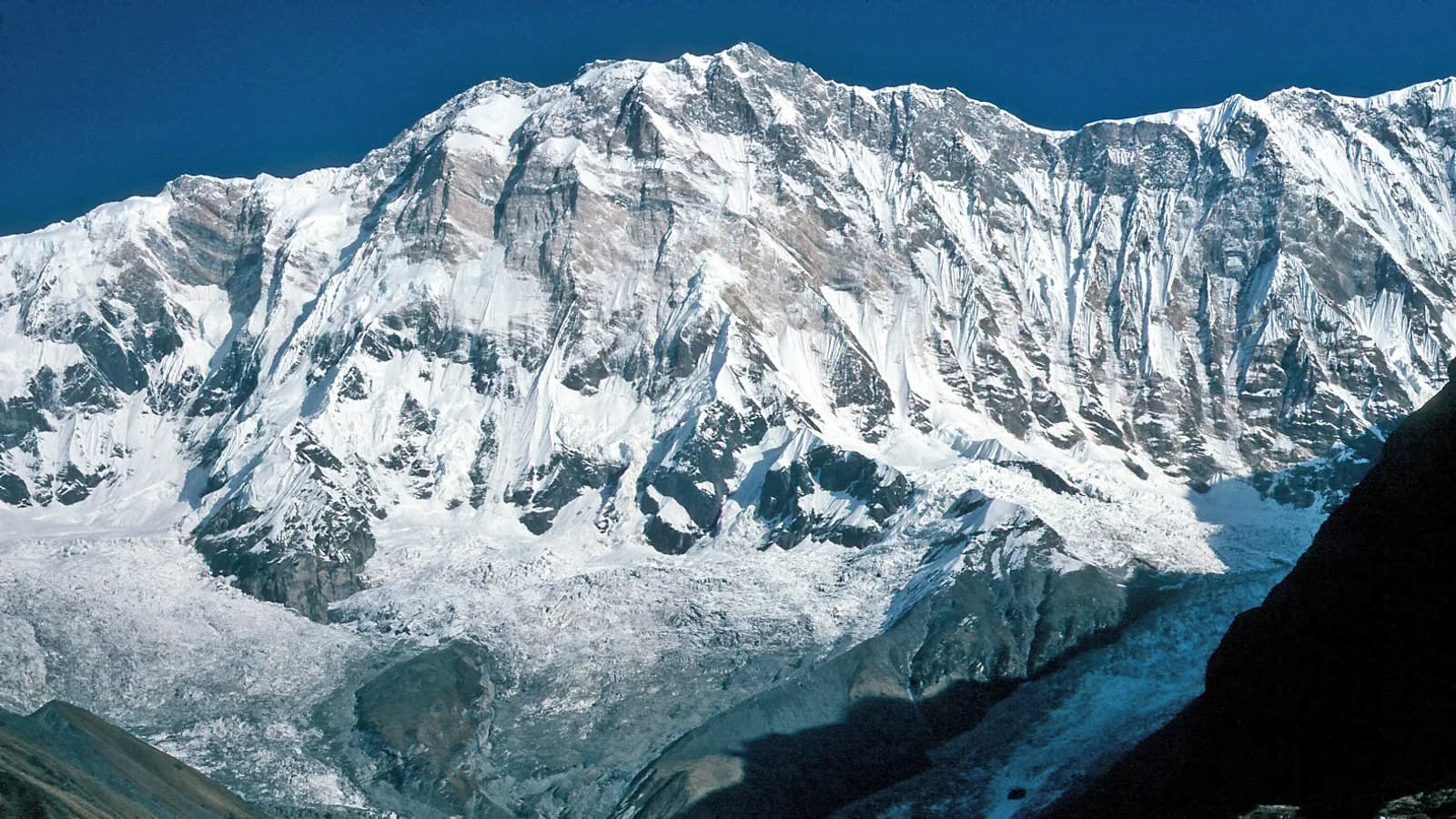
If you have spent any time daydreaming about the Himalaya, you have probably heard about 14 Peaks: Nothing Is Impossible - the 2021 Netflix documentary that turned Nepali mountaineer Nimsdai Purja into a household name. It follows his bid to climb all fourteen of the world's 8,000-metre mountains in a single, breathless campaign he named Project Possible. This guide separates what the film actually documents from the legend that has grown around it, and adds the Nepali context that makes the story land harder.
Key takeaways
- 14 Peaks: Nothing Is Impossible is a real expedition documentary, not a dramatisation, built largely from footage shot on the mountains by Purja and his team.
- Nimsdai Purja summited all 14 eight-thousanders in six months and six days in 2019, shattering a record that had stood at roughly seven to eight years.
- The climbs used supplemental oxygen, which the film and his team have always stated plainly.
- The achievement leaned heavily on Nepali and Sherpa teamwork, logistics, and high-altitude experience - not a solo hero narrative.
- For visitors, the film is inspiration, not an itinerary: it shows elite climbing, while most travellers do far gentler teahouse treks.
What the documentary actually covers
The film tracks a single idea: could one team summit every mountain above 8,000 metres in one continuous season, when the previous best had taken years? Purja called the plan Project Possible 14/7 - fourteen peaks, a target of seven months. Directed by Torquil Jones and executive produced by adventure filmmakers Jimmy Chin and Elizabeth Chai Vasarhelyi, it weaves expedition footage with the human pressures behind the climb, including the illness of Purja's mother back home in Nepal.
What makes the film unusual is how much of it was filmed by the climbers. Netflix's official materials describe more than 100 hours of footage shot by Purja and his team on the big mountains, which is why the on-summit moments feel so immediate rather than staged.
A quick note on names
You will see the climber called Nirmal Purja, Nims, and Nimsdai. "Dai" (दाइ) is the Nepali word for older brother, used widely as a warm, respectful term of address. If you are picking up the language, our explainer on Nepali honorifics like tapai, timi and ta unpacks exactly why a word like dai carries so much affection.
The record, in plain numbers
This is where casual viewers most often get the details muddled, so here are the verified figures.
| Detail | What the record shows | | --- | --- | | Total time | Six months and six days (about 189-190 days) | | Window | April to October 2019 | | First summit | Annapurna I, Nepal - 23 April 2019 | | Final summit | Shishapangma, Tibet - 29 October 2019 | | Previous fastest | Roughly seven to eight years | | Oxygen | Bottled supplemental oxygen used |
The leap is staggering when you sit with it. Earlier mountaineers had needed the better part of a decade to collect all fourteen summits; Purja's team did it in a span you could mistake for a long climbing season. Multiple Nepali and international outlets reported the finish in late October 2019, well inside his own seven-month goal.
The fourteen mountains
The eight-thousanders are scattered across Nepal, Pakistan, Tibet and the Nepal-Tibet border. The 2019 push covered all of them: Annapurna I, Dhaulagiri I, Kanchenjunga, Everest, Lhotse, Makalu, Nanga Parbat, Gasherbrum I, Gasherbrum II, Broad Peak, K2, Cho Oyu, Manaslu and Shishapangma. Eight of these sit in or on the border of Nepal, which is part of why the country features so prominently on screen. If you want the lay of the land, our overview of the highest mountains in Nepal maps out where these giants stand.
Why this is a Nepali story, not a solo one
It would be easy to watch the film and remember only one face. The reality the documentary keeps returning to is that the record ran on teamwork - a rotating cast of Nepali climbers and Sherpas fixing ropes, breaking trail, hauling oxygen and making the kind of split-second calls that keep people alive in the death zone.
That collaborative backbone is the real headline for many Nepali viewers. High-altitude mountaineering in the Himalaya has always depended on the skill of Sherpa and other Nepali hill communities, and Project Possible put that expertise centre stage rather than in the background. To understand the people behind so many Himalayan summits, read our pieces on who the Sherpas are and the wider Sherpa community and culture.
The "nothing is impossible" idea
The film's subtitle is not just marketing. The phrase captures an attitude - that a goal dismissed as fantasy can be reorganised into something achievable with planning, fitness and relentless logistics. For viewers in Nepal, where the mountains are both a source of pride and a hard livelihood, that framing resonates beyond climbing.
A little about the climber, kept to the facts
Nimsdai Purja was born in 1983 in Nepal's Myagdi District, in the Dhaulagiri region, and his family later moved toward the lowlands. He served as a Gurkha soldier and went on to join the United Kingdom's Special Boat Service, an elite naval special-forces unit, before stepping away from the military to focus on mountaineering. His Gurkha roots are a thread you can pull on further in our background on the Gurkhas and Gorkha soldiers.
Beyond Project Possible, Purja was part of the team that made the first winter ascent of K2 in 2021, alongside other Nepali climbers - another milestone that underlined how much of modern Himalayan history is being written by Nepalis. We are sticking to well-documented facts here; for the full biography and citations, the Wikipedia entry in the sources is a reliable starting point.
What the film gets right - and what to keep in perspective
As a piece of storytelling, the documentary is widely praised for its scenery, pace and emotional honesty. It is genuinely useful for understanding the scale and danger of 8,000-metre climbing.
A few honest caveats for travellers:
- It shows elite climbing, not trekking. The summits in the film are technical, oxygen-dependent expeditions that take years of training. The Nepal most visitors experience is teahouse trekking on established trails - challenging, but a different world. Our trekking in Nepal primer sets realistic expectations.
- Oxygen is part of the record. The 2019 climbs used supplemental oxygen, and the film does not hide this. It is worth knowing if you read commentary that confuses these climbs with oxygen-free mountaineering.
- The mountains are real places with real risk. The eight-thousanders claim lives every year. The documentary's drama is not exaggerated for effect.
If the film inspires a trip
You do not need to be a record-breaker to stand among these peaks. Plenty of routes put you within sight of the giants without technical climbing. The Everest region and the classic trails below it are the obvious draw, and our roundup of the mountains of Nepal helps you choose a horizon to chase. Go with a registered operator, respect acclimatisation, and treat the high country with the same care the film's climbers show one another.
Watching it well
If you are queuing the film up before a Nepal trip, watch it for what it is: a portrait of human endurance and Nepali mountain skill, not a how-to. Pair it with a phrasebook and a little cultural reading and you will arrive understanding far more than the average visitor - including why a respectful namaste and a friendly dai open more doors in Nepal than any summit ever could.
Sources
- 14 Peaks: Nothing Is Impossible - official Nimsdai film page
- 14 Peaks: Nothing Is Impossible - Netflix official site
- 14 Peaks: Nothing Is Impossible - Wikipedia
- Nirmal Purja - Wikipedia
- Project Possible - official Nimsdai page
- Nirmal Purja makes history by climbing all 14 peaks above 8,000 metres in 190 days - The Kathmandu Post
- Nirmal Purja receives global recognition through his Netflix documentary - The Himalayan Times
Frequently asked questions
- What is 14 Peaks: Nothing Is Impossible about?
- It is a 2021 Netflix documentary following Nepali climber Nimsdai Purja as he attempts to summit all 14 of the world's 8,000-metre peaks in a single push he called Project Possible.
- Is 14 Peaks based on a true story?
- Yes. The film documents a real 2019 expedition, built largely from footage shot by Purja and his team on the mountains themselves.
- How long did Nimsdai Purja take to climb all 14 eight-thousanders?
- He completed all 14 peaks in six months and six days, between April and October 2019, beating a previous record that had stood at roughly seven to eight years.
- Which mountain did the record start and end on?
- The push began on Annapurna I in Nepal on 23 April 2019 and finished on Shishapangma in Tibet on 29 October 2019.
- Did Nimsdai Purja climb the 14 peaks without oxygen?
- No. The 2019 Project Possible climbs used bottled supplemental oxygen, which the film and his team have always stated openly.
- Who directed 14 Peaks: Nothing Is Impossible?
- It was directed by Torquil Jones, with mountaineering filmmakers Jimmy Chin and Elizabeth Chai Vasarhelyi among the executive producers.
- Is the documentary worth watching before a trek to Nepal?
- Many trekkers enjoy it for the Himalayan scenery and the Sherpa teamwork, though remember it shows elite high-altitude climbing, not the gentler teahouse trekking most visitors do.
- Where can I watch 14 Peaks: Nothing Is Impossible?
- It streams on Netflix, and details are listed on the official Nimsdai film page linked in the sources below.
Related posts
Everest Permit Fee Increase 2025: Why It Rose
The Everest permit fee increase 2025 lifted the spring royalty to USD 15,000. Here is why Nepal raised it and how the hike ripples beyond Everest.
Read postEverest Tourism Bill: What Nepal's New Law Changes
A clear, sourced guide to the Everest tourism bill — Nepal's Integrated Tourism Bill 2081, its climbing rules, fees and where it stands in parliament.
Read postKami Rita Sherpa: The Everest Man's Record Climbs
Who is Kami Rita Sherpa? Meet the Nepali guide with the most Mount Everest summits ever, his record, life in Thame and why it matters.
Read post