Gay Nepal: LGBTQ Travel Guide for 2026
A practical, up-to-date guide to gay Nepal for LGBTQ travelers — the legal picture in 2026, where the scene is, and how to travel comfortably and safely.
Nepal is quietly one of Asia's most welcoming places to travel queer — and it is leaning into that reputation on purpose.
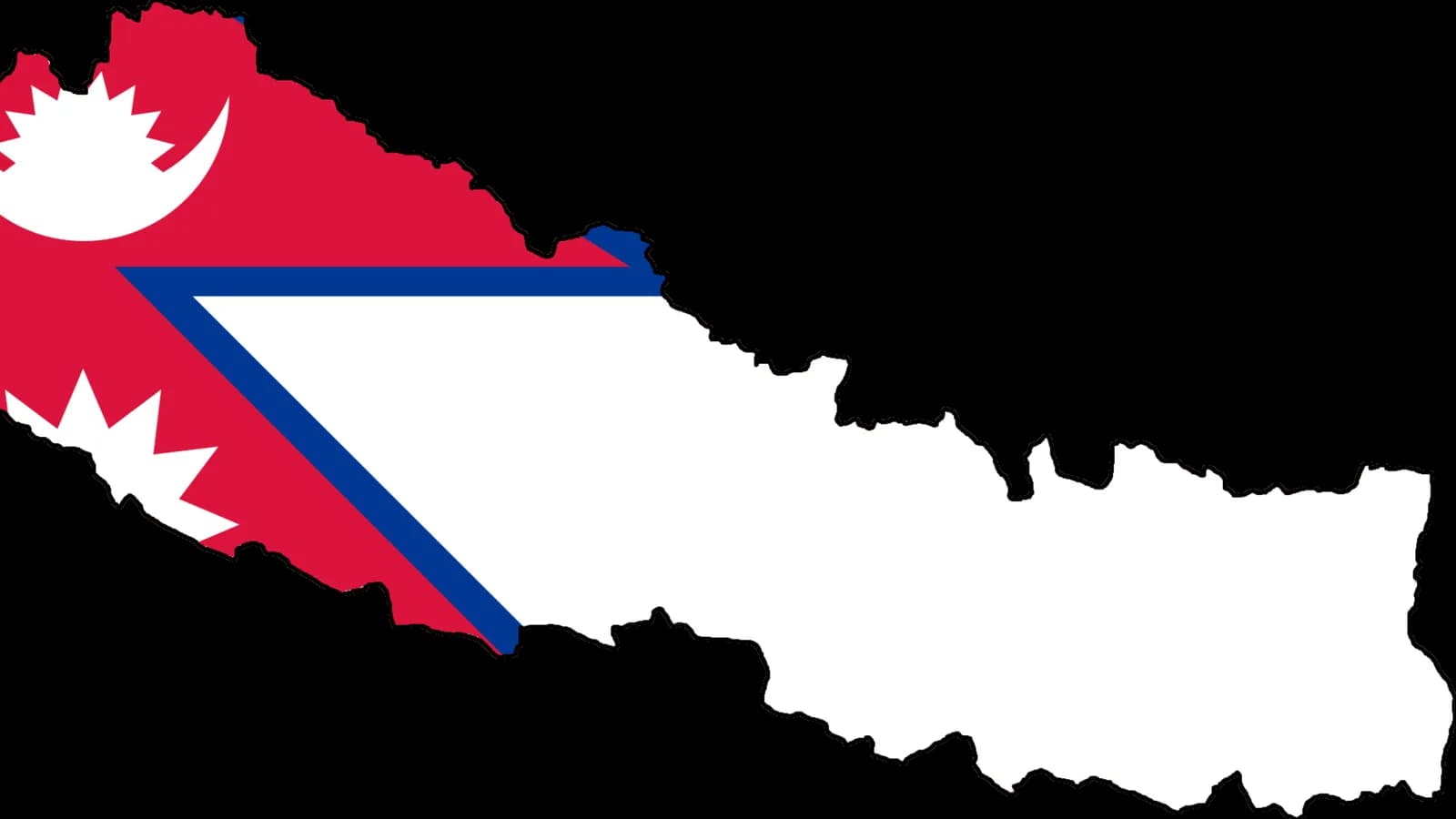
Nepal rarely tops the lists of famous "gay travel" destinations, yet it quietly outranks almost every country around it on LGBTQ rights and everyday acceptance. Gay Nepal is a story of firsts: the first South Asian country to legally recognise a third gender, the first in the region to register same-sex marriages — even if only temporarily so far — and a government actively courting queer travelers as part of its tourism strategy. For LGBTQ visitors planning a trek, a cultural trip or a long stay, that adds up to a destination that is welcoming in practice and, increasingly, in law.
This guide lays out the practical picture for 2026: what the law actually protects, where the scene is, how comfortable day-to-day travel tends to be, and where a little discretion still helps. The aim is honest and useful rather than rosy — Nepal has made remarkable progress, but the gap between courtroom victories and lived rights is real, and worth understanding before you go.
Key takeaways
- Same-sex activity is legal, and Nepal's 2015 constitution explicitly protects "gender and sexual minorities" from discrimination — a rare stance in South Asia.
- Third-gender recognition is well established: citizenship documents and passports can carry an "other" (O) marker based on self-identification, with no medical proof required.
- Marriage is only partly recognised. Same-sex marriages have been temporarily registered since 2024, but officials confirm these certificates do not yet grant full legal rights; the case sits with a constitutional bench.
- Travel is generally comfortable, especially in tourist areas like Thamel, Pokhara Lakeside and the main trekking trails, where same-sex couples rarely face problems.
- Nepal is courting "pink tourism" on purpose, with LGBTQ-focused tour operators and government-backed training for queer trekking guides.
- Discretion still helps in rural and conservative areas, where public displays of affection of any kind are restrained.
The legal picture in 2026
Nepal's reputation rests on a string of court rulings and constitutional clauses that, on paper, place it among the more progressive countries in Asia.
The turning point came in December 2007, when Nepal's Supreme Court — responding to a writ petition led by the Blue Diamond Society and partner organisations — ordered the government to scrap discriminatory laws and recognise a third gender. That decision laid the groundwork for everything since.
When the new constitution took effect on 20 September 2015, it carried explicit protections. Article 18 guarantees equality and non-discrimination for gender and sexual minorities; Article 12 ties citizenship certificates to gender identity; and Article 42 names gender and sexual minorities among groups entitled to participate in state services and public life. With that, Nepal became one of the first countries in the world to name LGBTI protections directly in its constitution.
Third gender and self-identification
Nepal's third-gender recognition is notable for being based on self-identification. Individuals can declare their own gender identity without a medical exam, psychiatric evaluation or surgery, and official documents can carry an "other" (O) category. In 2015, Monica Shahi became the first person to receive a Nepali passport with the "other" gender marker.
For transgender and non-binary travelers, this means Nepal's framework is, in principle, more flexible than many wealthier countries. In practice, processing of these documents for Nepali citizens has at times slowed, which rights groups have linked to a recent rise in anti-gender advocacy — a reminder that the picture is progressing unevenly rather than in a straight line.
Same-sex marriage: recognised, but not fully
This is the area most often misreported, so it is worth being precise.
| Milestone | What happened | When | |---|---|---| | Supreme Court interim order | Court directed the government to "temporarily register" marriages of same-sex and non-traditional couples | June 2023 | | First registered marriage | Nepal registered a same-sex marriage, a regional first alongside Taiwan | Late November 2023 | | Home Ministry circular | Local authorities instructed to record same-sex marriages temporarily, in a separate register | April 2024 | | Rights still limited | Officials confirmed the temporary certificates do not grant full marriage rights | Reported May 2025 | | Referred to constitutional bench | Case sent to a larger bench for a final ruling | June 2025 |
The headline you will sometimes see — "Nepal legalised same-sex marriage" — is an overstatement of where things stand. Registration is happening, and that is genuinely historic for the region, but a Home Ministry circular noted that the temporary certificates do not yet deliver the legal protections of marriage, such as inheritance, spousal medical decisions, tax treatment or adoption. A final verdict from the full constitutional bench is still pending as of mid-2026.
For travelers, the practical upshot is simple: do not assume a marriage performed or registered in Nepal carries legal weight back home, or even full legal weight within Nepal. Treat any ceremony as symbolic unless you have specific, current legal advice.
How welcoming is Nepal day to day?
Legal frameworks are one thing; the feel on the ground is another. By the accounts of LGBTQ travel writers and operators, Nepal is comfortable and low-drama for most queer visitors, particularly in tourist areas.
Nomadic Boys and other LGBTQ travel guides describe Nepal as a place where travelers generally should not expect homophobia, and where same-sex couples move around tourist hubs without trouble. The broader cultural backdrop helps: Nepali society tends to be reserved about public romance for everyone, so two people of the same sex travelling together rarely reads as remarkable.
That said, Nepal is still a largely traditional, religious society outside its cities. The sensible approach mirrors the advice we give in our Nepal etiquette guide and on dress and conduct: keep public displays of affection low-key, especially in rural villages, on conservative stretches of the Terai, and around temples. This is not unique to LGBTQ travelers — it is how respectful travel works across Nepal.
Accommodation and trekking
In Kathmandu, Pokhara and on the main trekking circuits, booking a room as a same-sex couple is usually straightforward. Tourist guesthouses are used to international visitors, and a request for one bed rarely raises an eyebrow. In remote teahouses, staff may simply assume two friends are sharing — and there is no need to over-explain.
If you are heading for the trails, the usual planning still applies. Nepal now requires a licensed guide for foreigners on most major routes, so pair this guide with our practical pages on whether you need a guide to trek in Nepal and broader trekking in Nepal logistics. Encouragingly, you can increasingly request an LGBTQ guide specifically — more on that below.
The scene: Kathmandu and beyond
Nepal's queer nightlife is modest by the standards of big Asian capitals, and it is concentrated in Thamel, Kathmandu's main tourist district.
The best-known anchor has been Pink Tiffany, a queer-friendly venue opened in 2015 by Meghna Lama, a well-known Nepali transgender entrepreneur — a restaurant by day and a social space for the city's queer community by night. Other Thamel bars such as Purple Haze and Fire have at various times been part of the mix. Venues open and close, so treat any single name as a starting point and check current local listings or community groups before you head out.
Beyond nightlife, the more meaningful experiences are often cultural — and here Nepal's general traveler infrastructure serves everyone well. Our guides to things to do in Kathmandu and the wider Kathmandu valley, plus laid-back Pokhara, all apply equally to LGBTQ visitors.
A few words of Nepali go a long way
Warmth is easy to return when you can greet people in their own language. A friendly namaste, a dhanyabad (thank you) and a little effort with numbers tend to disarm any awkwardness. If you want a head start, browse our basic Nepali phrases and the namaste meaning explainer before you arrive.
Nepal's bet on "pink tourism"
One reason gay Nepal is becoming a recognised travel niche is that the country is deliberately building one.
Nepal has positioned itself to court the global LGBTQ travel market, which industry analysts value in the trillions of dollars annually. The strategy is part image, part infrastructure:
- Queermandu, founded in 2022, is described as Nepal's first gay-owned tour company, offering city walks, cooking classes and trekking packages aimed at queer visitors.
- The Nepal Tourism Board, working with the government-run Nepal Mountaineering Academy, has run trekking-guide training programs for people from the LGBTIQ community. With Nepal tightening rules around solo trekking, organisers have said these graduates help meet demand from tourists who specifically want to hire an LGBTQ guide.
- Tourism officials and operators have framed visibility itself as a goal: queer guides and entrepreneurs working openly help shift everyday attitudes, not just attract spending.
The significance is twofold. For travelers, it means a small but growing ecosystem of operators who understand the brief. For Nepalis, it means tourism jobs and visibility for people who openly identify as LGBTQ — a quietly powerful form of progress.
Practical safety and respect
Nepal is, by regional standards, a comfortable place to travel queer — but "comfortable" still rewards a little common sense. None of the following is unique to LGBTQ travelers; it is the same baseline we recommend for everyone in our wider is Nepal safe for tourists overview.
- Read the room geographically. Tourist hubs are relaxed; remote villages and conservative regions are more traditional. Adjust public behaviour accordingly.
- Keep affection low-key in public. Nepali norms are reserved about romance generally, so this is about blending in, not hiding.
- Carry the right documents. If you hold a passport with a non-binary or "other" gender marker, expect occasional unfamiliarity at checkpoints; Nepal recognises the category, but frontline officials abroad and at borders vary.
- Know the limits of marriage recognition. As covered above, a Nepali ceremony or temporary registration should be treated as symbolic for legal purposes unless you have specific advice.
- Save the basics. Tourist Police (1144 in the Kathmandu valley and Pokhara) and Police (100) are the standard numbers; the Blue Diamond Society is the country's best-known LGBTQ organisation if you want a local point of contact.
Travel with the same situational awareness you would anywhere, and the overwhelming likelihood is a trip defined by Nepal's mountains, temples and famously easy hospitality rather than by your identity.
Sources
- LGBT rights in Nepal — Wikipedia
- Same-sex marriage in Nepal — Wikipedia
- Temporary registration of same-sex unions in Nepal — Wikipedia
- Did Nepal Achieve Marriage Equality? Not Quite Yet — Human Rights Watch
- Nepal: Transgender Rights Progress Stalls — Human Rights Watch
- Nepal seeks to promote itself as an LGBTQ-friendly destination — CNN
- Nepal sets sight on multi-billion dollar LGBTIQ tourism market — Kathmandu Post
- Queermandu: How a young guide is making Nepal's tourism more inclusive — Kathmandu Post
- Gay Nepal: the complete guide for LGBTQ travelers — Nomadic Boys
- Gay Nepal — IGLTA destination guide
Frequently asked questions
- Is it safe to travel to Nepal as a gay or LGBTQ tourist?
- For most visitors, yes. Nepal is widely regarded as one of South Asia's more welcoming destinations for LGBTQ travelers, same-sex activity is legal, and the constitution explicitly protects gender and sexual minorities. As anywhere, discretion in conservative rural areas and ordinary travel precautions still make sense.
- Is homosexuality legal in Nepal?
- Yes. Same-sex sexual activity is legal in Nepal, and the 2015 constitution lists gender and sexual minorities among groups protected from discrimination. This puts Nepal well ahead of most of its neighbours on paper.
- Can same-sex couples get married in Nepal in 2026?
- Only in a limited way. Following a 2023 Supreme Court interim order, the government began temporarily registering same-sex marriages in 2024, but officials have confirmed these temporary certificates do not yet carry the full legal rights of marriage. The case was referred to a larger constitutional bench in June 2025.
- Does Nepal recognise a third gender?
- Yes. Nepal has recognised a third gender on official documents since landmark court rulings, and citizenship certificates and passports can carry an 'other' (O) gender marker based on self-identification, with no medical proof required.
- Where is the LGBTQ scene in Kathmandu?
- Most of it centres on Thamel, the main tourist district, which has hosted queer-friendly venues over the years such as Pink Tiffany, a space opened in 2015 by transgender entrepreneur Meghna Lama. Venues change, so it is worth checking current listings before you go.
- Are there LGBTQ-focused tours or guides in Nepal?
- Yes. Queermandu, founded in 2022, is described as Nepal's first gay-owned tour company, and the Nepal Tourism Board has run trekking-guide training programs for people from the LGBTIQ community to meet demand for queer guides.
- Will hotels in Nepal give a same-sex couple one bed?
- In tourist hotels and guesthouses in Kathmandu, Pokhara and on popular trekking routes this is usually fine and rarely questioned. In remote teahouses and conservative areas, staff may simply assume two friends are sharing, so a relaxed, low-key approach works best.
- Can I show affection in public in Nepal as a same-sex couple?
- Be aware that public displays of affection are restrained in Nepal for everyone, gay or straight, especially outside tourist hubs. Holding hands between friends is common and unremarkable, but overt romantic displays draw attention anywhere in the country.
Related posts
Is Nepal LGBTQ Friendly? A Traveller's Guide
Is Nepal LGBTQ friendly? A clear look at the laws, social attitudes, Pride events and practical safety tips for queer travellers and trekkers.
Read postNepal LGBTQ Travel: A Practical Guide for Visitors
Nepal LGBTQ travel guide: the legal landscape, where to feel welcome, Pride events, and practical tips for queer tourists and trekkers.
Read postHow to Choose the Best Trekking Agency in Nepal (2026)
A practical buyer's guide to choosing a trekking agency in Nepal: TAAN registration, the licences to check, fair pricing, and the red flags to avoid.
Read post