Real vs Fake Pashmina: The Verification Guide
How to tell real vs fake pashmina using the rub, static, pilling and burn tests, plus what Nepal's Chyangra trademark and GI standards actually certify.
A real pashmina warms with friction, smells of singed hair when burned, and pills like the natural fibre it is. A fake sparks, melts, and stays slick.
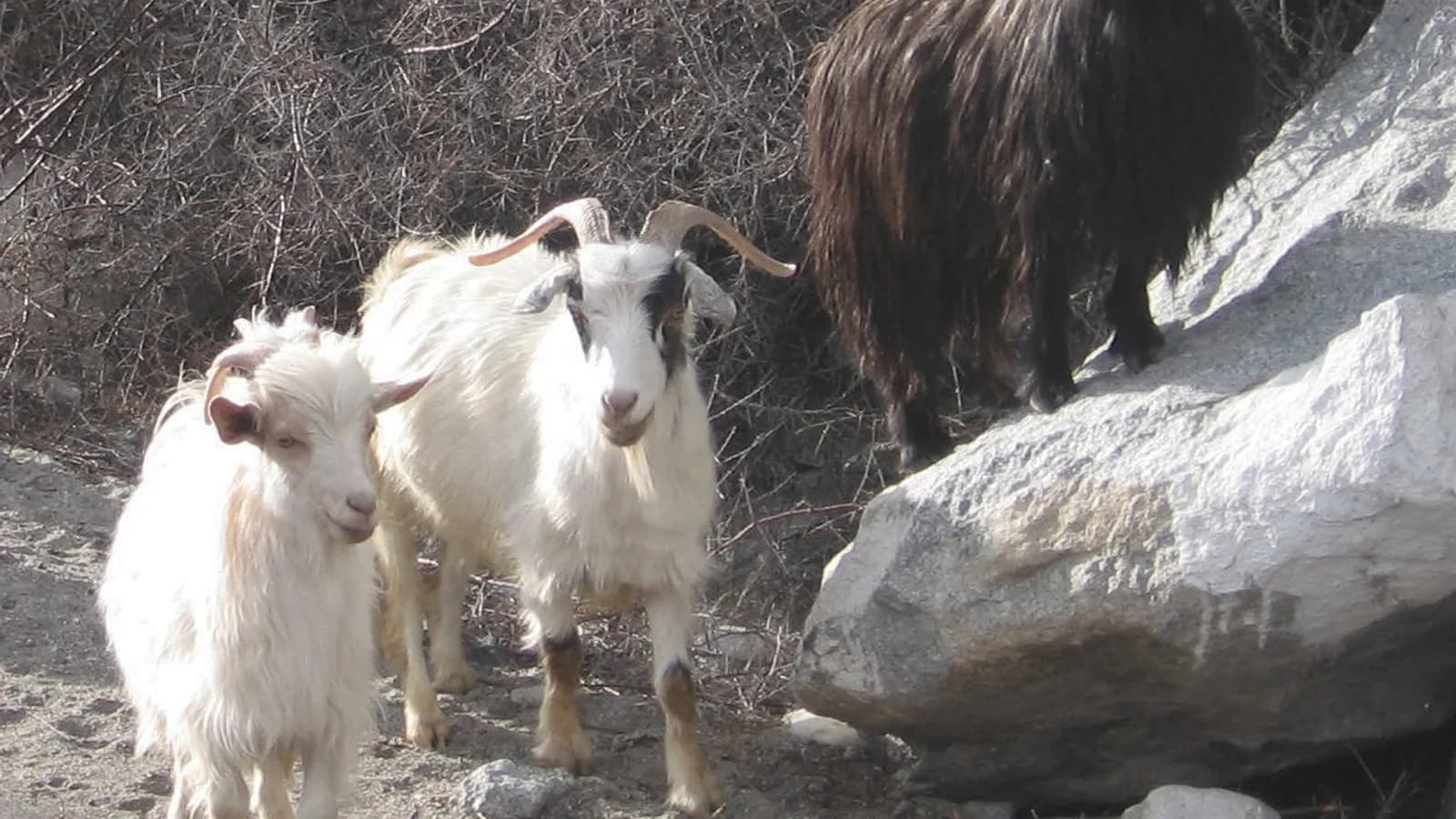
Telling real vs fake pashmina apart is mostly a matter of knowing which tests measure fibre and which only measure thickness. Our main pashmina buying guide for Nepal walks through prices, grades and where to shop in Kathmandu; this companion piece zooms in on the verification science itself — the rub, static, pilling and burn tests that separate animal fibre from rayon, plus exactly what Nepal's Chyangra trademark and its quality standards certify. Treat the buying guide as the canonical reference and this as the lab-bench supplement.
Key takeaways
- Pashmina is a fibre, not a style. Genuine pashmina comes from a Himalayan goat's combed winter undercoat; a "viscose pashmina" is a pashmina-shaped scarf with none of that fibre.
- The decisive on-the-spot test is fire. A burned fringe thread that smells of hair and crumbles to ash is real; one that melts to a hard plastic bead is synthetic.
- Friction is a quiet tell. Real pashmina warms when rubbed and builds no static; acrylic and polyester spark and cling.
- Pilling is normal and reassuring on natural fibre — viscose rarely pills the same way.
- The Chyangra Pashmina trademark encodes hard numbers: fibre no coarser than about 17 microns, a minimum pashmina content, and no harmful AZO dyes.
- Only a lab is conclusive, using electron microscopy or optical analysis to read fibre diameter and composition.
Fibre, not fabric: what "fake" really means
The first trap is treating "pashmina" as a texture. It is not — it is a raw material. Real pashmina is the soft inner down (pashm) combed each spring from high-altitude Himalayan goats, then sorted and hand-spun. A genuine wrap might be 100% pashmina, or an honestly labelled pashmina-and-silk blend.
A fake is something else dressed up in the same word. The most common substitute sold to travellers is viscose rayon — a semi-synthetic made from processed wood pulp. A viscose "pashmina" can be soft, drapey and brilliantly coloured, but it shares none of pashmina's fibre origin, warmth, or durability. Calling it pashmina without qualification is the deception; the scarf itself may be perfectly nice as a cheap accessory.
So the question is never really "is it soft?" — plenty of fakes are soft. The question is "what fibre is this, and was I told the truth about it?"
Pashmina vs cashmere vs viscose at a glance
| Property | Pashmina (fine cashmere) | Standard cashmere | Viscose rayon | |---|---|---|---| | Origin | Himalayan goat undercoat, hand-combed | Goat undercoat, various breeds | Processed wood pulp | | Finish | Soft, matte | Matte | Often shiny, especially in strong light | | Warmth | Very high, warms fast | High | Low | | Pills? | Yes, gently | Yes | Rarely | | Static when rubbed | None | None | Can build static |
The tests that actually work
No single hand test is conclusive, but stacked together they are very reliable. These are the ones with a real physical basis.
The burn test (most decisive)
If a seller will let you sacrifice one thread from the fringe, fire settles the argument without harming the shawl. Touch a flame to the strand:
- Real pashmina behaves like hair: it smells of burning hair and leaves a small amount of fine, crumbly ash you can crush to powder.
- Synthetic shrinks from the flame, smells of burning plastic, and hardens into a small melted bead at the tip.
A confident seller usually allows this; reluctance to part with a single fringe thread is itself informative.
The rub and static test
Briskly rub a section between your palms. Pashmina's natural crimp traps air and generates gentle warmth through friction, with no static. Synthetics like acrylic and polyester behave differently — they tend to build static electricity, can crackle faintly, and may cling to your skin. A cool, slick, sparky feel is a synthetic signature.
The pilling test
Counter-intuitively, pilling is good news. Because pashmina is a natural staple fibre, it pills slightly with wear — and those pills lift away easily with a cashmere comb. Viscose and many synthetics rarely pill the same way, so a wrap that stays flawlessly smooth forever can be a quiet warning sign rather than a mark of quality.
Sheen and the light test
Hold the fabric up to strong light. Genuine pashmina is matte, with light passing through slightly unevenly because the fibres are hand-spun and irregular. Viscose has a distinct sheen or shimmer under strong light, and synthetics often weave perfectly uniformly — too perfect to be hand-made.
Why the ring test fails
The famous "if it slides through a wedding ring, it's real" trick only measures how thin the fabric is, not what it's made of. A flimsy synthetic stole can glide through a ring, while a dense, warm genuine two-ply shawl may not. Use it as a party trick, never as proof.
What the Chyangra trademark certifies
Because the word "pashmina" carries no legal protection, Nepal created a mark that does. The Chyangra Pashmina trademark is administered by the Nepal Pashmina Industries Association (NPIA), and only members who comply with its code of conduct may use the logo. Crucially, the mark is backed by concrete, testable standards rather than vibes.
The standards behind the logo
| Standard | Requirement | |---|---| | Fibre diameter | Should not exceed about 17 microns | | Fibre purity (pure) | Minimum around 97% pashmina fibre | | Fibre purity (blend) | Minimum around 51% pashmina content | | Dyes | Free from harmful AZO dyes | | Verification | Lab-tested composition and durable colourfastness |
These figures come from the NPIA's published certification criteria. The practical upshot for a shopper: a Chyangra-marked piece has, in principle, been held to a fineness and purity threshold that a random "pure pashmina" label never promises. Higher-value items increasingly carry a QR code on the tag so you can verify the registration.
Legal protection like Champagne
Nepal treats Chyangra Pashmina the way France treats Champagne or India treats Darjeeling tea — as a protected origin mark. According to the NPIA, the Chyangra logo was approved in 2011 and has since been registered as a trademark in dozens of countries across the EU, North America, Asia and beyond. In May 2024 the Kathmandu Post reported that an official export guide was launched to promote Chyangra Pashmina internationally (as of May 2024), part of Nepal's push to defend the name abroad.
This is why the trademark, not the word, is the signal worth trusting. Anyone can print "pashmina" on a label; only a compliant NPIA member can lawfully apply the Chyangra mark.
When you want certainty: the laboratory
Every hand test has an escape hatch for a clever counterfeit, so the only fully conclusive answer comes from a textile laboratory. Labs use a scanning electron microscope or optical analysis to:
- measure each fibre's diameter in microns,
- identify the fibre type at a molecular level, and
- quantify the percentage of each fibre in a blended product.
The relevant international benchmark is ISO 17751, the standard method for determining cashmere, wool and other animal-fibre content by microscopy. You will not send a holiday scarf to a lab — but for a high-value purchase, a seller who can produce an independent ISO 17751 test report is offering the strongest possible proof, and one who can explain that this is what real verification looks like has clearly nothing to hide.
A field checklist before you pay
Putting it together, here is the sequence that catches almost every fake without a lab:
- Look — is it matte (good) or shiny under light (suspect viscose)?
- Rub — does it warm gently with no static (good) or spark and cling (synthetic)?
- Ask — will the seller state the exact fibre content in percentages?
- Check the tag — is there a genuine Chyangra Pashmina mark, ideally with a QR code?
- Burn — if allowed, does one fringe thread smell of hair and ash (real) or plastic and bead (fake)?
- Sanity-check the price — implausibly cheap "pure pashmina" almost never is.
Price remains one of your better detectors, and bargaining is part of the ritual in Thamel; our Nepali numbers and bargaining guide gives you the phrases to counter-offer in rupees, which tends to soften an inflated opening price. Before parting with serious cash anywhere, skim our Nepal tourist scams guide for the specific textile and "pure pashmina" tricks, and see the broader what to buy in Nepal overview to put a shawl in context with the country's other crafts.
The bottom line
"Real vs fake pashmina" comes down to one discipline: test the fibre, not the feel. Fire, friction, pilling and sheen each probe a physical property a synthetic cannot fake, and the Chyangra trademark wraps those properties in an enforceable standard. Stack a few of these checks, insist on a plain statement of fibre content, and let the price be a sanity test rather than a temptation — and you will bring home Himalayan cashmere rather than dressed-up rayon. For the full buying picture, prices and shops, return to our pashmina buying guide.
Sources
- Certification — Nepal Pashmina Industries Association
- Chyangra Trademark — Nepal Pashmina Industries Association
- Export guide to promote Chyangra Pashmina launched — Kathmandu Post (May 2024)
- How to Spot a Fake Pashmina Shawl — The Tests That Actually Work — Pure Kashmir
- What Is Viscose Pashmina and How Does It Compare? — Arcus Apparel Group
- How to Identify Genuine Pashmina Shawl: Expert Tests — Diamond Knitland
- Geographical Indication GI Certified Pashmina Shawls — Angela Jey
Frequently asked questions
- What is the single most reliable real vs fake pashmina test I can do in a shop?
- The burn test on one fringe thread is the most decisive on-the-spot check: real animal fibre smells of burning hair and crumbles to soft ash, while synthetic melts, smells of plastic, and leaves a hard bead. Pair it with the rub test and a look at the sheen for confidence.
- Does real pashmina pill, and is pilling a bad sign?
- Real pashmina does pill, and gentle pilling is actually a sign of natural fibre rather than a defect. Viscose and many synthetics rarely pill the same way, so a wrap that never pills at all can be a quiet red flag. Lift pills off with a cashmere comb rather than pulling them.
- How does the rub or static test work?
- Rub a section briskly between your palms: natural pashmina traps air and warms through friction with no static, while acrylic or polyester tends to build static electricity and can crackle or cling. A cool, slick, sparky feel points to a synthetic blend.
- What does the Chyangra Pashmina trademark actually certify?
- It certifies that a product meets the Nepal Pashmina Industries Association standards: pashmina fibre no coarser than about 17 microns, a minimum pashmina content, no harmful AZO dyes, and lab-tested composition. Only NPIA members complying with the code of conduct may use the mark.
- Is Chyangra Pashmina legally protected like Champagne or Darjeeling tea?
- Yes in spirit. Nepal protects Chyangra Pashmina as a geographical-indication-style mark and has registered it as a trademark in dozens of countries, a protection model comparable to Champagne or Darjeeling tea. The word pashmina alone has no such protection.
- Is a pashmina-silk or viscose blend a fake?
- A disclosed pashmina-silk blend is legitimate and popular; it is only deceptive if sold as pure. Viscose rayon is different: a viscose pashmina is a pashmina-style scarf with none of the goat fibre, so calling it pashmina without qualification is misleading even if the scarf itself is pleasant.
- Can the ring test prove a pashmina is real?
- No. The ring test only measures how thin the fabric is, so a flimsy synthetic can slip through a ring while a dense genuine two-ply shawl may not. Use it as a curiosity at most, never as proof of fibre content.
- How does a laboratory tell real pashmina from fake?
- Independent textile labs use scanning electron microscopes or optical analysis to measure fibre diameter in microns, identify each fibre at a molecular level, and quantify the percentage of each fibre in a blend, following standards such as ISO 17751. That is the only fully conclusive method.
Related posts
Pashmina Nepal: Real vs Fake Buying Guide (2026)
How to buy real pashmina in Nepal — spot fakes, read the Chyangra trademark, understand grades and ply, and know what a genuine shawl actually costs.
Read postWhere to Buy Pashmina in Nepal: A Shopper's Map
Where to buy pashmina in Nepal — the best markets, fair-trade shops, certified emporiums and online options, plus how to avoid the airport markup.
Read postWhat to Buy in Nepal: Souvenirs & Where to Shop 2026
The best things to buy in Nepal — pashmina, singing bowls, khukuri, thangka and more — how to spot fakes, where to shop, and the export rules to know.
Read post